3 mins

A story about my dad and PPC ads

Ads

My dad runs a small study skills company in the UK.

It's an old-school business. Up until last year, the only marketing he's ever done was sending flyers to schools. But, over time, flyers had stopped working so well, so he started thinking about running digital ads.

One of his friends was raving about Facebook. So he began recording testimonials with teachers and putting them out as Facebook ads:

The return was awful. But it didn't deter him. He started watching YouTube videos, signing up for webinars, and even bought an online course.

Two months later he got his first sale. The ads still weren't close to being cost-effective.

Marketing Examples Product Hunt

Dad remained adamant Facebook would come good. Every time I called he would tell me about another idea for a new campaign:

I've got the pixel firing... We need a lookalike audience... It's all about the relevancy score...

Now, my dad is 58 years old. He has an old brick for a phone and thinks “emojis” are a Caribbean fruit. It was inspiring seeing him so far out his comfort zone, but I can't say I agreed with his approach.

“How do you know Facebook is the best way of getting in front of teachers?” I asked.

“What do you mean?”

“Well, you haven't tried any other platforms. So how do you know Facebook is this holy grail?”

To Dad's credit, he took my point onboard. He got stuck into Twitter ads, Google ads, and even sponsored a teacher's conference.

Marketing Examples Product Hunt

The Google ads bombed. His first attempt on Twitter performed better than six months of “perfecting” on Facebook. But, the conference was the real success. In just one day it pulled in more than a month's revenue.

Big up yourself, Dad.

The moral of the story

A little knowledge is a dangerous thing.

Any marketer tied to one idea will spend six months going from “A” to “B”. Only the one who assumes nothing finds “X“, “Y“ and “Z“.

The foolproof approach is to assume you're a fool.

Marketing Examples Product Hunt

Try lots of quick experiments with different platforms. The pattern to replicate is:

- - - - - | - - - - | - | - - - -

where a dash represents a small loss and a straight line a new discovery. Then, when you find what works, hone it.

And finally

When running ads you want to make sure you're measuring conversions, not clicks. Clicks are noise. Conversions are signal.

Facebook would consistently drive the cheapest clicks to my dad's site. But it wasn’t the right type of “click”. None of them were interested in buying.

* This article is a good intro to conversion tracking in Google Analytics.

** A simple proxy for conversions is “session duration”. If most of your traffic is bouncing after a few seconds it’s probably the wrong type of traffic.

2 min

Adobe's Perfect TikTok

Ads

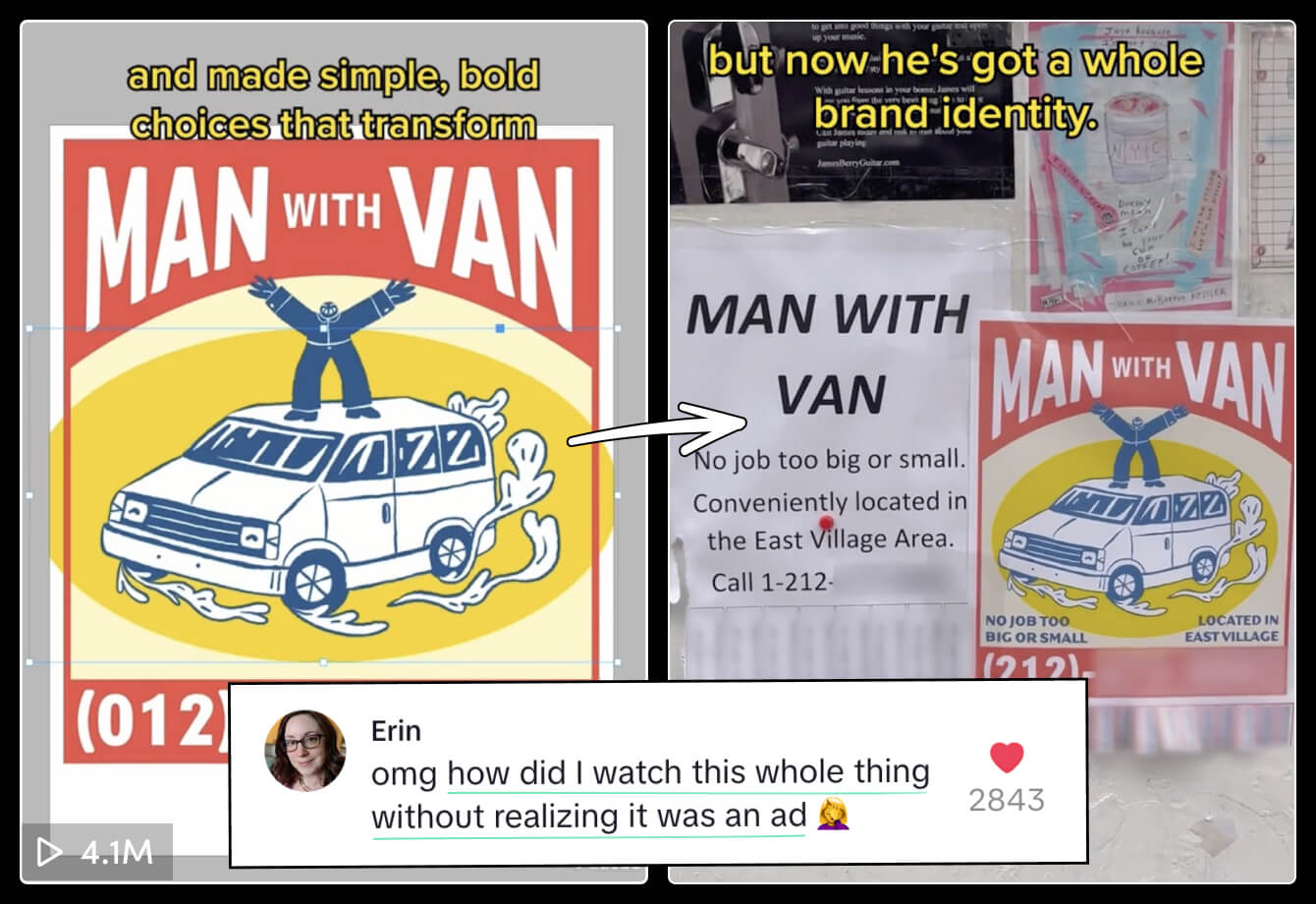
Brand Storytelling 101. You're the guide, not the hero.

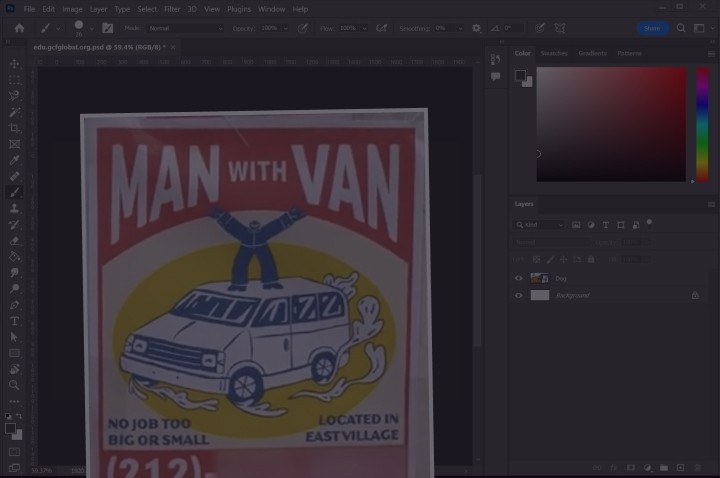
No-one watches TikTok for brand self-adultation. What's the coolest thing you can do with Photoshop, without mentioning Photoshop?

“Redesigning signs in New York without anyone asking me to”

Adobe Redesigning Posters TikTok Marketing

4.2M views

Story first, product second. That's the recipe. Anyone can do it. Here's three more I wrote. Nothing fancy. Just A to B.

• “Day 42 learning Mandarin so I can chat with my Grandma” - Duolingo

• “From stay-at-home dad to software engineer at Apple” - Udemy

• “Me and the guy I met on Club Penguin 9 years ago just married!”

Credit to Jack's social strategy newsletter where I saw this :)

— Harry

1 min

An influencer ad that doesn't SUCK

Ads

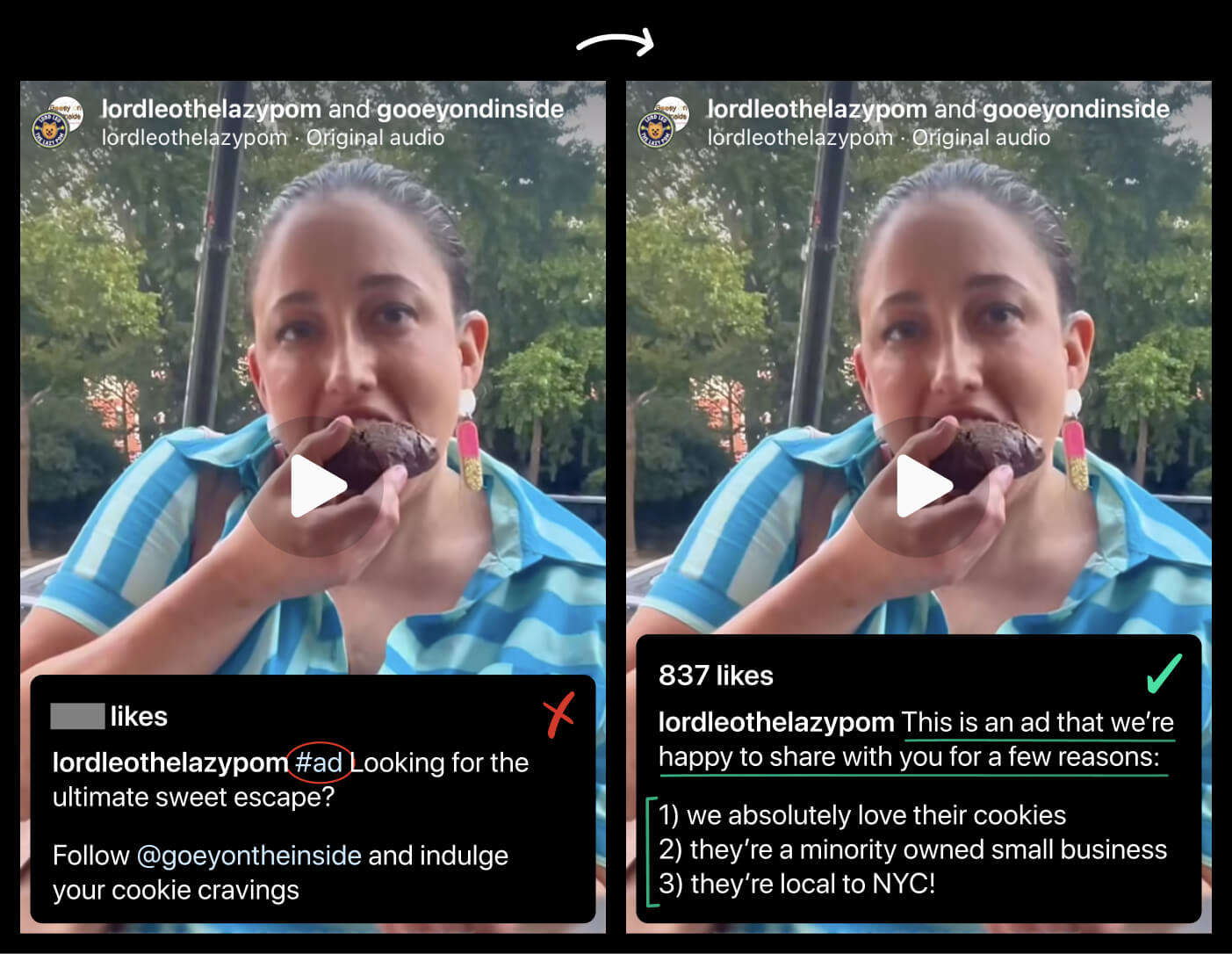
Nothing says INGORE ME quite like “#ad”.

It's lazy, it's ugly, somehow it's the norm.

Don't hashtag it, own it.

Integrated ad

See the ad

— Harry

1 min

Apple’s “Shot on iPhone” campaign

Ads

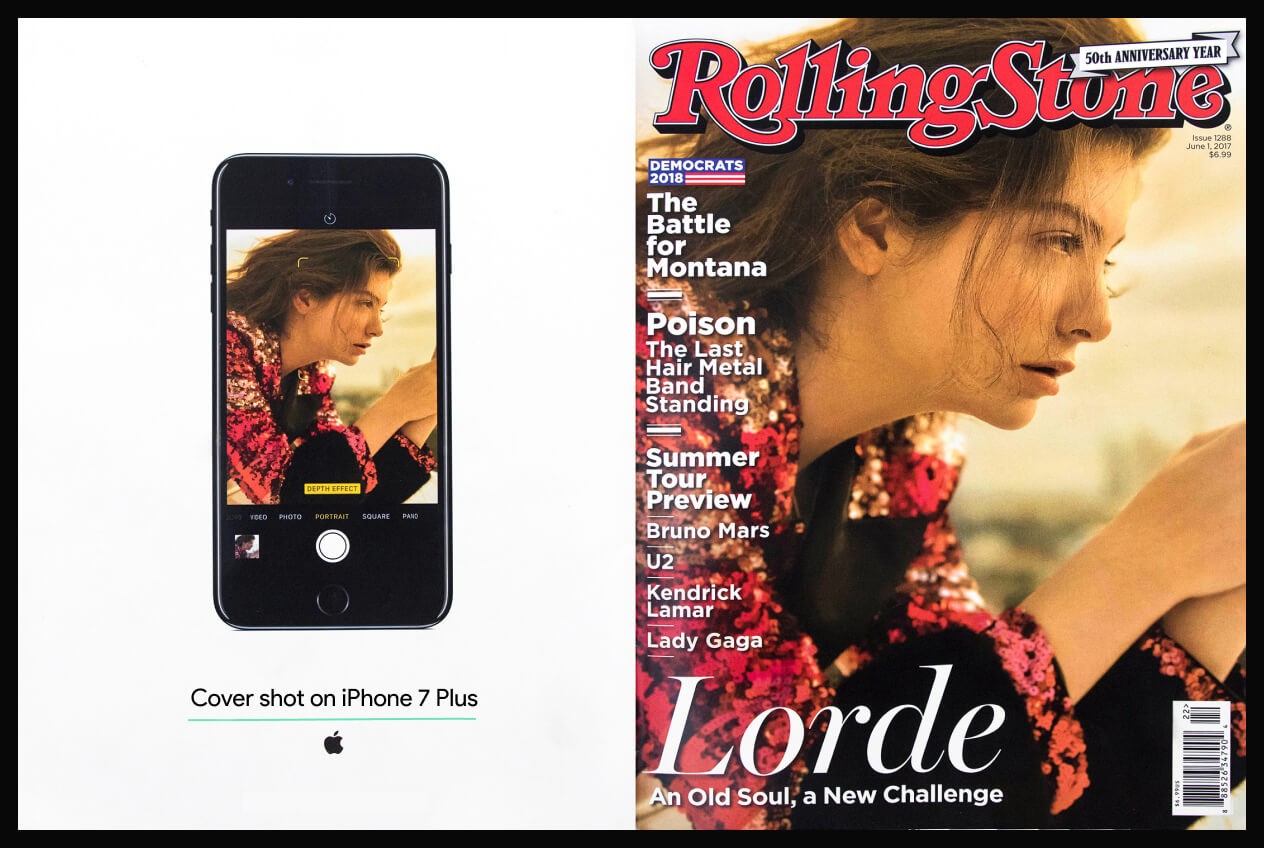
I must have seen 100 Samsung ads last year. I don’t remember any of them. Too much boring information.

Shot on iPhone is three words, no information. It doesn't dwell on features. Instead, it brings to life the outcome.

And it’s believable. REAL photos from regular people. If Liz from Vacaville can do it so can I.

• Sell outcomes, not features

• Narrow your focus

• Nothing is more believable than real customers

Marketing Examples Product Hunt

* * *

Thanks for reading. If you liked this you might like my guide to Real Marketing.

— Harry

1 min

How a creative Google ad got an investor's attention

Ads

Tadabase is a no-code startup looking to raise money.

Their CEO, Moe Levine, was a fan of investor Mark Suster. So he set up some Google ads targeting Suster’s name, reminding him that he's yet to invest in no-code startups:

Mark Suster Tadabase Ad

Levine had read that Suster used Google Alerts to track mentions of his own name. So in theory he'd see the ad.

As it happened, Product Hunt's founder, Ryan Hoover, beat him to it:

Suster saw Hoover's tweet and immediately contacted Levine to set up a call.

Creative marketing is underrated

I'm sure Levine could have tracked down Suster's email. But then he'd be one of a hundred other emails sitting in his inbox.

The extra effort Levine took signalled he was someone worth talking to.

He skipped the queue. And was also rewarded with a write up in TechCrunch.

Support

If you enjoyed the article and would like more Marketing Examples in your inbox joining the email list is appreciated.

20 secs

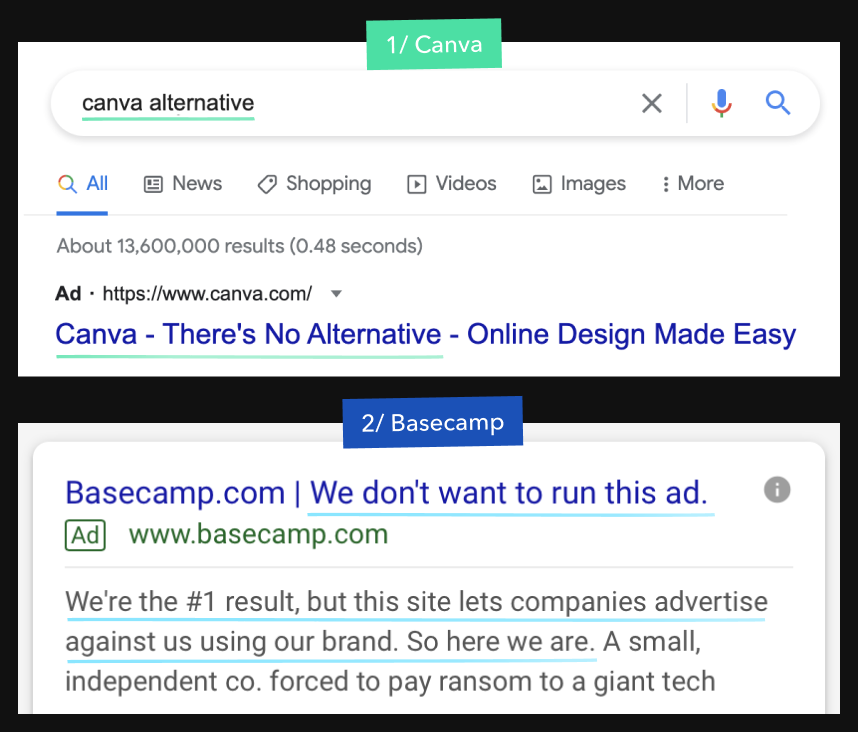
How to stop a competitor leeching off your brand name

Ads

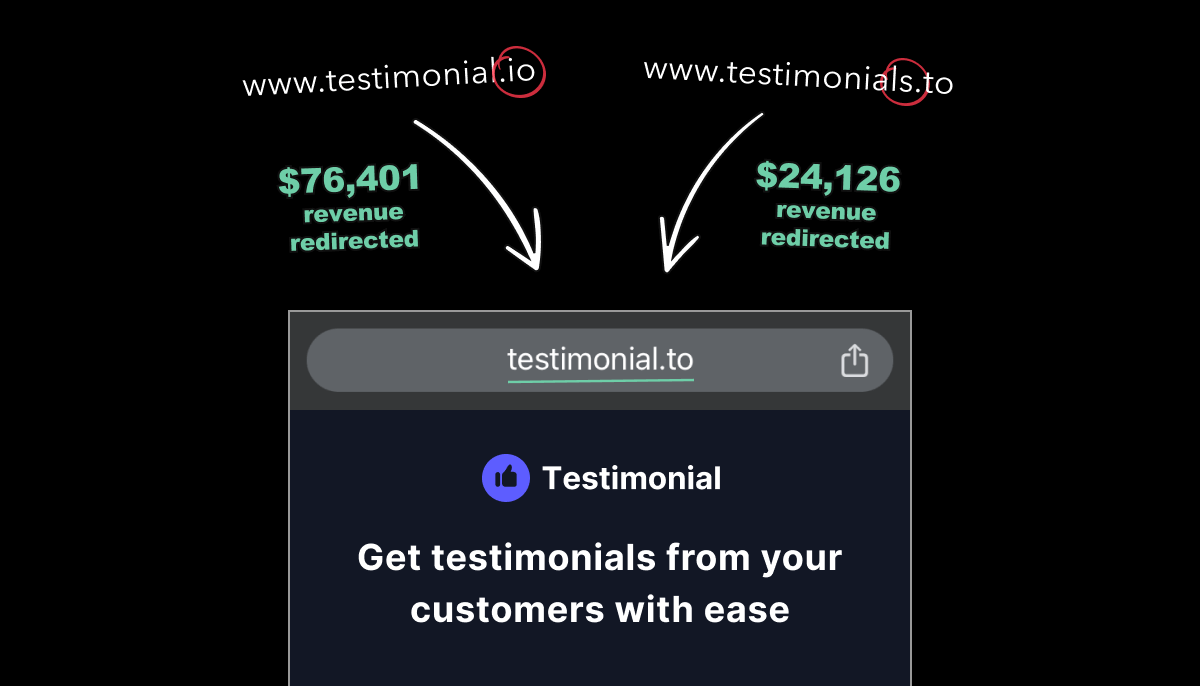
No explanation needed.

Google Ads

— Harry

4 mins

My favourite low-budget viral ads

Ads

30 years ago, to get millions of views you needed a Super Bowl budget. Today all you need is a phone and an idea.

Grab a cup of tea, enjoy the ads, and afterwards we’ll discuss what connects them:

1) Alamo's angry voicemail — 5M views

Back in 2011, a customer left an angry voicemail after being kicked out of an Alamo cinema. Alamo turned the voicemail into an ad and started playing it in all their theatres:

Movie go-ers found it hilarious. Soon the ad made national news.

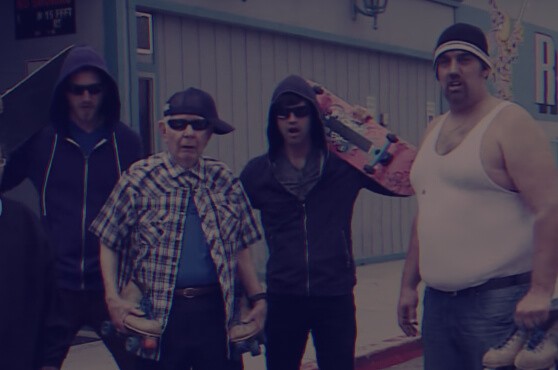
2) Say NO to Crack, Say YES! to Roller Skating — 13M views

Comedians, Rhett and Link, teamed up with Roller Kingdom in Reno to produce this gem:

The video went viral on Twitter after being shared by Complex News and Andy Richter.

3) Flea Market Montgomery — 12M views

Back in 2006, Sammy Stephens recorded a song to promote his flea market in Montgomery, Alabama.

Local DJs started playing the song and before Sammy knew it he was on The Ellen Show:

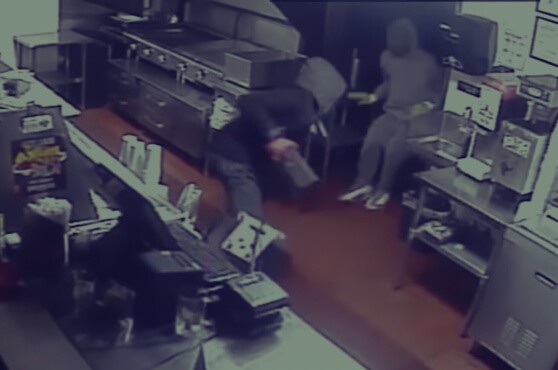
4) Burglars just want Tacos — 5M views

On the 16th December 2015, Frijoles & Frescas Tacos was robbed. The next day store manager, Greg Carlson, released the security footage.

Except he added captions which turned the burglary into a story about the thieves just wanting tacos:

5) Our Blades Are F***ing Great — 27M views

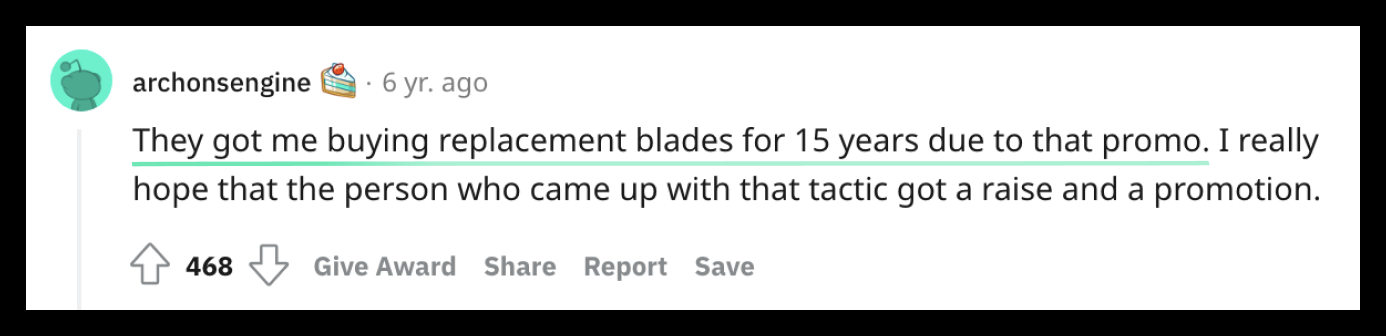
You knew it was coming. The OG low-budget viral video cost $4,500 and was shot in 7 hours:

Dollar Shave Club raised a seed round a month before shooting the video. Cleverly, they delayed the announcement.

This meant when startup media wrote about their funding, they all linked to the launch video which came out the same day. Smart.

6) Furkids Kitty Kommercial — 6M views

Furkids volunteer, Helen, invited her brother Paul to the pet shelter. Paul improvised with the cats for 30 minutes and produced this masterpiece:

The video hit the front page of Reddit and was all over national media overnight:

* * *

Whilst preparing the article I played each video for my brother. The first thing he said:

None of these ads make it through meetings

And he's right. These ads are the product of an individual's vision.

Another common thread is humour. There is nothing special about flea markets, razor blades, or roller skating. The product is unimportant. People share what makes them laugh.

To quote Howard Gossage, “Nobody watches ads. People watch what entertains them. Sometimes it's an ad”.

And finally, each ad embraces its amateurishness.

Fancy cameras, professional actors, and film degrees can be a hindrance. There is something charming about the novice. We celebrate the Sammy Stephens of the world.

1 min

My new favourite agency ad

Ads

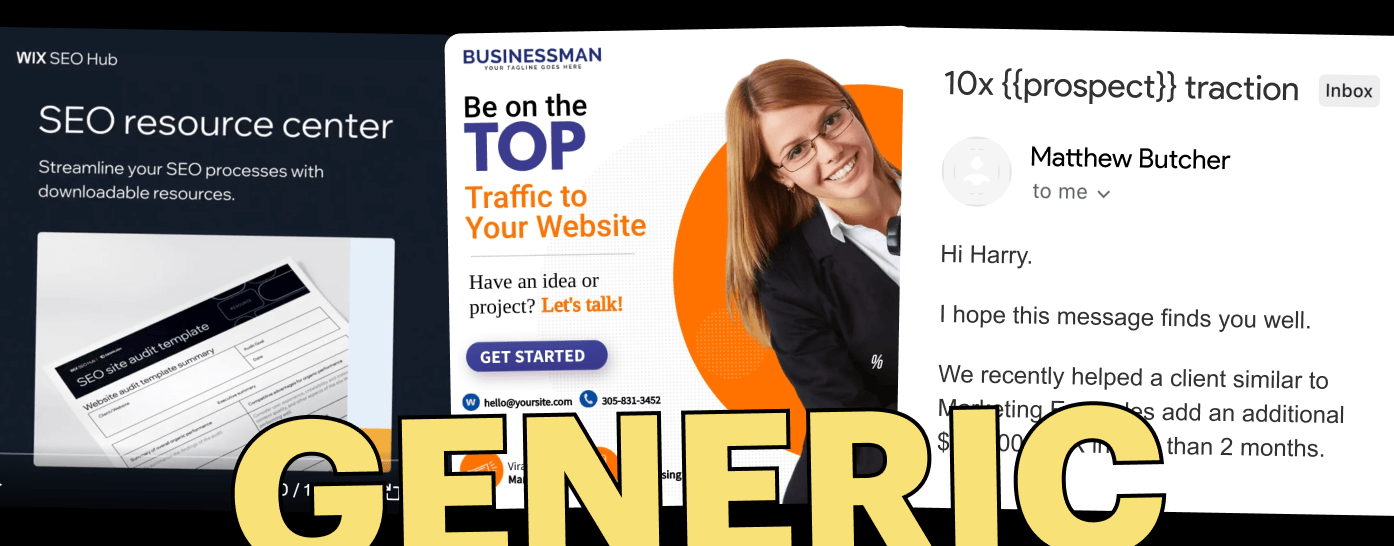
Most agency marketing looks something like this.

Generic SEO ads

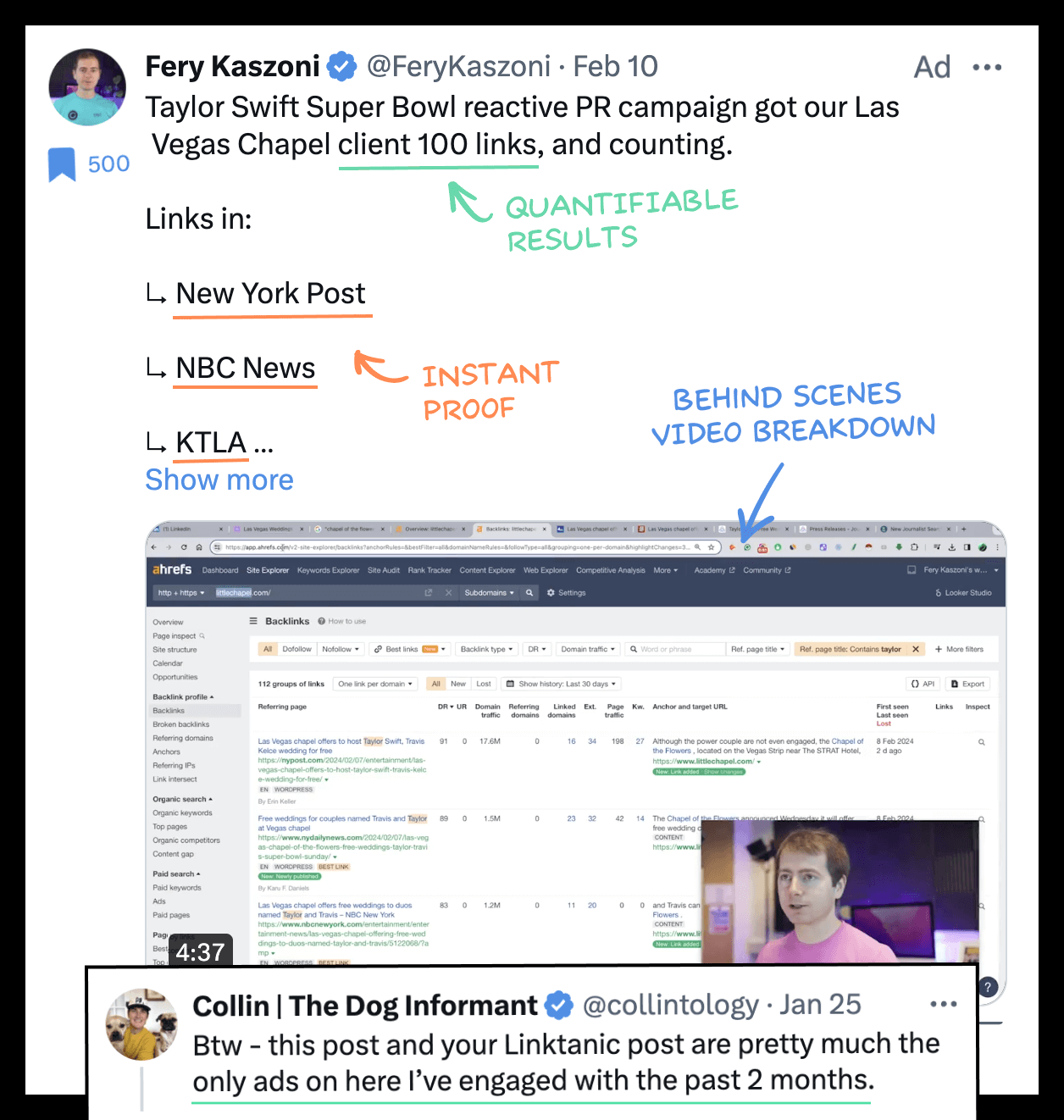
Search Intelligence's strategy is a little simpler.

1. Do great work

2. Share how you did it

3. Run as ad on founder’s personal account

Search Intelligence ads

[1] [2]

Straight up steak on a plate. Who'd you want to work with?

An avatar in your inbox promising “qUaLitY LeAdS” or a founder giving a step-by-step breakdown of a 100 link client campaign in one take.

Fery tells me revenue is $2.7M up on last year. Probably coincidental.

— Harry

30 secs

Neiman's magazine ads

Ads

I've been chatting to the owner of a decorative concrete company.

Each month they pay $600/mo for an ad in a local magazine that gets sent to 7000 wealthy homes in Georgia. Last 3 months they've made $75,000 from these ads.

Don't complicate marketing. Fish where the fish are.

Neiman Concrete magazine ads
1 min

Signal's Instagram Ads

Ads

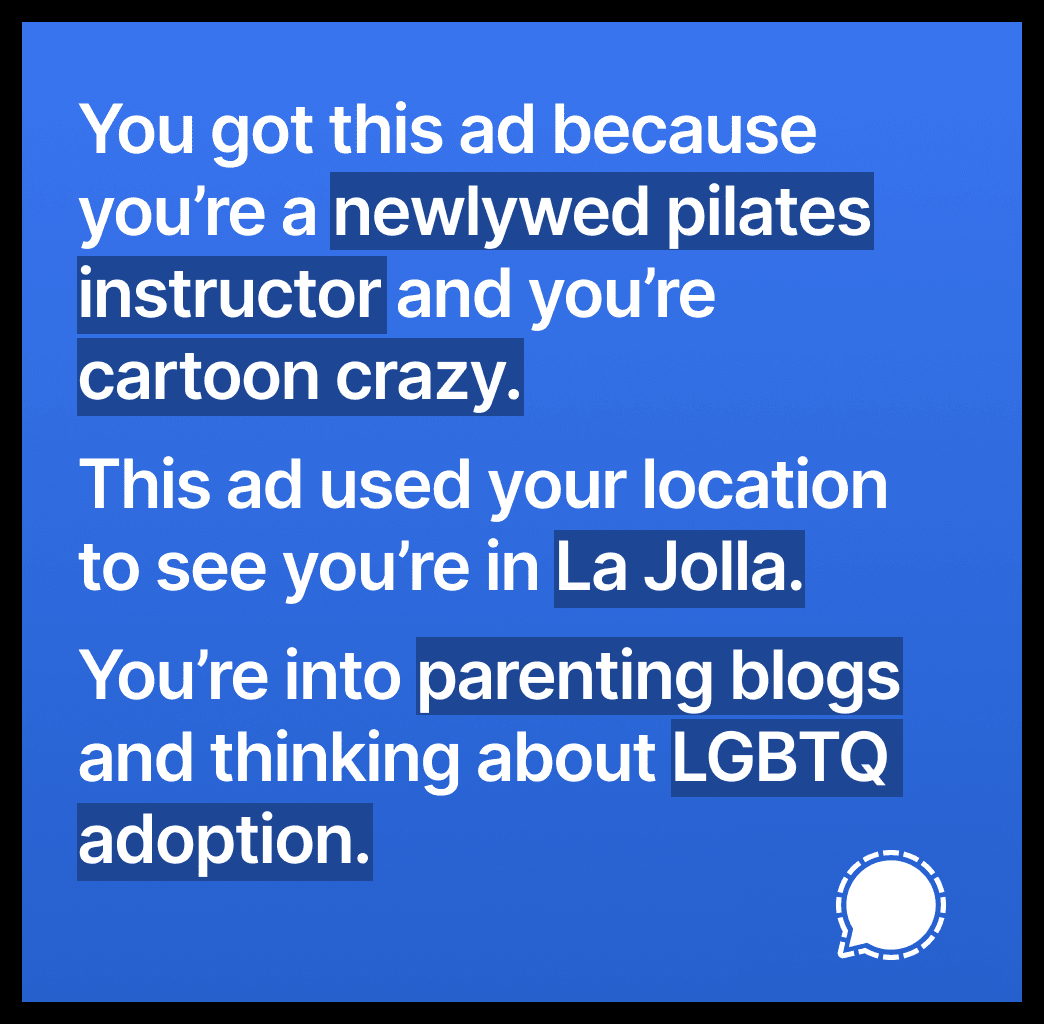
Signal is a private messenger app.

May 2021. They made Instagram ads to show all the personal data that Facebook sells about you. Facebook banned them. Signal replied with a viral blog post.

Notion's Evernote comparison page

This is a great example of how to pick a fight with the status-quo.

An enemy gives you a story, a wedge, a reason to exist. It gets people off the fence. It gets you noticed. Conflict creates interest.

Thanks for reading — Harry

2 mins

The chocolate that goes viral every day

Ads

Tabs makes “sex chocolate”. Last month they sold half a million worth.

Oliver is the founder. A 21-year-old college kid from New York. I spoke to him on Friday. And there's one thing Tabs do ridiculously well:

Short-form vertical video.

They have several hundred videos with one million views. Oliver tells me the only secret is sheer output.

“No one knows what the algo is going to like. So don't look for the needle in the haystack. Cop the whole haystack, you'll get the needle.”

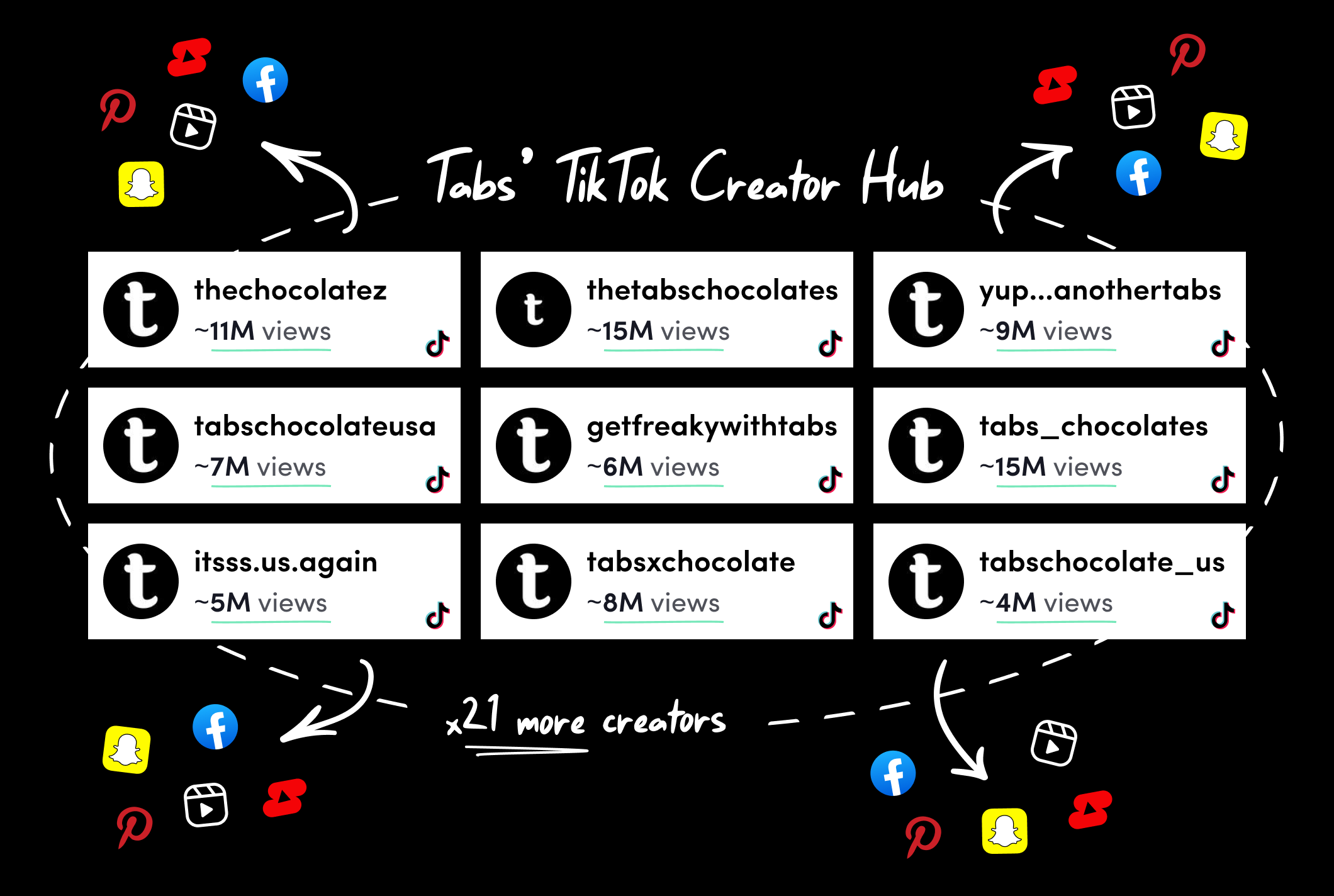
Oliver’s got thirty creators on retainer. Each with different Tabs accounts. Each making 1-3 videos / day which get reposted as Shorts, Pins, Reels, etc.

Every day one-hundred Tabs videos hit different pockets of the web. It’s a Walter White-scale operation. And it works.

One viral video is luck. One-hundred is design.

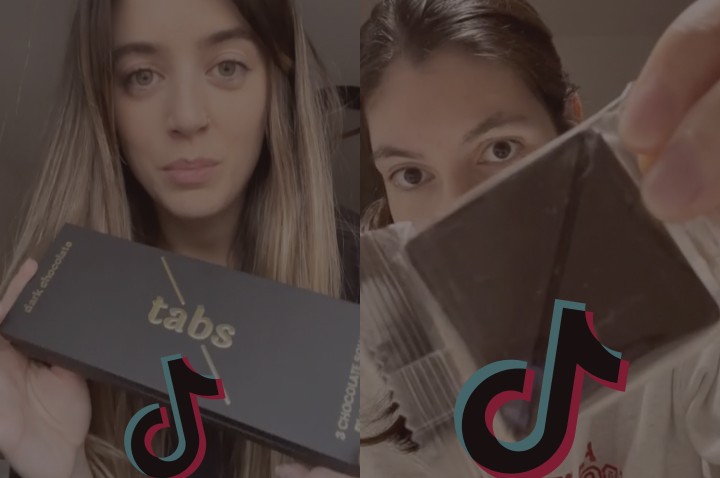
Tabs Chocolate TikTok Marketing

What about the actual videos?

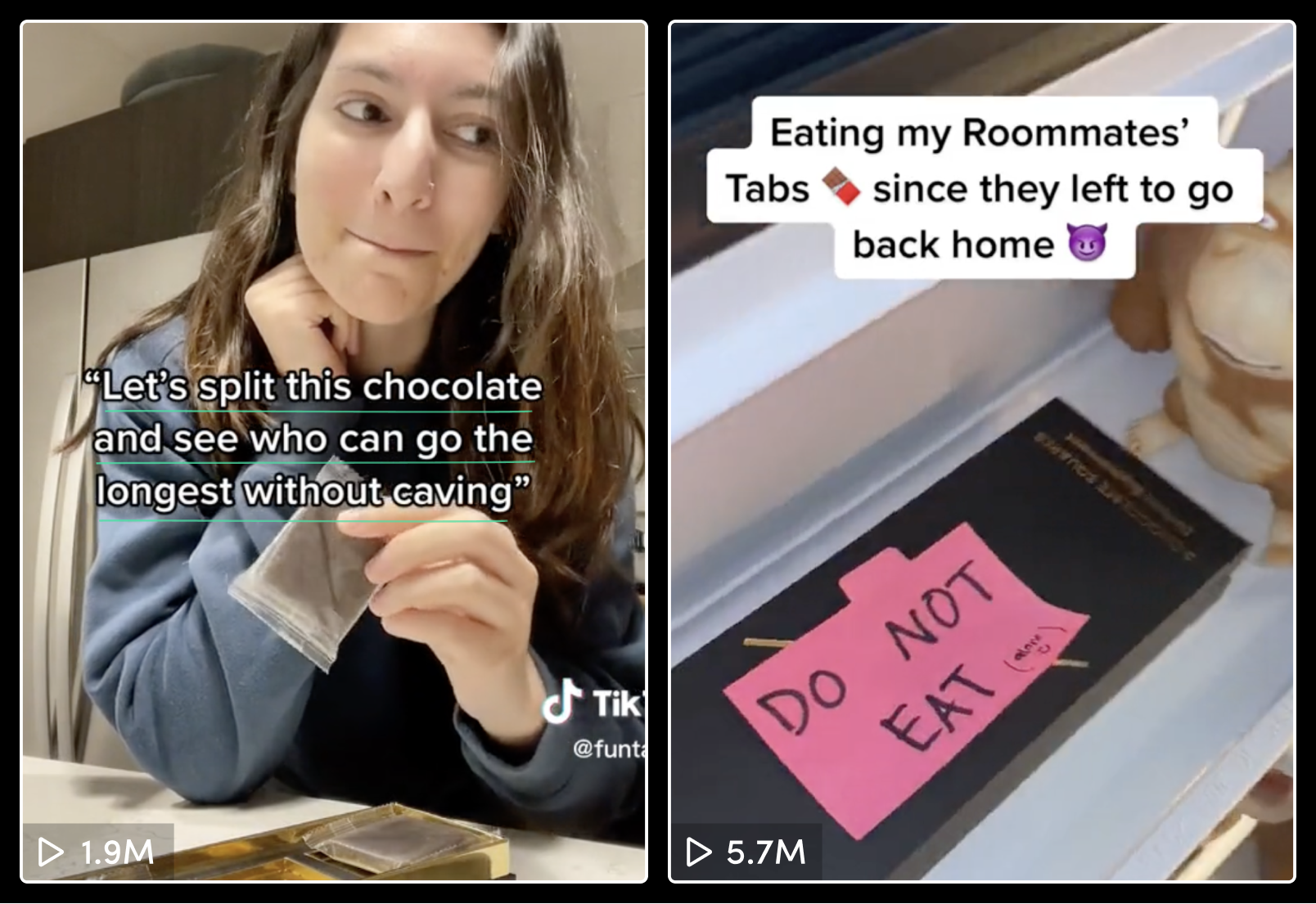
Well, they're ten seconds long, made by actual TikTokers, and crucially look nothing like ads. No CTAs, no big logo. The goal is curiosity, not clarity.

“Let em feel like they discover us, not the other way around.”

Tabs Chocolate Viral TikToks

[1] [2]

If I met Oliver two years ago I'd have put on my silly little “expert” hat and told him:

Grow one brand account. Run PPC ads. Add a clearer CTA.

Well, he's done precisely the opposite of all that: hundreds of brand accounts, UGC content, no CTAs.

As I end this story I remind myself — What do I know!

Off the back of Tabs' success Oliver's set up a TikTok agency that helps brands go viral. If you're intrigued do message him on Twitter (also an good follow).

Thanks for reading — Harry

1 min

The most upvoted Reddit ad ever

Ads

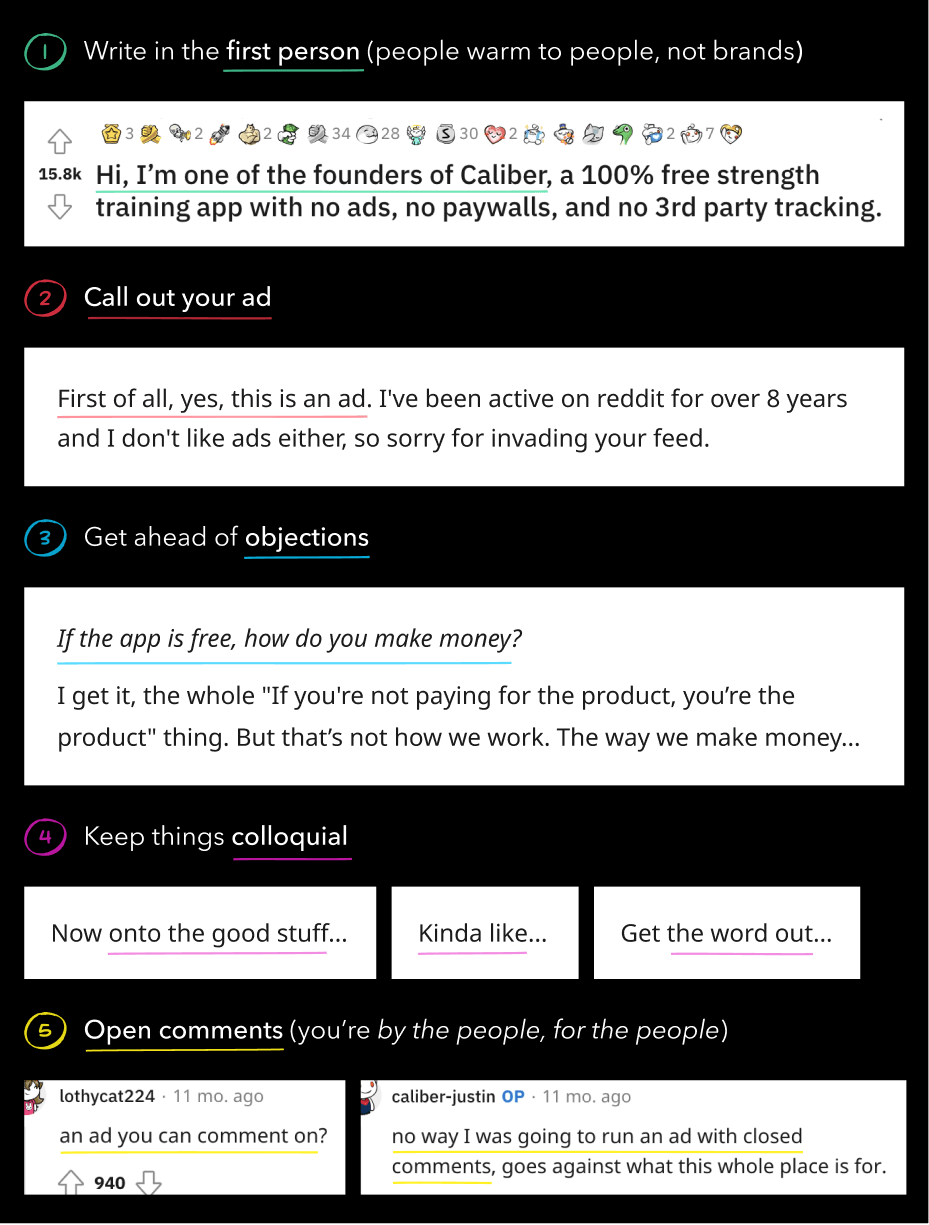
Five lessons. Read the full ad in all it's glory.

The most upvoted Reddit ad of all time

Credit Scrapbook where I saw this

— Harry

1 min

What to do if Joe Rogan recommends your product?

Ads

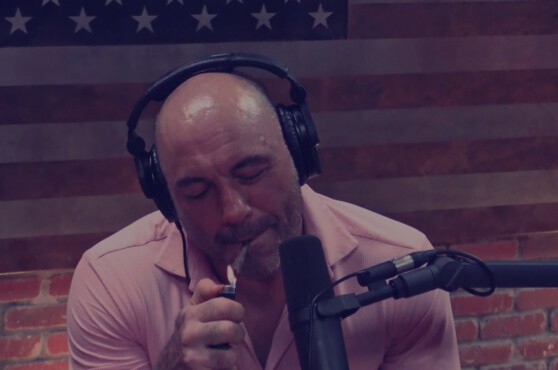
Q. What do you do if Joe Rogan recommends your product?

A. Edit the footage into a video and run ads targeting Joe Rogan’s audience.

Why does it work?

Well, if you're a fan of Joe Rogan this doesn’t feel like an ad. People watch his videos for fun. So, you get the reach of an ad whilst maintaining the engagement of a regular post.

Secondly, the social proof is off the chart. Joe's not being paid to say any of this. And that makes a huge difference.

And finally, there's a retargeting benefit. I imagine a lot of people seeing the ad remember Joe talking about the Iron Neck on a previous podcast. But perhaps they were out running or about to go to bed. Only in seeing it on Instagram the next morning are they’re reminded to check it out:

Oh, this is the thing Joe was on about …

Support

Thanks to George Mack for telling me all about this one.

If you liked this article and want to learn from more real world examples joining the email list below is really appreciated. You can also follow on Twitter.

30 secs

“Make Ugly Ads”

Ads

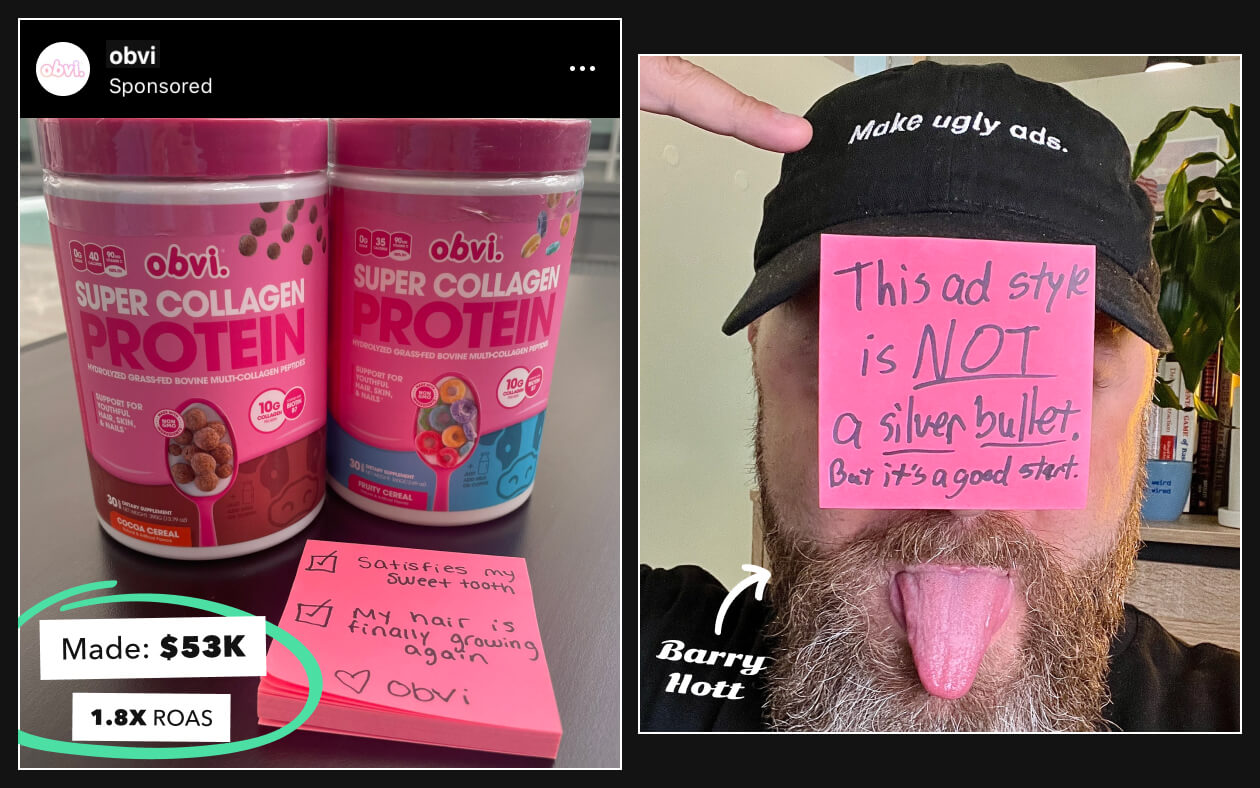
• Less polished, more authentic

• Can test ten in an afternoon

• $50K return on a “Post-it”

Make Ugly Ads

Cc: “Ugly Ad” forefounder Barry Hott & Ash for the numbers.

— Harry

30 secs

AG1's welcome offer is idiot-proof

Brand

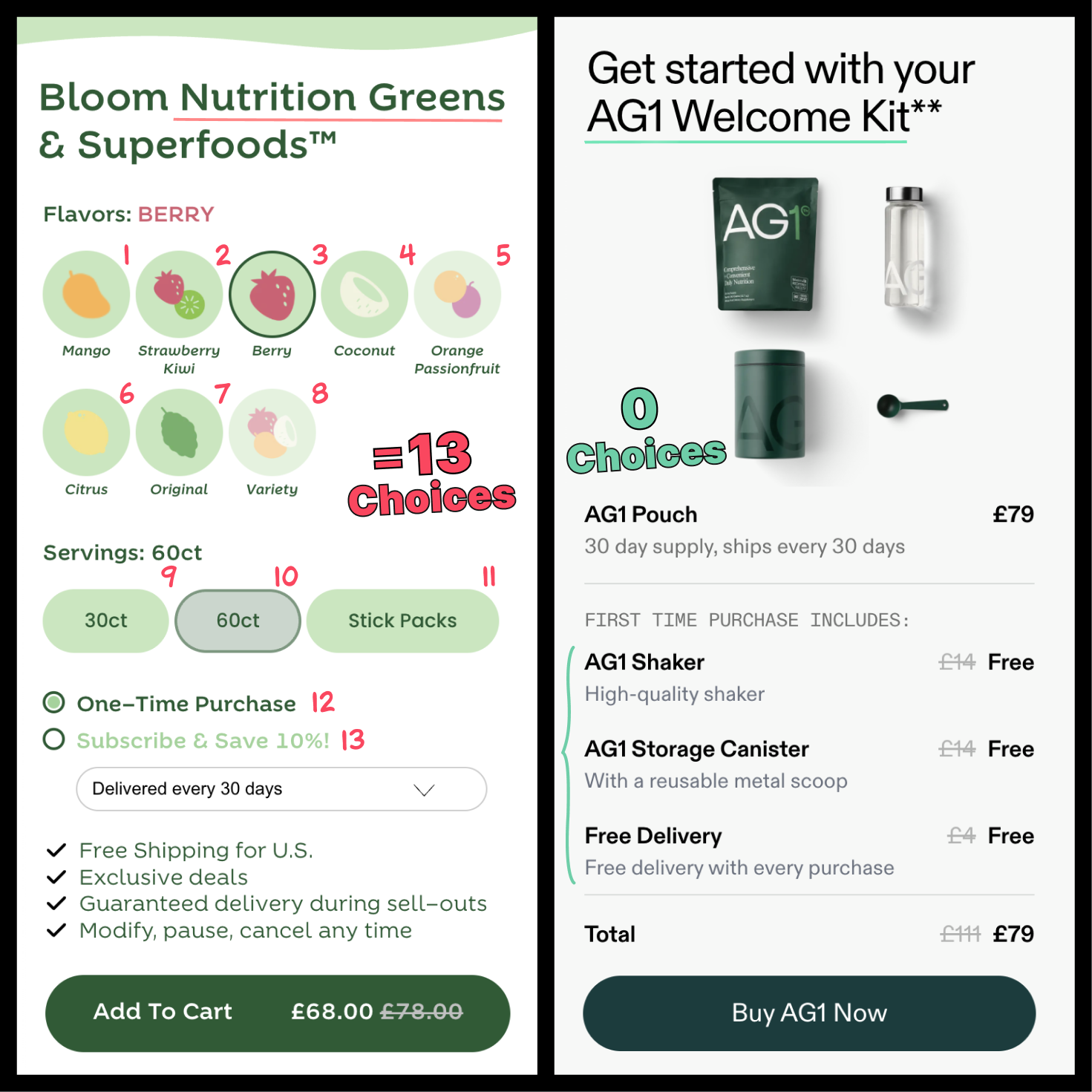
There’s ONE way to buy Athletic Greens.

You go on their homepage, you buy the welcome kit. Free shaker, free scooper, free delivery. Everything you need. One button to press. Idiot proof.

But options are harmless, right? You'd rather a choice.

Athletic Greens Marketing

Let me remind you of Trout & Reis's first immutable law of branding.

“The power of your brand is inversely proportional to its scope.”

Imagine AG1 mango. Or strawberry kiwi. Different sizes. Stick packs. “Let's make a bar”. Now it's just another nutrition company.

But when Huberman et al. say “Drink AG1” it sticks. Don't make me think.

Thanks for reading — Harry

3 mins

Becoming an antifragile brand

Brand

Lewis Capaldi

Last month Oasis legend Noel Gallagher decided to take a pop at up and coming music star Lewis Capaldi:

Music is f*****g w**k at the moment. Whose this Capaldi fella? Who the f****s that idiot!

Capaldi’s response was nothing short of brilliant. Performing at Glastonbury he walked out to the video of Noel Gallagher’s criticism, dressed in a bucket hat and parka (a classic Gallagher outfit), before dedicating his performance to Noel at the end.

Capaldi’s entrance went viral. It got his name all over the press and social media and won him lots of new fans.

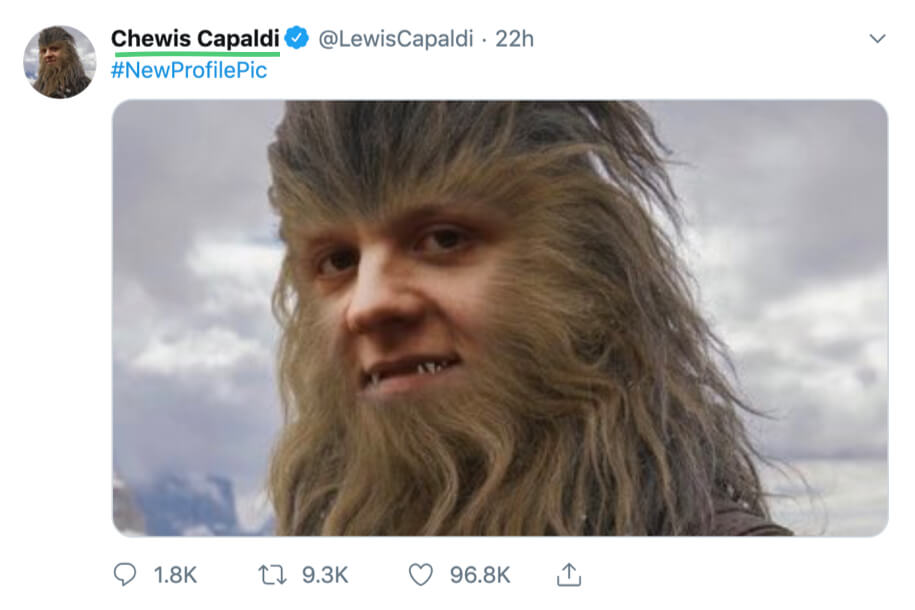
Gallagher responded by calling Capalidi, F***ing Chewbacca. Capaldi countered by changing his Twitter photo to Chewbacca and his name to Chewis Capaldi. He was running rings around him.

Tweet Photo Before and After

Gallagher's words were designed to do damage. But Capaldi took ownership of them. He wore them as a badge of honor. And in doing so he became antifragile. The more you messed with him the stronger he got.

Understanding Antifragility

In plain language, antifragility is the opposite of fragility.

If you mess with something fragile you do damage. If you mess with something antifragile you make it stronger. Take golf as an example. The fragile golfer loathes the wind. The antifragile golfer uses it to their advantage.

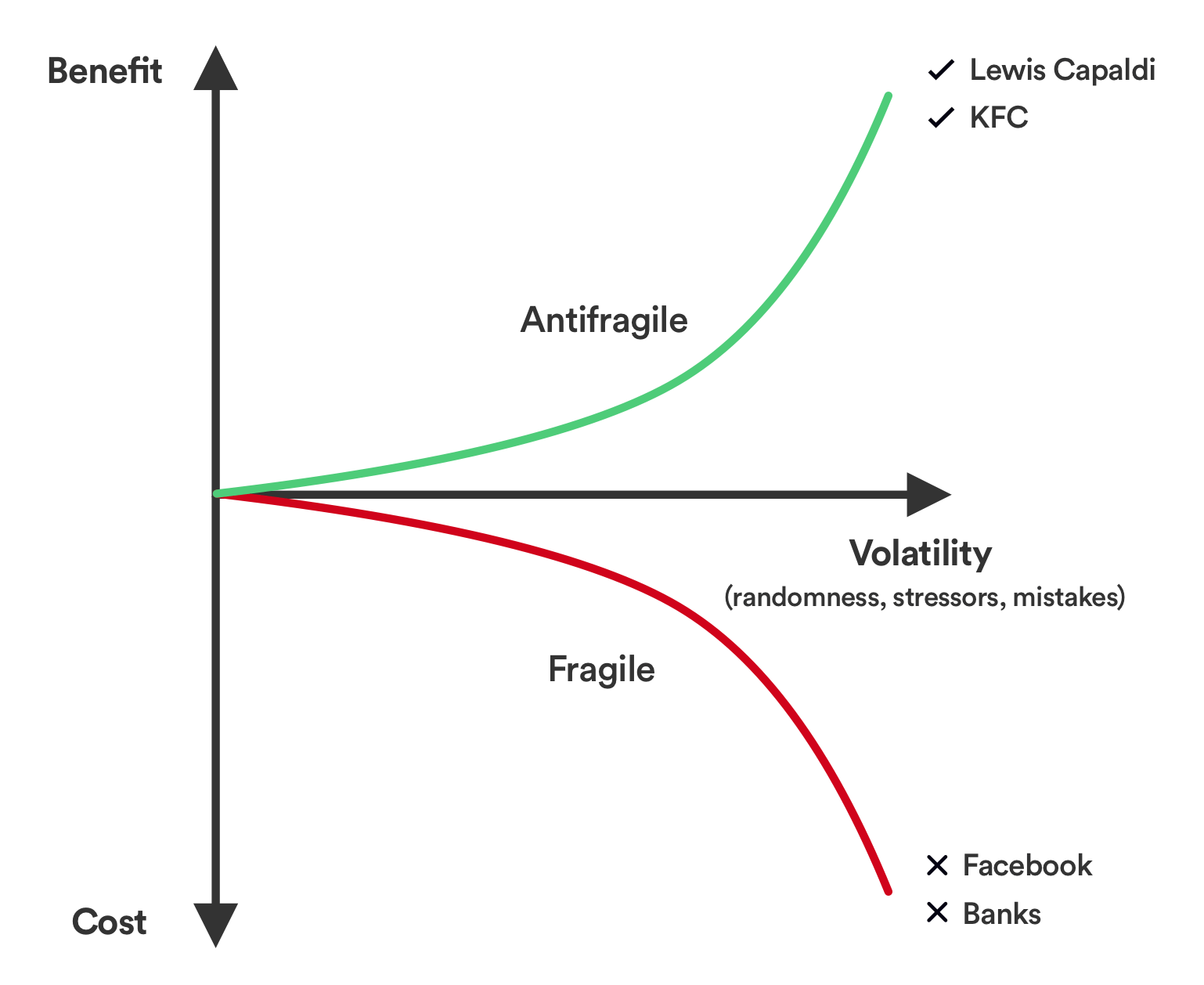
And it’s the same with brands. The majority of brands are fragile. Increases in volatility (randomness, stressors, mistakes) are a PR departments worst nightmare. Just look at Facebook’s share price in 2018.

Fragile / Antifragile graph

But occasionally, just like Lewis Capaldi or the skilled golfer playing in the wind, brands can actually benefit from increases in randomness, stressors or mistakes.

KFC

Last year KFC ran out of chicken and were forced to temporarily close 700 UK branches. For the majority of companies, such a monumental fuck up would be a complete disaster. The default response is to issue a formal apology:

We’re launching a full and frank internal inquiry Bla Bla Bla …

But this is fragile. It only ever adds fuel to the fire. Fortunately, KFC’s PR team intuitively grasped antifragility.

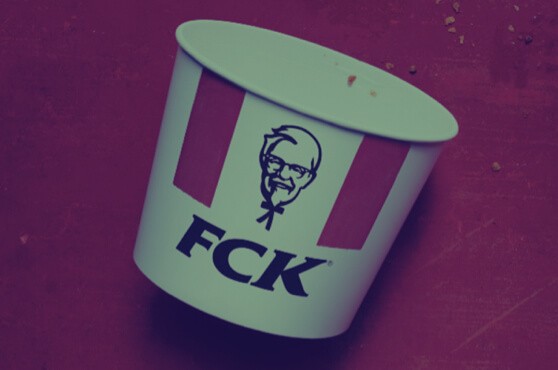
Instead, they took out a full-page ad in UK newspapers, showing an empty bucket of chicken, and the letters of their famous logo rearranged to read “FCK”.

KFC ran out of chicken ad

People started to see the funny side and just like that, an impending disaster was spun into a positive PR story. That's antifragility.

Becoming Antifragile

The key is ownership. You either own the story or you let the story own you. And as we've seen through this article the best route to taking ownership is:

1. Embracing your flaws

2. Not taking yourself too seriously

For example:

You will never get bullied for having a big nose if you walk around with a t-shirt saying, “I’ve got a big nose”.

This is Eminem's rap battle theory: you say everything about yourself before somebody else does.

And then you're antifragile. Nothing anyone says can hurt you.

Nassim Taleb

If you'd like to learn more about antifragility, the concept was developed by the great Nassim Taleb and his book, Antifragile, is the place to start.

1 min

CD Baby's confirmation email

Brand

I’m sure a few of you have heard this story. But it’s worth telling again for those who haven’t.

Back in 1998, when Derek Sivers started CD Baby, their order confirmation email was the regular: “Your order has shipped today. Thank you for your business.”

But for Derek, this generic email felt at odds with CD Baby’s mission of putting smiles on faces. So he spent 20 minutes writing up the following:

CD Baby Confirmation Email

Not only did it succeed in putting smiles on faces, people were so enamoured that they flocked to music forums and personal blogs to share the email. This led to discussion after discussion about CD Baby, plenty of valuable backlinks, and in Derek's words: “thousands of new customers.”

CD Baby Confirmation Email

In fact, if you run an exact search on Google for “private CD Baby jet,” you’ll see just over 2000 search results. That’s how many different sites have copied out Derek’s email.

Companies like to think that a “better product” is always the answer. Sometimes, 20 minutes of creative writing can be far more effective. To quote Derek:

It’s tempting to try to think all the big thoughts and come up with world-changing massive-action plans. But please know that it’s often the tiny details that really thrill people enough to make them tell all their friends about you.

NOD OF APPRECIATION

This example is taken from Derek's book, Anything you want, which I'd certainly recommend. I'd also recommend Derek's personal site. This story about leadership is probably his most legendary post.

For some tips on how to foster creativity I'd recommend this article by Eddie Shleyner.

3 mins

How Chewy delights customers

Brand

September 2011, Ryan Cohen and Michael Day dropped out of college to pursue their online pet food startup, Chewy.

They tried to raise money, but investors weren't interested. Apparently Amazon was already established in the market.

Five years later, Chewy overtook Amazon as the biggest online pet food retailer in America.

Chewy wasn't cheaper. They didn't sell special pet food. There was no Prime delivery. The difference was customer service. Where Amazon was faceless, Chewy treated customers like family.

Every customer is welcomed with a handwritten card reminding them to call anytime:

Chewy handwritten cards

They employ 100 artists whose sole job is to paint customers' pets. The portraits are then mailed to unsuspecting customers:

Chewy pet paintings portraits

If they hear about a pet passing away, they'll send a bouquet of flowers and a condolence note:

Chewy flowers

And if you buy the wrong dog food, customer service will tell you:

Don’t worry about returning it, we’ll refund you, just donate the item to a pet shelter

The customer service multiplier

Delighting customers is expensive. Not every company should be hiring artists and sending flowers. Why does it work for Chewy?

Firstly, pet food is a recurring purchase. One customer might spend $70,000 on dog food over a lifetime. It pays to delight customers when their lifetime value is high.

Secondly, people love to share pet-related content. Each day social media is littered with Chewy’s portraits. It pays to delight customers when they're likely to broadcast their delight.

Finally, in certain sensitive markets (e.g., education, healthcare, pets), people make buying decisions based on who cares most. And Chewy's customer service shows they care.

It's this combination of high lifetime value, high sharing coefficient and customers who care which make Chewy's customer service efforts so effective.

The multiplier effect of delighting your customers is contextual on the marketplace.

You can’t set up an online kitchenware store and outcompete Amazon with better customer service. The customer service multiplier just isn't big enough.

Support

If you'd like more Marketing Examples in your inbox joining the email list is really appreciated and sharing on social media makes a big difference.

2 mins

How Jürgen Klopp makes fans smile

Brand

Yesterday I saw this letter Liverpool manager, Jürgen Klopp, wrote to a young schoolboy dealing with anxiety.

It’s remarkably thoughtful. But it didn’t surprise me. Klopp's been making people smile ever since he became a manager.

Jürgen Klopp letter to schoolboy with anxiety

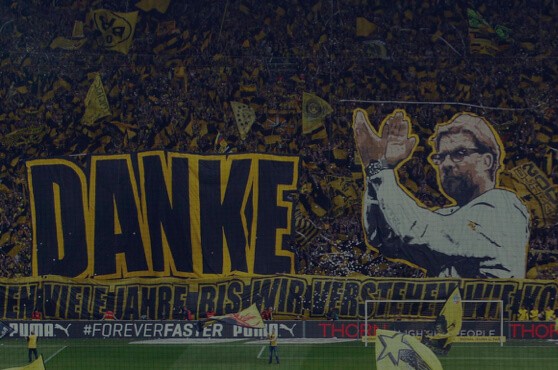
Back in 2014 he was managing Borussia Dortmund, one of the best teams' in Germany. They were having a spectacularly awful season, sitting at the bottom of the Bundesliga.

As a thank you to the fans, for sticking with the team, Klopp ordered players to serve behind the bar and pull pints at the Christmas Party.

Jürgen Klopp Dortmund Christmas party pints for fans

In Englandit's no different. He’s the only Premier League manager who does interviews with fan-run YouTube channels.

Pre-lockdown he'd drop in on fan events and enjoy a beer with supporters. During lockdown, he did Zoom calls with fans who were self-isolating.

After winning the league he wrote an open letter in the Liverpool Echo paying respect to the fans.

To mark the end of his first season he challenged lifelong supporters to an impromptu bowls game.

Jürgen Klopp making people smile

I'm telling you about Klopp to make a simple point.

If you find even the smallest way to make people smile, they’ll remember you more for that smile than for any business-model stuff.

A brand isn’t a logo or a website. It’s the sum of all the little things.

When Klopp left Dortmund in 2015 they'd just had their worst season in seven years. Most teams' fans would be booing. The whole stadium was in tears.

PS: That smiling line is from a Derek Sivers blog.

Support

Thanks for reading. If you'd enjoyed the story, I'd appreciate if you joined the email list. I share a new case study, like this one, each week.

— Harry

3 mins

How LadBaby started a movement

Brand

Three years ago Mark and Rox Hoyle were sausage rol-loving parents who'd never written a song before.

Last week they beat Mariah Carey to win their third consecutive UK Christmas No.1.

Their story is a blueprint in how to start a movement.

1/ Start with story

Every movement needs a story. And Mark and Rox's is no different.

It turns them from two weirdos singing about sausage rolls to a husband and wife on a mission to support food banks.

LadBaby's story

2/ Make something shareable

So they had a story. Now they needed a song. Each year they record a sausage roll themed parody of a famous song.

• We Built This City... on Sausage Rolls (2018)

• I Love Rock 'N Roll → I Love Sausage Rolls (2019)

• Don’t Stop Believing → Don’t Stop Me Eatin’ (2020)

Both relatable and ridiculous. And people couldn't stop sharing.

3/ Bring people on the journey

So Mark and Rox launch their song and then vlog their entire Christmas No.1 attempt on YouTube.

The vlogs aren't fancy. Just two minutes on an iPhone. But they're raw. And you can't help get swept up in their journey.

4/ Galvanize followers

The great thing about bringing people on the journey with you is they'll help you bring even more people.

Mark's the king of this. Watch how he motivates his followers to get #LadBaby trending on Twitter. All perfectly timed for their song launch.

PS: Mark's also known as LadBaby

5/ Know what turns the needle

Here's where it gets tactical. The way the UK charts are calculated 1 purchase equals 100 streams.

Mainstream artists focus on streams. Mark and Rox focus exclusively on purchases. And every video, vlog, radio appearance are mini “adverts” to purchase their track.

They can't out-stream Mariah Carey. But their hardcore fans purchasing mean they don't have to.

LadBaby's 2020 Christmas No.1

So there you go

Mark and Rox's story isn't really about Christmas No.1. It's a lesson for anyone wanting to start anything.

Tell your story. The highs and lows. All in public. People will come on the journey. And you’ll create a connection that big brands can’t replicate.

Don't believe me? Watch Mark and Rox’s livestream the moment they found out they were No. 1.

Thanks for reading

Please supplment this with an excellent article about brand storytelling. And if you'd like more short, sweet, practical marketing examples in your inbox please do join the email list .

2 min

How Loom Created a Category

Brand

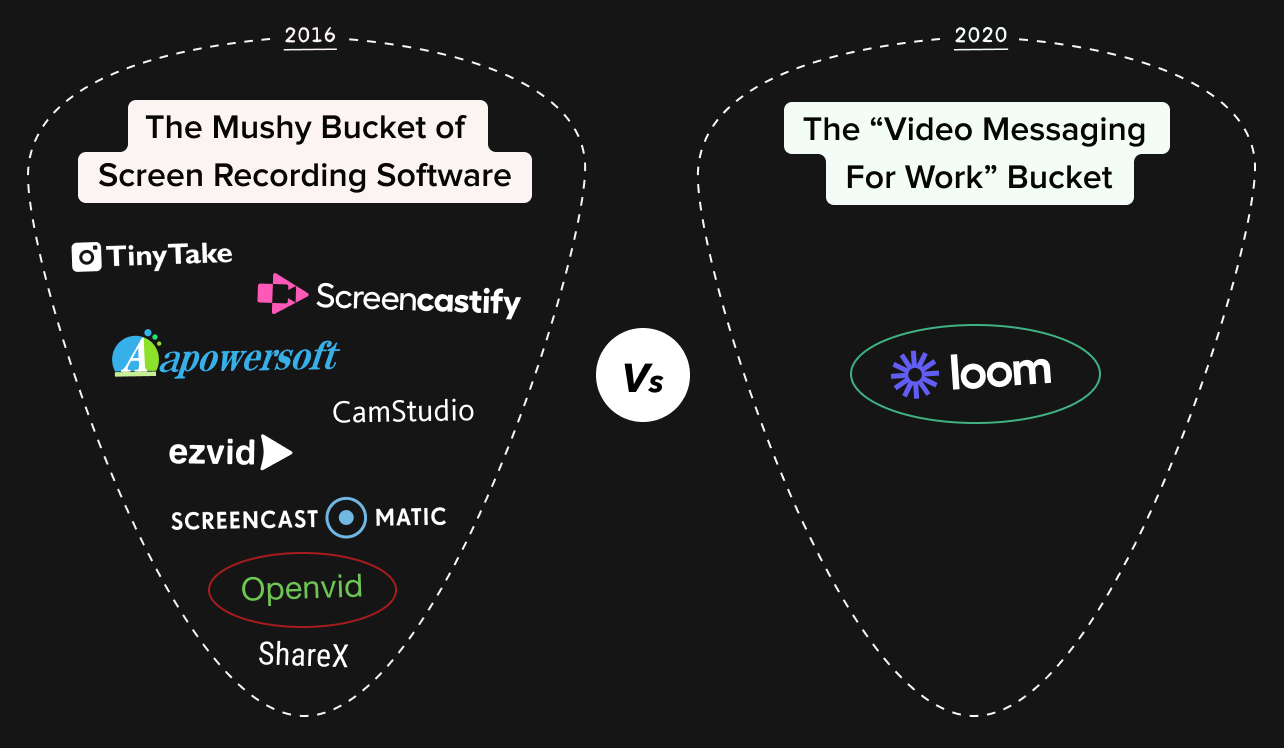
When Loom launched in 2016 it was called OpenVid. And it was just another “easy-to-use screen recorder”.

At the time all screen recorders walked the same and talked the same. No opinions, no personality.

Until, one day, Loom came up with a point of view:

1. The way remote teams communicate sucks.

2. Meetings are boring. Calls drag on. Email lacks personality.

3. The solution? Async video messaging.

And with that said a new category was created. Loom was no longer “just another screen recorder”. It was “video messaging for work”.

Loom Category Creation

The wonderful thing about creating a new category is you haven't got any competitors. You make the rules. You own the language.

“Send a video message” quickly became “Send a Loom”.

Today, Loom's valued at $1.5bn. More than all the other unopinionated screen recorders put together. That's the power of positioning.

— Harry

3 mins

My guide to brand positioning

Brand

I love this line by Ted Morgan.

Positioning is like finding a seat on a crowded bus

Most brands sleepwalk onto the bus and sit on top of one another.

The smart brands look left, right, find an empty row, paint their logo on it and start singing sweetly like the Sirens.

Sea of sameness brand positioning

Positioning is an easy thing to complicate so let's keep it simple.

Your goal is to own a space in the customer’s mind. You do this by differentiating yourself.

Differentiation is not a dark art. It's something you can learn. Here’s how you can achieve it.

1/ Through contrast

Point at the status quo and pit yourself against it. Contrast burns your brand into the customer's mind.

• Hey pit themselves against mainstream email

• Lemonde pit themselves against insurance stereotypes

• The “I'm a Mac” ads pit themselves against the PC

Pick a fight against status quo brand positioning

2/ Through values

Think Patagonia and the environment, Ben and Jerry's and social justice, Black Rifle Coffee and gun rights.

Some will hate it. Others will rally behind you. And that's the point. Fence sitters don't buy.

Positioning through brand values

3/ Through category creation

Invent a new category and you haven't got any competitors.

When Drift launched in 2016 they were just another startup in the mushy bucket of live chat software. How to stand out?

Well, they reframed live chat as conversational marketing and made it their mission to own this new category.

Drift's brand positioning

4/ Through personality

Turn yourself into the product and no one can compete with you.

Think Kanye’s shoes, Nigella's cookbook, Wicks’s workout.

Productize yourself

5/ Through limitation

Instead of trying to be everything for everyone go all-in on one niche or one feature.

Limitation makes you easy to sum up. Being easy to sum up makes you memorable.

Brand positioning

Writing this made me think back to how I positioned Marketing Examples.

• Contrast - Marketing content was fluffy. My goal was no fluff

• Personality - Well, I write them all

• Limitation - Just examples. No agency, jobs board, etc...

One last thing

Positioning isn't something you make up on a whim.

Behind great positioning is a story. Positioning is the one line summary. The story makes it memorable.

Look at Drift. Conversational marketing isn't plucked out the sky. It's the final bullet point in their story.

Marketing Examples Product Hunt

* * *

That's all folks. I hope you found this useful. If you'd like more case studies in your inbox, perhaps I can tempt you with my bi-weekly newsletter.

Thanks to this excellent article by Peep and Louis Grenier's LinkedIn where I got some ideas from.

— Harry

30 secs

One Tweet. Eighty media placements.

Brand

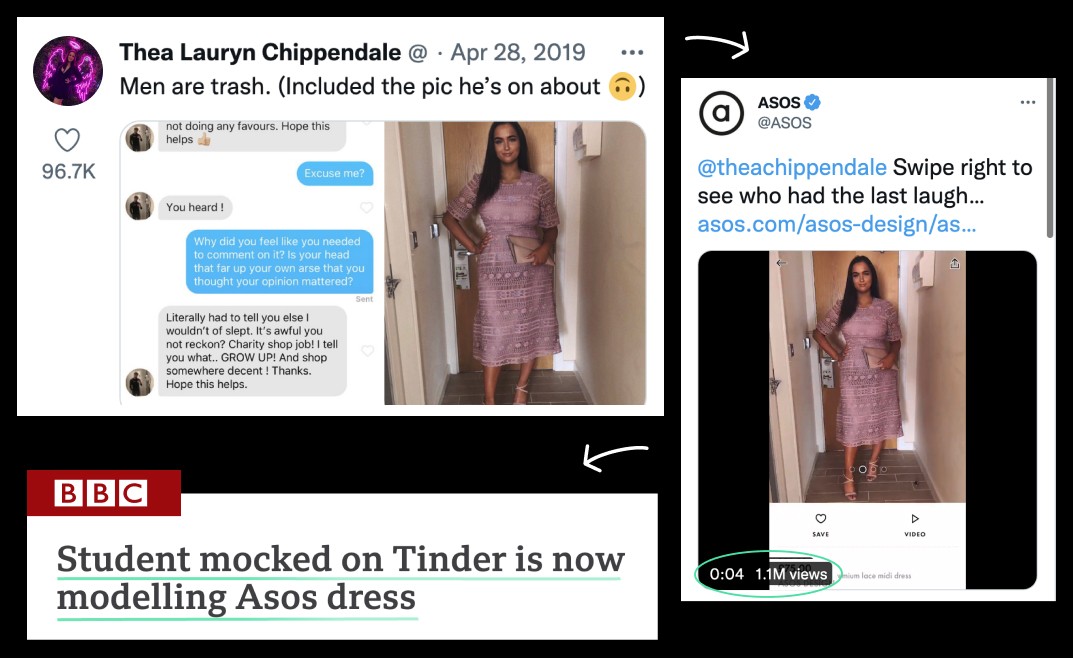
• Guy on Tinder insults a woman's ASOS dress.

• ASOS update their site making her the new model.

• Story goes completely viral. 80+ media placements.

Delight customers. Embrace karma.

ASOS Tinder Model Dress

Thanks for reading — Harry

1 min

People Warm to People, Not Brands

Brand

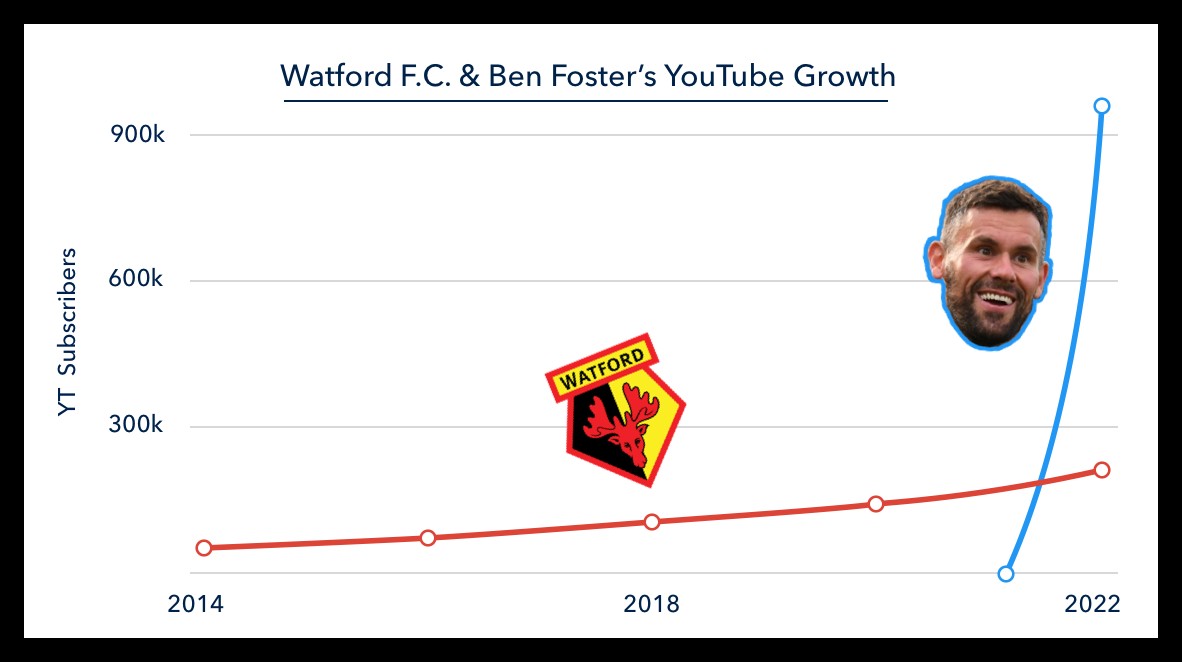
It took Watford F.C. ten years to get 170k YouTube subscribers.

It took Watford F.C. goalkeeper Ben Foster one year to get 1M YouTube subscribers.

h/t Jon Baxter

Ben Foster's YouTube Growth

— Harry

2 mins

Real Marketing

Brand

Let's start with this image.

Same title. Same painting. Same subreddit. One gets 300 votes. The other gets 70,000.

Passive voice

People love REAL stuff. But it's rare.

Lifeless marketing is everywhere and we copy it without thinking.

So I thought I'd share some examples of REAL stuff.

1) Taleb's social proof

Publishers say bestsellers need endorsements from fancy media.

Nassim Taleb disagreed. For his latest book he replaced praise from Economist et al. with words from real readers.

Readers connect with readers in a way The Economist can't.

Passive voice

2) Patagonia's images

In the 1980s all outdoor fashion catalogs looked the same.

Paid models. Fake hikes.

Patagonia’s founder, Yvon Chouinard, was sick of it. So he placed a note in their catalog asking customers to send in real photos.

Suddenly Patagonia stood out. They still only use real customers today.

A real surfer showing a little skin is a lot sexier than a half-dressed, anonymous model — Yvon Chouinard

Passive voice

3) Rihanna's copy

Most product launches feel like a copy and paste job.

Look what happens when Rihanna drops the clichés and talks like a real person.

Passive voice

4) People's Vote Ads

The People's Vote Campaign spent more than £800k in the lead up to the 2019 UK election. Fancy cameras, expensive lighting, etc...

Their best performing ad? Staff talking to an iPhone on their way to work.

5) Chanel's drawings

Real means human.

For Mother's Day this year Chanel asked employees' kids to draw products.

Passive voice

6) Beachbody's ads

Contrast these two ads from Beachbody's CEO.

The first is your classic clean-cut ad. The second feels like a fitness vlog. Dropping sweat. Off-the-cuff.

Much more authentic.

To wrap up

I'll leave you with my real marketing manifesto:

Real people. Real words. Real customers. Anything else goes.

I spent yesterday applying it to my email popup.

Passive voice

— Thanks for reading, Harry

30 secs

Reforge and the Strategic Use of Language

Brand

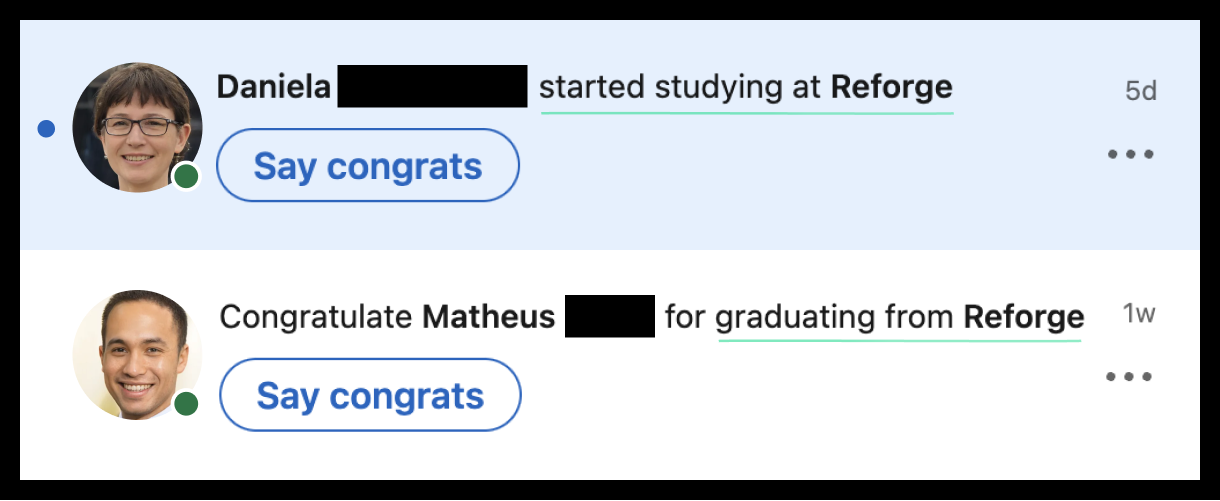
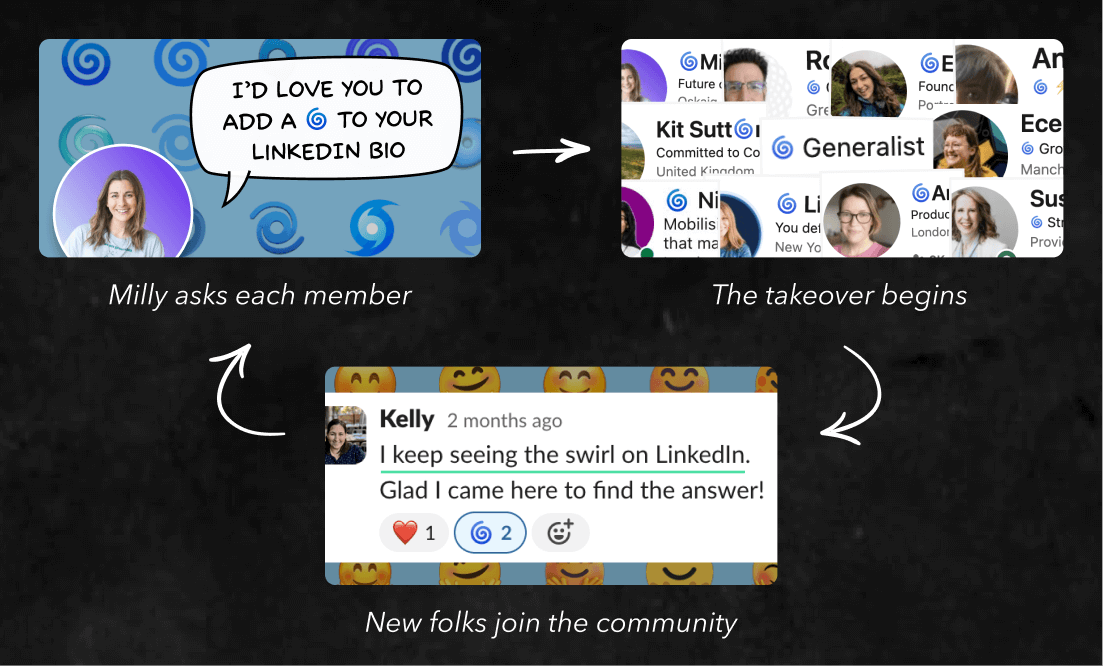
Last week I started getting some interesting LinkedIn notifications.

Reforge LinkedIn notifications

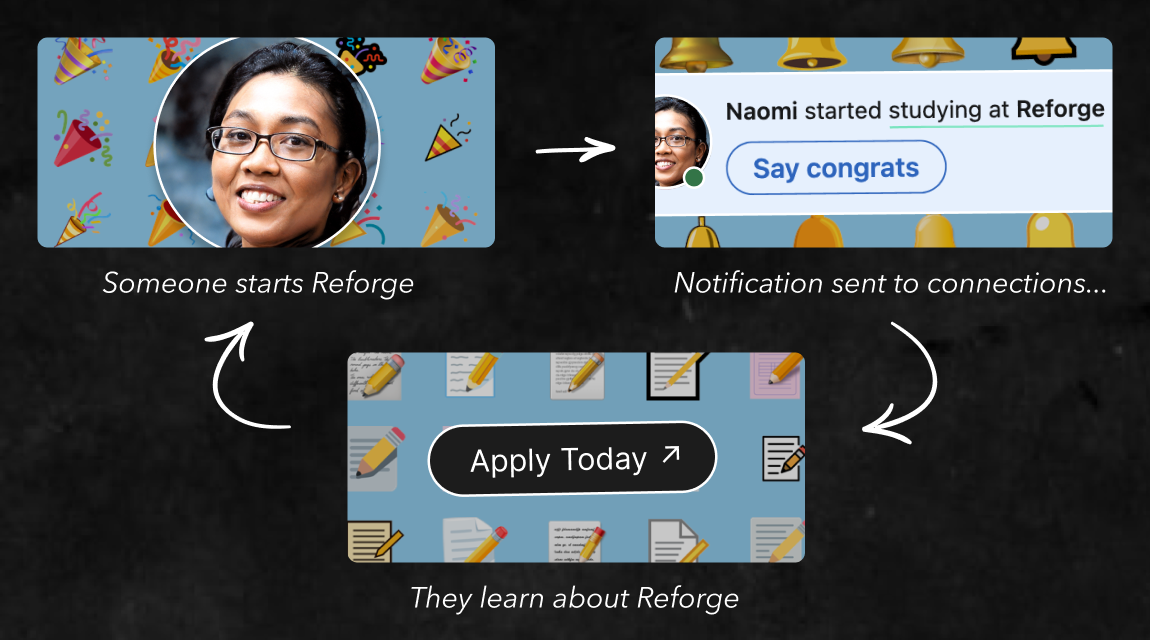
On a micro level it’s a clever growth loop.

Reforge LinkedIn notifications

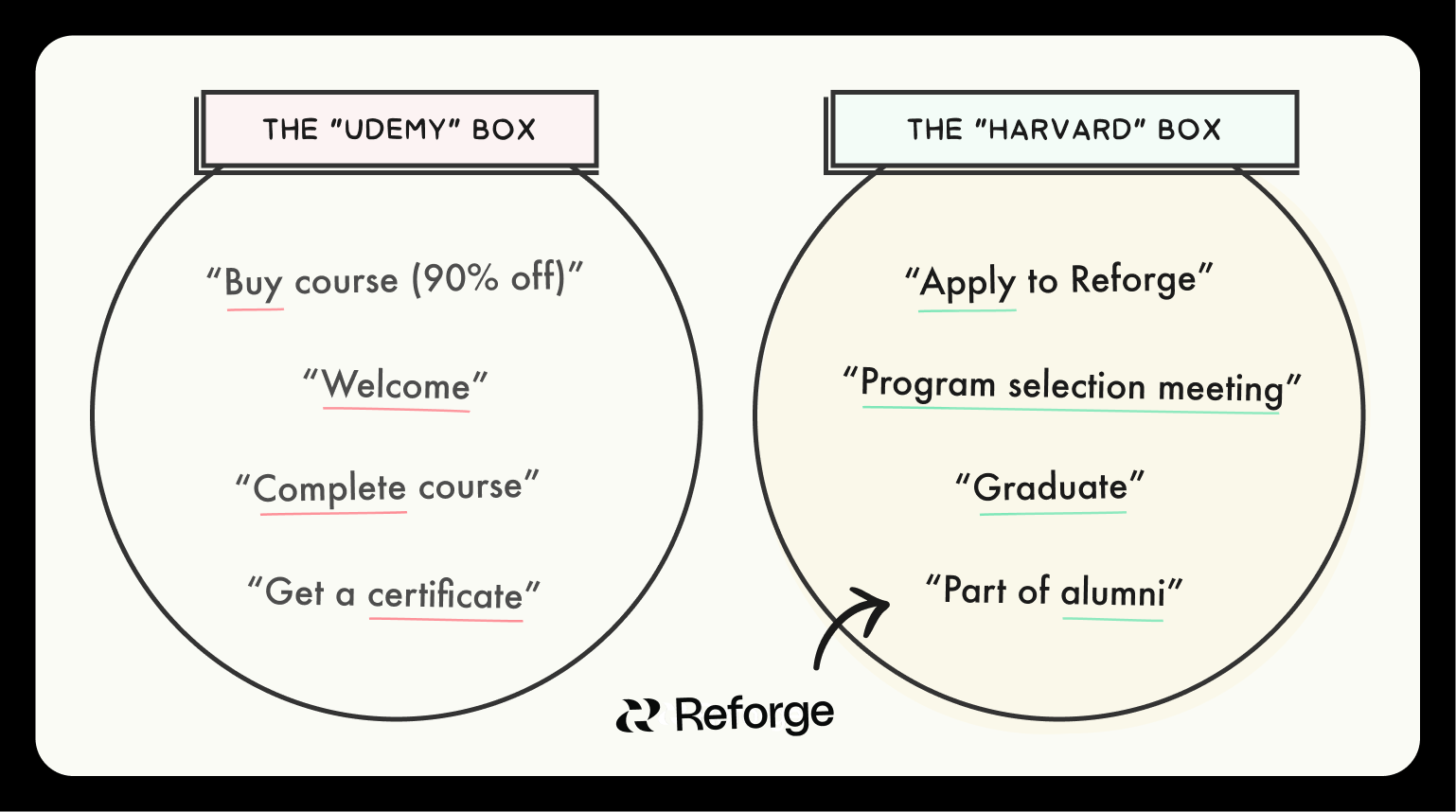
On a macro level it’s clever positioning.

Why are people proud to show off Reforge? Well, the language you use determines the box you're put in.

It's not a “online course”. It's “elite education”.

Reforge Growth Loop

“It isn't the whiskey they choose, it's the image” — David Ogilvy

— Harry

3 mins

Serve a niche market. Get more attention

Brand

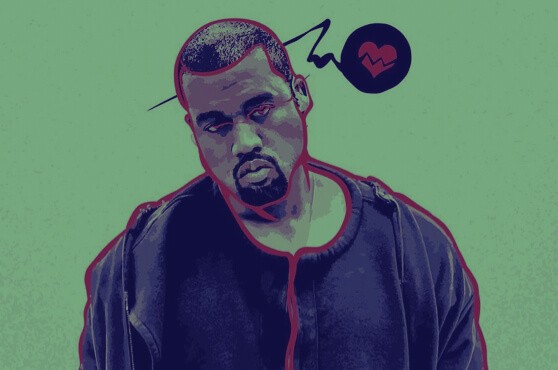
16th March 2018 a coming soon page for a Kanye West themed dating site spread like wildfire, getting coverage from Fox, ABC, Highsnobiety, MTV, Complex, etc ...

I made the Yeezy Dating site. This article talks about how targeting a niche market was the key to the viral attention I got.

The primary benefit of targeting a niche is that it’s far easier to get the word out about your product. Audience, press, and influencers are so much easier to access. Let’s go through it:

Audience

If your serving a niche it's more than likely that someone has already built your audience for you. You’ve just got to find where they hang out and share what you’ve been working on.

For Yeezy Dating, the primary location was r/Kanye, a reddit forum consisting of 250 thousand Kanye fans. A simple post announcing the dating site rose to the top and I had my first 500 email address’ signed up for the prelaunch. It got reposted on r/HipHopHeads a few days later and I got another 500 emails.

When you are adding value to a niche it literally can be this simple!

Yeezy Dating Viral

Press

Another benefit of serving a niche is that it’s far easier to get press. There’s going to be some hardcore bloggers out there whose full time job is to write about your niche. And unlike mass market journalists, niche journalists actually want you to email them.

How do you find them? Well there’s a free tool called Buzzstream Discovery which is pretty awesome.

You enter enter a search term and Buzzstream spits back the names of all the journalists who have written stories about that search term. So, I enter “Kanye West” and get back a list of all 440 bloggers who have written stories about Kanye West over the last month. Easy!

Using Buzzstream Discovery to go viral

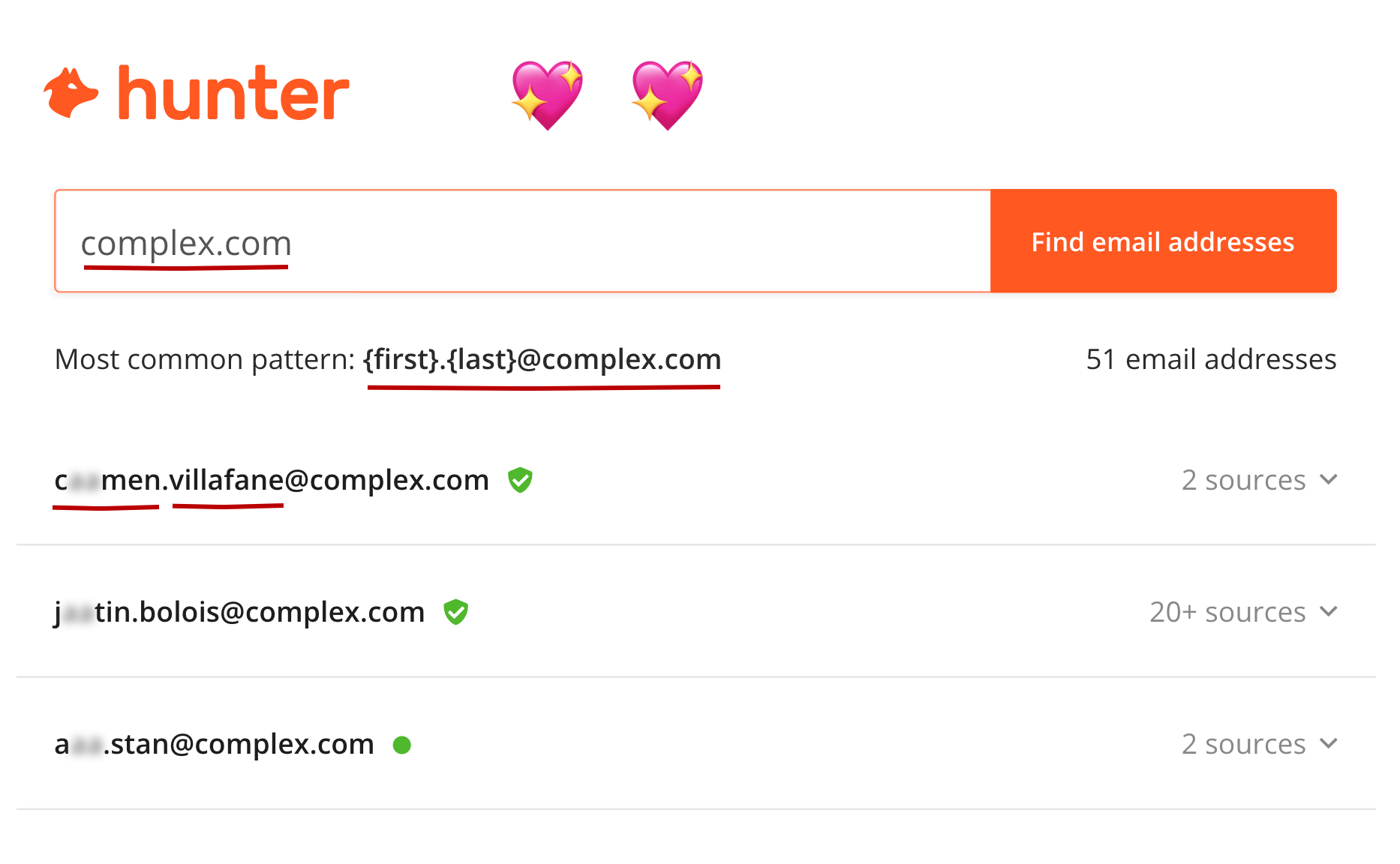
You can then use Hunter to find their emails and in no time you’ve built your hardcore niche press list!

Go viral with Hunter.io

Influencers

In any niche market influencers are pretty well defined and easy to get in contact with.

For example, I emailed the dating site to two guys who host a Kanye fan podcast . They loved the idea and talked about it on their show. I also dm’d a bunch of Kanye fan Instagram accounts and they shared it on their Instagram stories.

Benefits of a hardcore audience

This leads on to the 2nd benefit of targeting a niche. Niches are full of passionate, hardcore fans.

You don’t get a tattoo saying: “I love football”. You get a tattoo saying, “Pompey till I die”.

Hardcore Pompey fan

The more passionate the audience the more likely they will help share your product. This is called the viral coefficient, and niche markets have high ones.

It measures the number of new customers that each existing customer is able to convert. For example, you’re never going to text your friend:

There’s a new dating app for music lovers

but if your both Kanye fans you might send:

OMG, there’s a new dating app for Kanye fans 😂

and the sheer volume of friends telling friends definately played a role in it spreading so widely.

Summary

It's easier to go viral in niche markets because:

1. Audience, press, and influencers are easier to access

2. Hardcore fans will help share your product

And this stuff is applicable to every niche. Don’t write a cook book, write a pasta cook book. Don’t sell a health remedy, sell a sleep remedy. Don’t start a travel blog, start a Digital Nomad blog.

How niche markets go viral

And how can you tell if it's a good niche? Have a scout at the subreddit size:

r/pasta: 12k

r/sleep: 30k

r/digitalnomad: 446k

3 mins

The genius of no name's brand

Brand

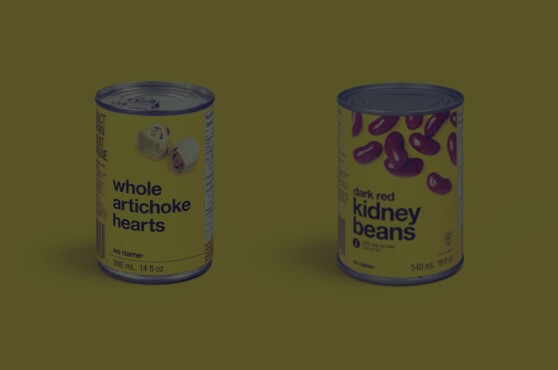
no name is a “no nonsense, no frills” supermarket brand in Canada.

Nothing special. A lot of discount brands share these “values”. But they all communicate them through similar slogans, packaging, and comparison ads.

So no name went the other way. What happens if you strip away all the fancy-dress from a brand? You're left with the bare bones. Stark simplicity.

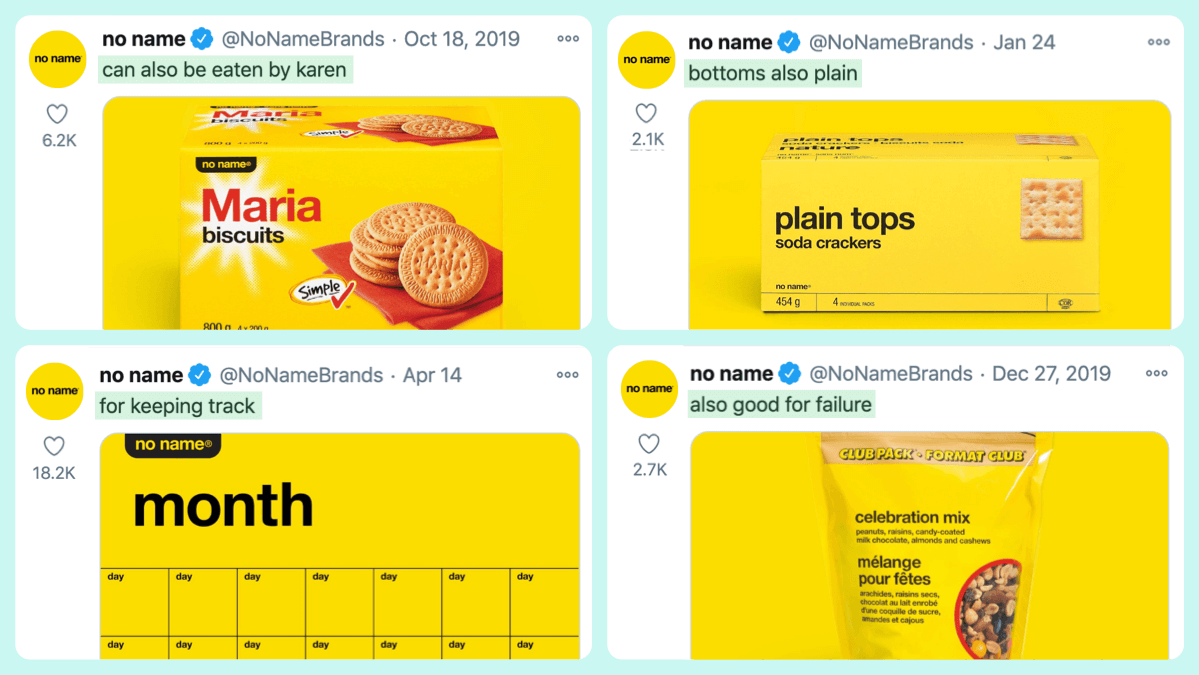
The packaging is lowercase Helvetica over a yellow background. The website says “website”. The Twitter page says “twitter page”. Their sole ad campaign of the last decade saw them matter-of-factly label Toronto’s subway station:

no name brand products

Ironically, no name's “anti-brand” approach has attracted a cult following.

Since 1978 the product line has grown from 16 to 2,900 items. A simple picture of biscuits on Twitter gets 6,000 likes. Their customers demanded merchandise and it sold out overnight.

It's football club brand power from a household product line.

no name twitter and merch

What can we learn from no name?

The first lesson is separation.

To quote Ted Morgan, “positioning is like finding a seat on a crowded bus”.

Most brands walk on the bus, glance left, glance right, and end up sitting on top of each other. no name marched straight up to the top deck, found an empty seat, painted it yellow, and no one else can sit there.

You escape competition through separation.

The second lesson is limitation.

Limitation is the essence of branding.

no name’s focus is singular. They don’t pretend to be lots of different things. They stand for something simple and narrow: The rejection of superficiality.

The final lesson is consistency.

Once you know what you stand for consistency is how you imprint yourself. Consistent tone, Consistent aesthetics. Consistent messaging.

no name tells the same joke over and over again, and it gets better every time. It reminds me of a running gag on Jimmy Kimmel Live where Jimmy bumps Matt Damon from the show every night.

The first time you're unsure, the 50th time it’s the best thing in the world. That's the power of consistency:

* * *

Limitation, consistency, and separation is how brands are built:

• Rolex will never sell a watch for less than $5000

• Subway has sold just one type of sandwich for 54 years

• Doubletree has given out free chocolate chip cookies for 39 years

Cheers

Thanks to Al and Laura Ries, Matthew Kobach, Dave Gerhardt, and Marcus Andrews where I got some ideas from.

2 mins

The genius of Tesla's marketing strategy

Brand

Traditional advertising is less effective than ever before. It interrupts. It can’t get through ad blockers. We’ve learned to ignore it.

Having fans sell your product is more effective than ever before.

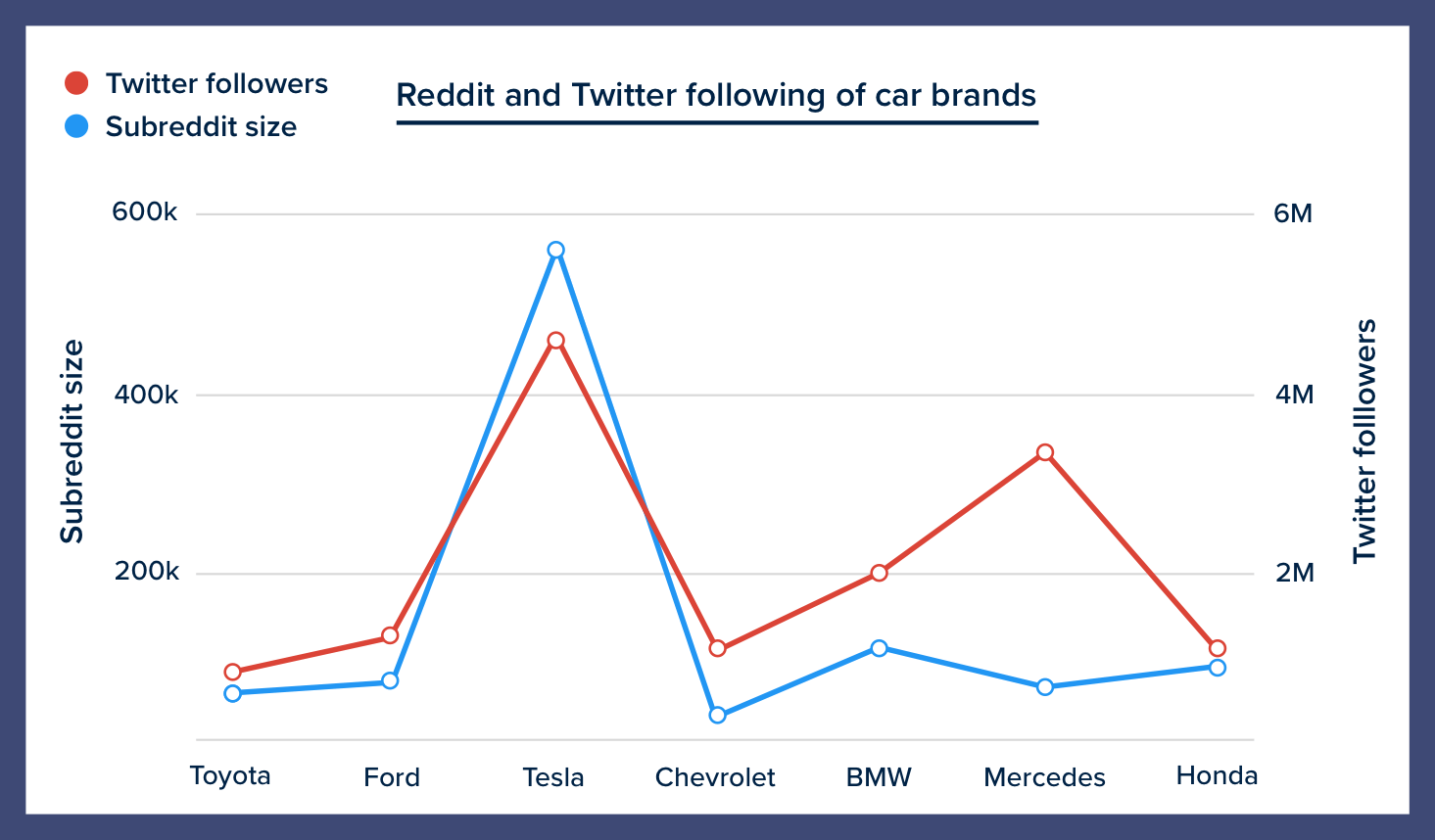
Tesla grasp this. They have zero advertising budget. The focus is on turning customers into fans. And it's fair to say they've succeeded:

Graph of Tesla's Subreddit size and Twitter following

Authenticity

If I had one just one word to summarise Tesla's success it would be authenticity. They are unashamedly themselves.

The car makes “fart noises”. Their CEO makes memes. And, simultaneously, they have the best engineers in the world working on a solution to the fossil fuel crisis.

The result is both one of the most carefree and one of the most ambitious brands on the planet. It's Weasley's Wizard Wheezes meets Tony Stark. And the juxtaposition is captivating.

Controversy

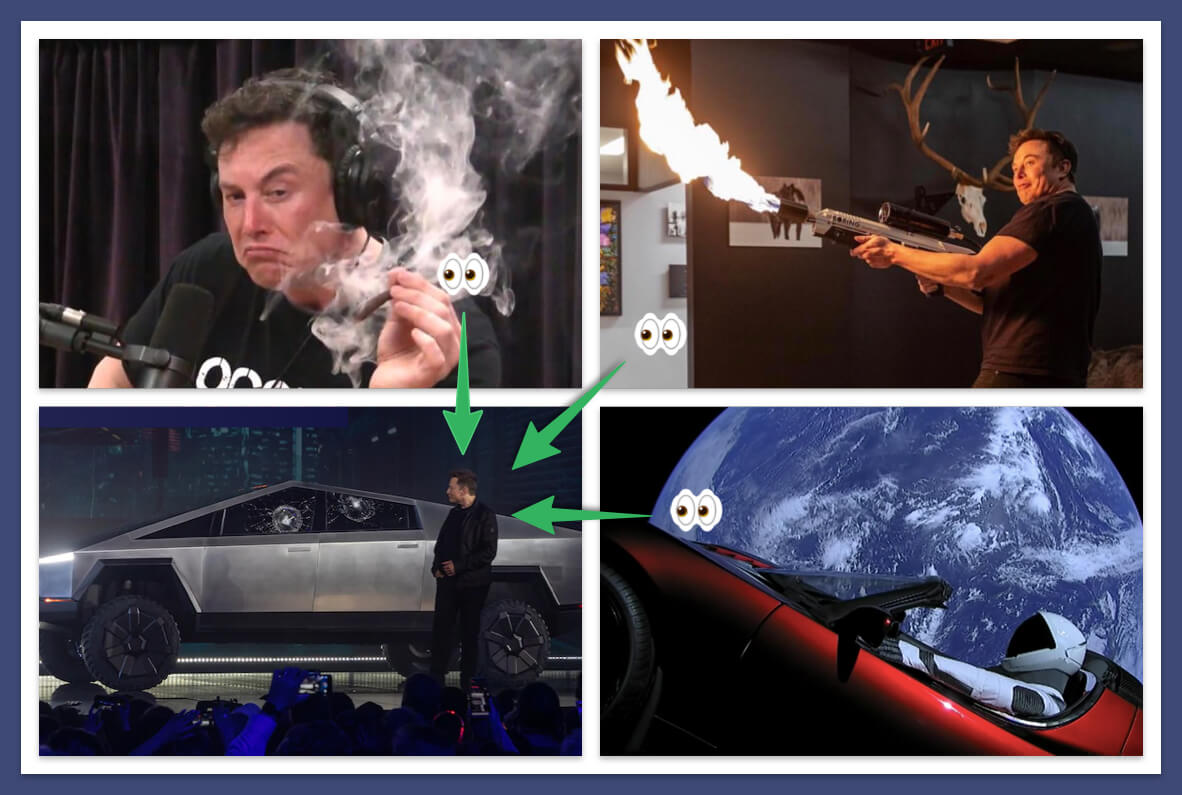
If authenticity is how to connect with an audience, controversy is how to multiply an audience. And Musk is the master of this:

He smokes weed with Joe Rogan, sells flamethrowers, blasts a Tesla into orbit, and then when it’s time to launch a real product he’s got our attention.

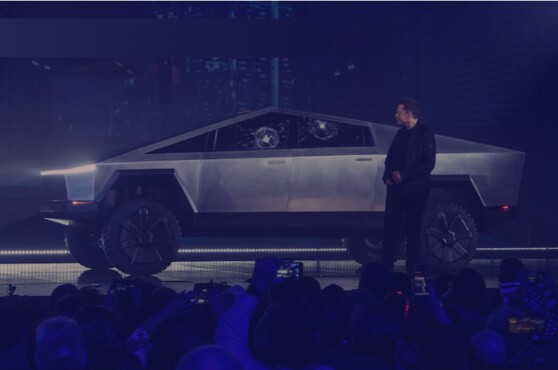
Imagine any other automobile company attracting the world's media to a launch event, smashing two windows, and selling 250k+ units upfront:

Tesla's YouTube fans

* * *

Competitors spend hundreds of thousands of dollars for a 30 second commercial to play during a basketball game.

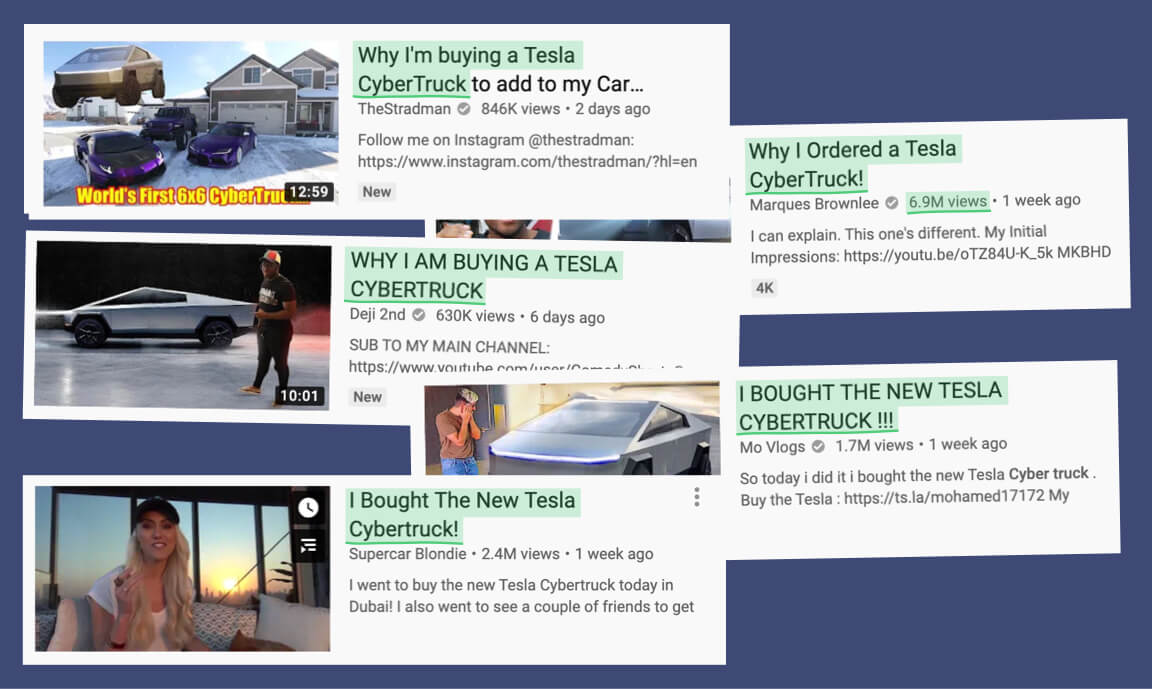
Tesla sit back and watch their fans make these videos for them. An army of YouTubers explaining “Why I bought the new Cybertruck” in a far more sincere way than any commercial could:

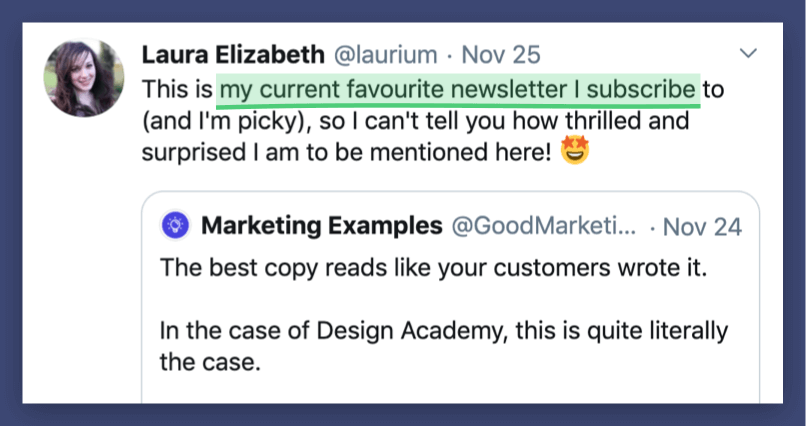
Laura Elizabeth Twitter

And the numbers are frightening:

6.9M views * 1 / 5000 conversion = 1,380 Cybertrucks

That's $75M revenue. From just 1 video.

What can we learn from Tesla?

Well, if the best salespeople are your customers perhaps marketing should be a little less about attracting eyeballs and a little more about building relationships.

Instead of asking “How many views?” ask yourself “How many fans?”

I experienced this on a micro level last week. One organic tweet from Laura resulted in 5x as many newsletter sign ups as $30 worth of Facebook ads:

Marketing Examples Product Hunt
1 min

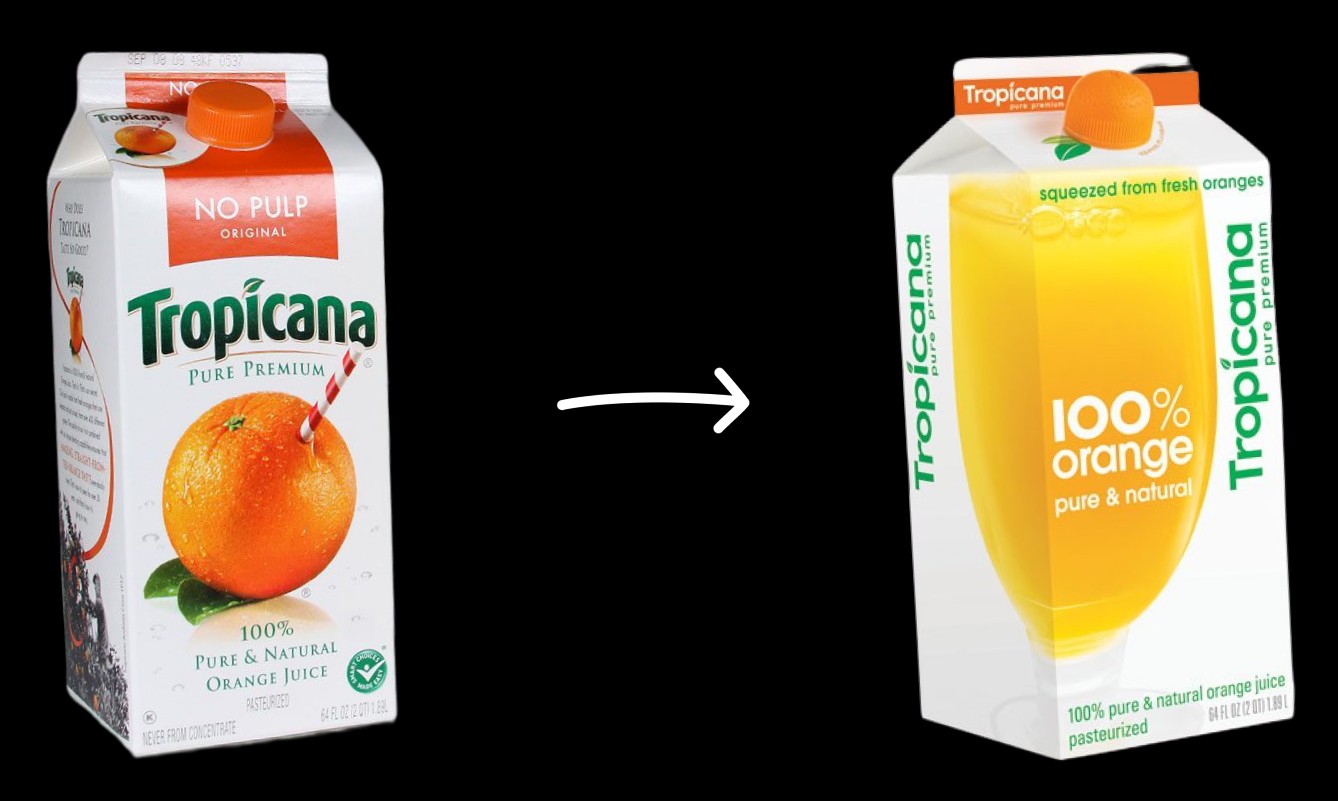
This rebrand cost Tropicana $55M

Brand

Copy is about communication. The quicker the better.

A straw in an orange is as clear as it gets. A yellow blob looks like medicine. And you miss the logo cause we read left to right.

I don't want to think to buy orange juice.

Tropicana Rebrand

h/t Carrie Rose & Tom Nelan & Lee Hill

— Harry

2 mins

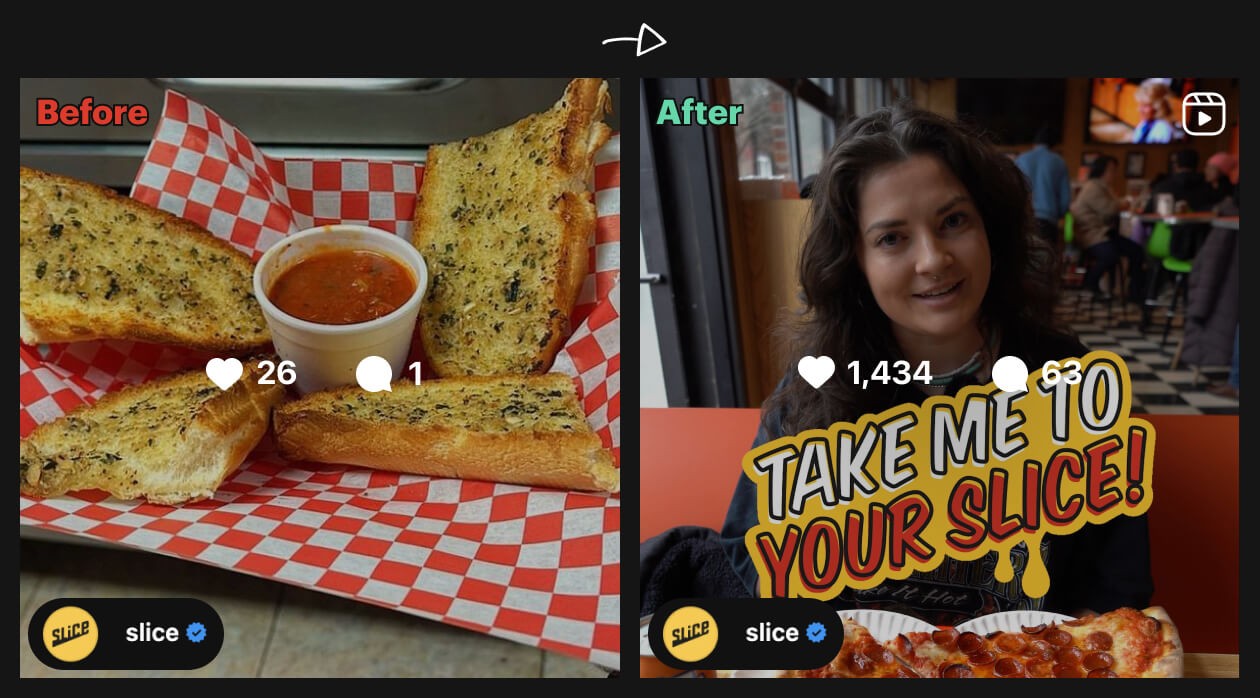
A full-time “pizza influencer”

Content

The trouble with brands on social media is (no matter how hard you try) you're a brand on social media.

So what if you hire an influencer. Give them the keys. “Work your magic”.

Well. That's what Slice did.

Out with posts of garlic bread. In with “Take Me to Your Slice”. Hosted by pizza influencer Ricky. His Instagram pals for guests.

Four months in and impressions just hit 1.8 million / month. Maybe they're onto something.

Slice's pizza influencers

[1] [2]

1 min

Growth Design's 60% open rate

Content

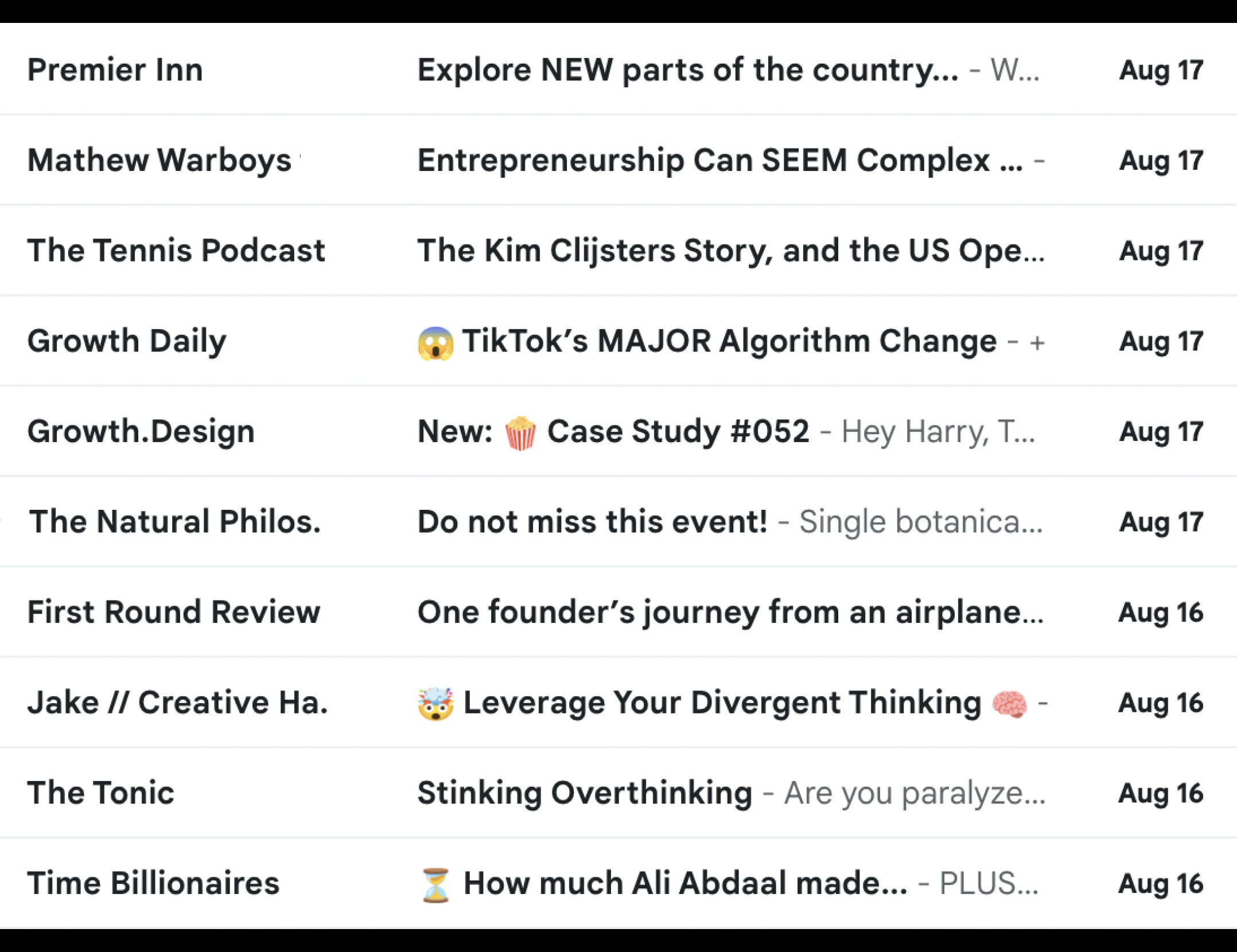
A photo of my inbox last Friday

Spot the odd one out.

Subject Lines Tips

9 out of 10 subject lines compete on juiciness. One on reputation.

“New: 🍿 Case Study #052”

Anti-clickbait. In a sea of hyperbole.

I've seen the same popcorn emoji fifty times. I'm primed. I know it's good. They don't have to shout. Consistency is how you build a brand.

Growth Design Email Strategy

— Harry

3 mins

How I promote my content

Content

May 2019. I wrote my first marketing article. A year later my email list hit 19,000.

No ads. No connections. No existing audience.

The site grew because I learnt how to push my content round the internet.

Here's the process

First, I found all the different places where marketers hang out.

Online marketing groups

Then, I asked myself, “how can I add value directly to these platforms?”

Adding value isn't dumping links. People are busy.

Wow them on the platform they're already using. Or get ignored.

There's no “one-size-fits-all” formula. Twitter is not Facebook. I tailor my content to fit each platform.

The specifics

Twitter, Reddit and Indie Hackers are places where long-form sharing works.

My strategy is simple. I share my whole article. Then, I politely ask if the reader would like to join my email list.

Facebook and Slack groups are a different ball game. Attention spans are shorter. Self-promoters get lynched.

I break my articles into visual tips. Subtly branding each one. Upfront value. No hard sell.

How to share in Facebook groups

Then, there's a bunch of sites where I share direct links: Hacker News, Designer News, Growth Hackers, Zest.is.

Same principle applies. Tailor content to fit the platform.

Hacker News Vs. Growth Hackers

The whole process takes me 8 hours. 4 hours posting. 4 hours replying.

The snowball effect

How other people share your content is just as important as how you share it.

You don't want people sharing different things on different platforms. You want everyone sharing the same thing on the same platform.

Isolated sharing gets ignored. Concentrated sharing compounds.

I direct everyone who likes my article to the same Twitter thread. 50 retweets turn into 500.

Twitter compounds growth

Putting it all together

1) Create value on other platforms.

2) Transfer this value to your own platform.

3) Store value with your email list.

How to promote content online

Email subscribers are gold bars in the bank.

New media rise and fall. Email isn’t going anywhere. It’s been around longer. It will survive longer. Medium can't paywall it. It's the best place to build an audience online.

Here are the results of a year sharing content online.

Marketing Examples email list growth

It's not rocket science:

The platforms where I add the most value upfront are the platforms that generate the most new subscribers.

People are busy. Don't redirect them. Wow them.

One last thing

The best self-promoters aren't self-promoters. They take the time to become a genuine member of each community.

Share others' content. Write detailed comments. Make friends.

Give more than you take. It's a positive-sum game.

20 secs

How to approach viral content marketing

Content

Write the title THEN make the content.

Viral content marketing

— Harry

4 mins

How to get 30,000 Hacker News visitors to your website

Content

For those of you who don’t know, Hacker News is a news website focusing on computer science and entrepreneurship. If you’re on the hunt for some geeky landing page traffic there are few places you’d rather be on the front page of.

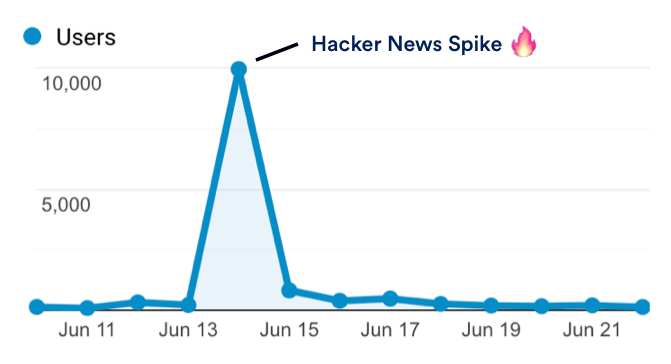
Last month my story about How Nike sold its first shoes made it and the traffic spike is … pretty ridiculous.

Tweet Photo Before and After

In spite of this success, I’ll be the first to admit that I am pretty clueless when it comes to Hacker News. So in putting together this case study I needed to learn from the experts.

Introducing Adriaan Van Rossum

Adriaan runs a privacy-focused analytics platform called Simple Analytics.

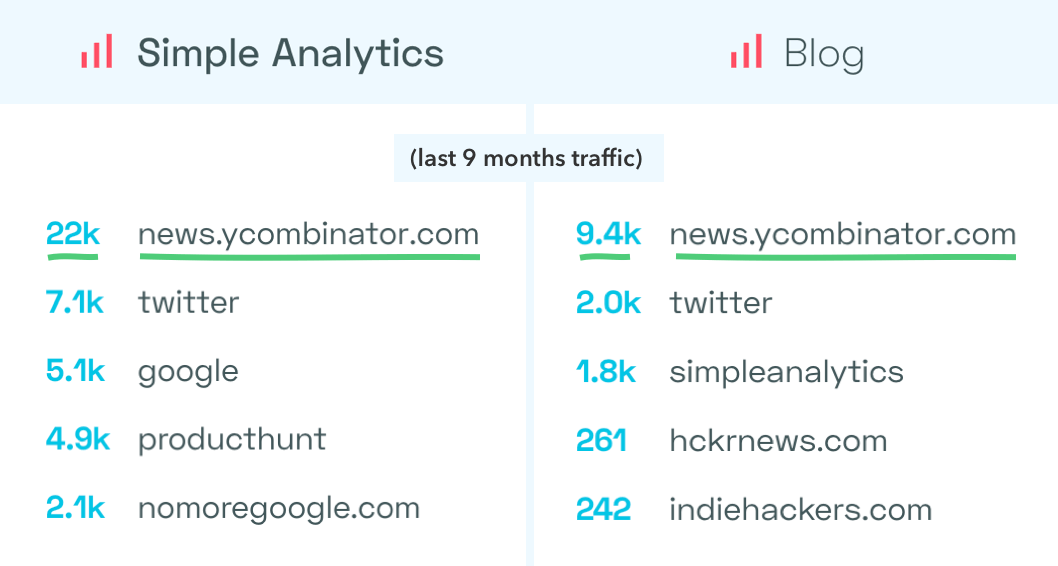
Since he launched 9 months ago Hacker News has been the number one source of traffic to both his main site and blog. We’re talking more than 30,000 total visits. A staggering 60% of total traffic.

Tweet Photo Before and After

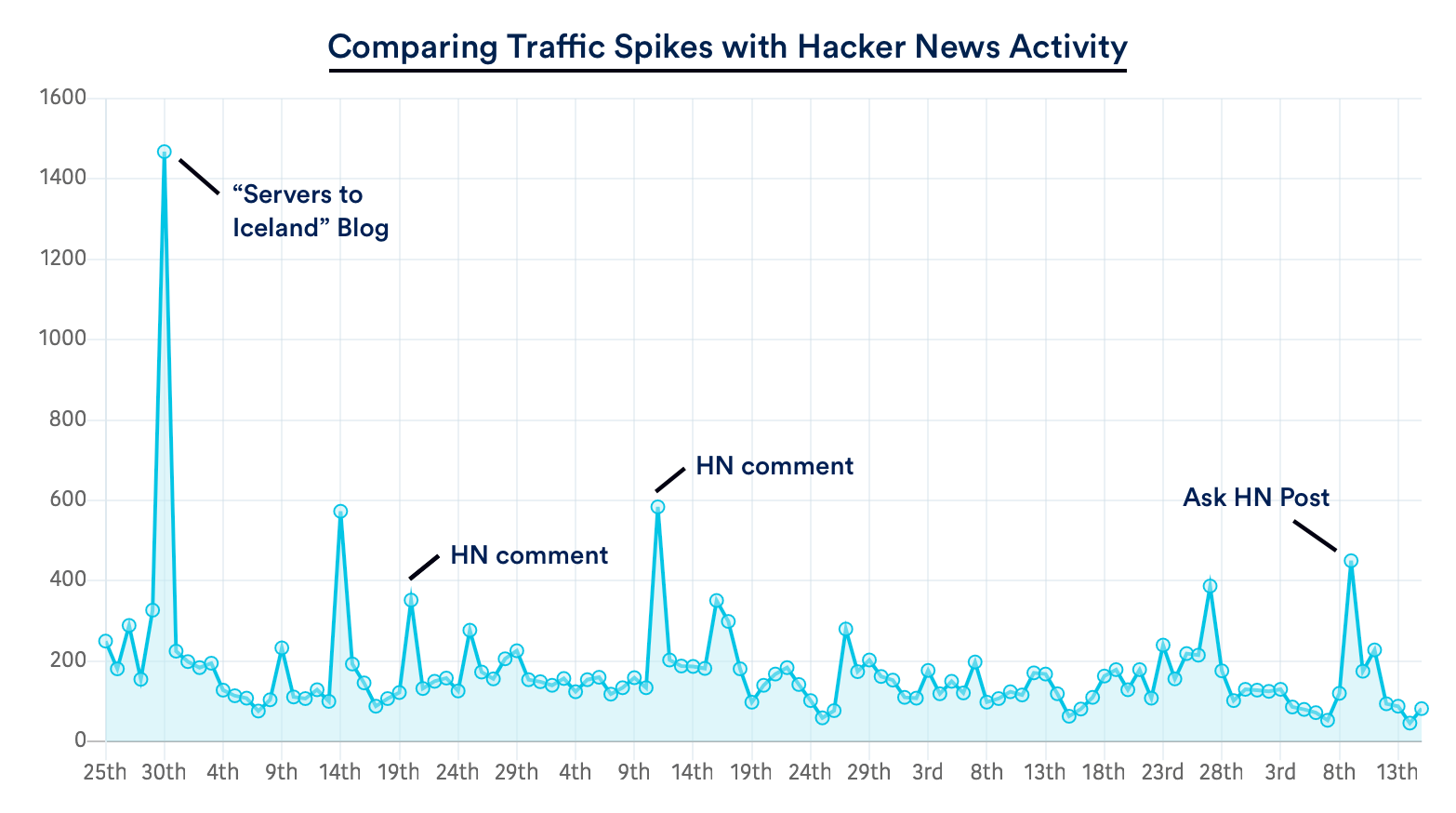
How is he doing this? Well, fortunately, all Simple Analytics traffic is open so it was possible to compare traffic spikes with Adriaan’s Hacker News activity and figure it out.

Tweet Photo Before and After

What follows is everything I've learnt from Adriaan condensed into four simple lessons.

Lesson 1 - Write the title for your audience

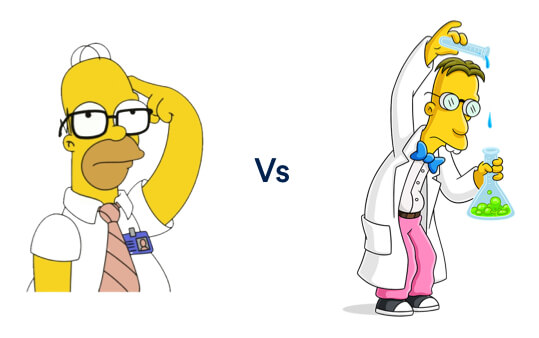
Traditionally, marketers are rewarded for writing titles that lure the Homer Simpson archetype into clicking. On Hacker News, you are rewarded for writing titles that lure the Professor Frink archetype into clicking.

Homer Simpson and Professor Fring

Here are a couple of Adriaan's titles:

1. I made a privacy-first minimalist Google Analytics - 968 points

2. We moved our servers to Iceland - 241 points

They are matter-of-fact, unemotional and understated. And that’s what works best. You want to bleed out all the superfluousness.

Arguably the most famous Hacker News post of all time is titled I sell onions on the internet. If it was titled, You won’t believe these 5 crazy reasons why I sell onions online I'm not sure it would have got the same attention.

Lesson 2 - Comments are underappeciated

On Hacker News, comments:

a) Can get several thousands of views.

b) Allow clickable links to be included (unlike text posts).

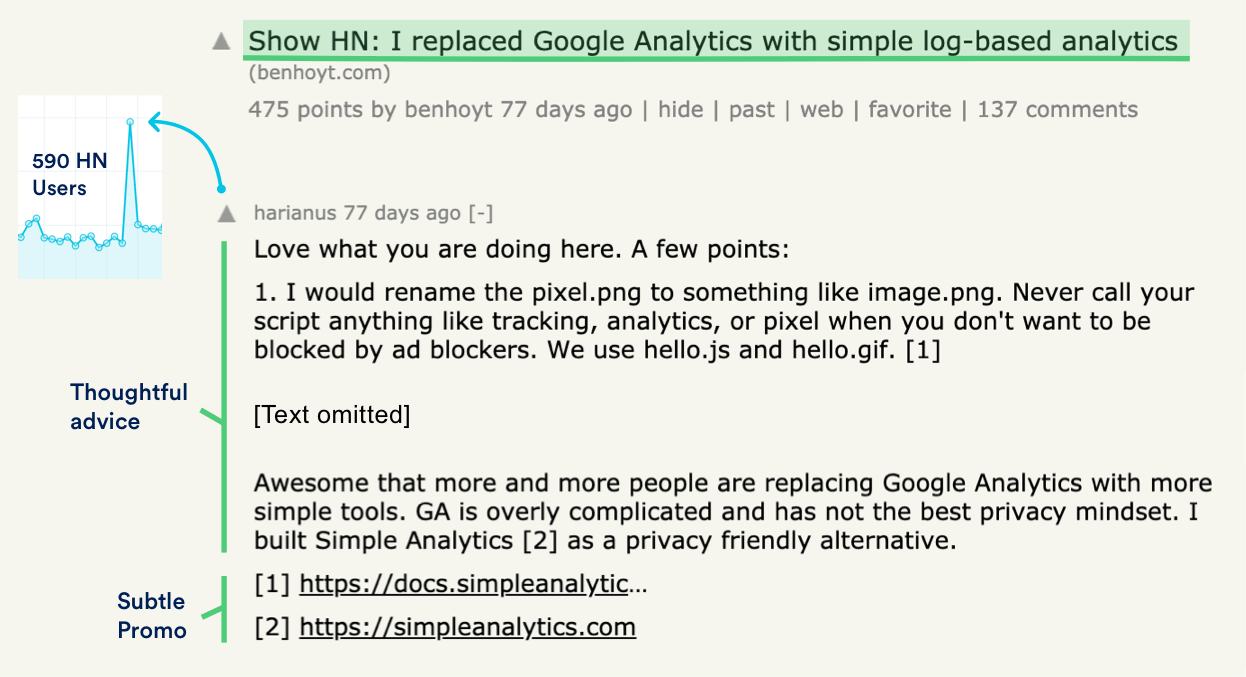
This makes them a great alcove for self-promotion. Adriaan's reply to someone who made a simple log-based analytics is the textbook example.

Tweet Photo Before and After

He finds a post relevant to his domain, offers thoughtful advice, and then links his own product. The result: 590 Hacker News users check out his website.

Notice how Adriaan links the Hacker News way with [ 1 ]. This shows he knows the platform and also puts his links in a more prominent position.

Lesson 3 - How to launch

There are close to 1000 submissions every day on Hacker News. That means no matter how amazing your creation there’s a good chance it will go completely unnoticed.

My friend David learned this the hard way last month. He built, “A 24/7 TV station made up from the best Hacker News videos”. We both thought it was a shoo-in with the Hacker News audience. It didn’t get one single upvote.

How can you turn the odds in your favour? Well, Adriaan let me in on two tips:

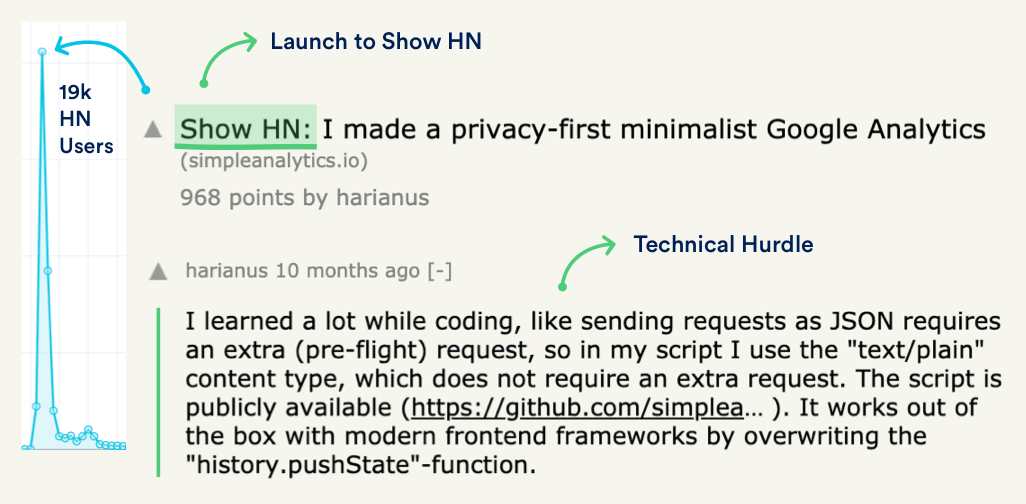
1) Always launch to the Show HN page. The lower frequency of posts means you will have more chance of being seen.

2) Post a good first comment. For example, I often show a technical hurdle and explain how I overcame it (HN loves that).

Tweet Photo Before and After

Lesson 4 - How to share

All this advice is cool but can’t I just share my post with friends for them to upvote?

No! Hacker News isn’t like Product Hunt:

1) Upvotes don't count from anyone who arrives at your post via direct link

2) It’s 1 upvote per IP address

This means that people have to find and upvote your post organically.

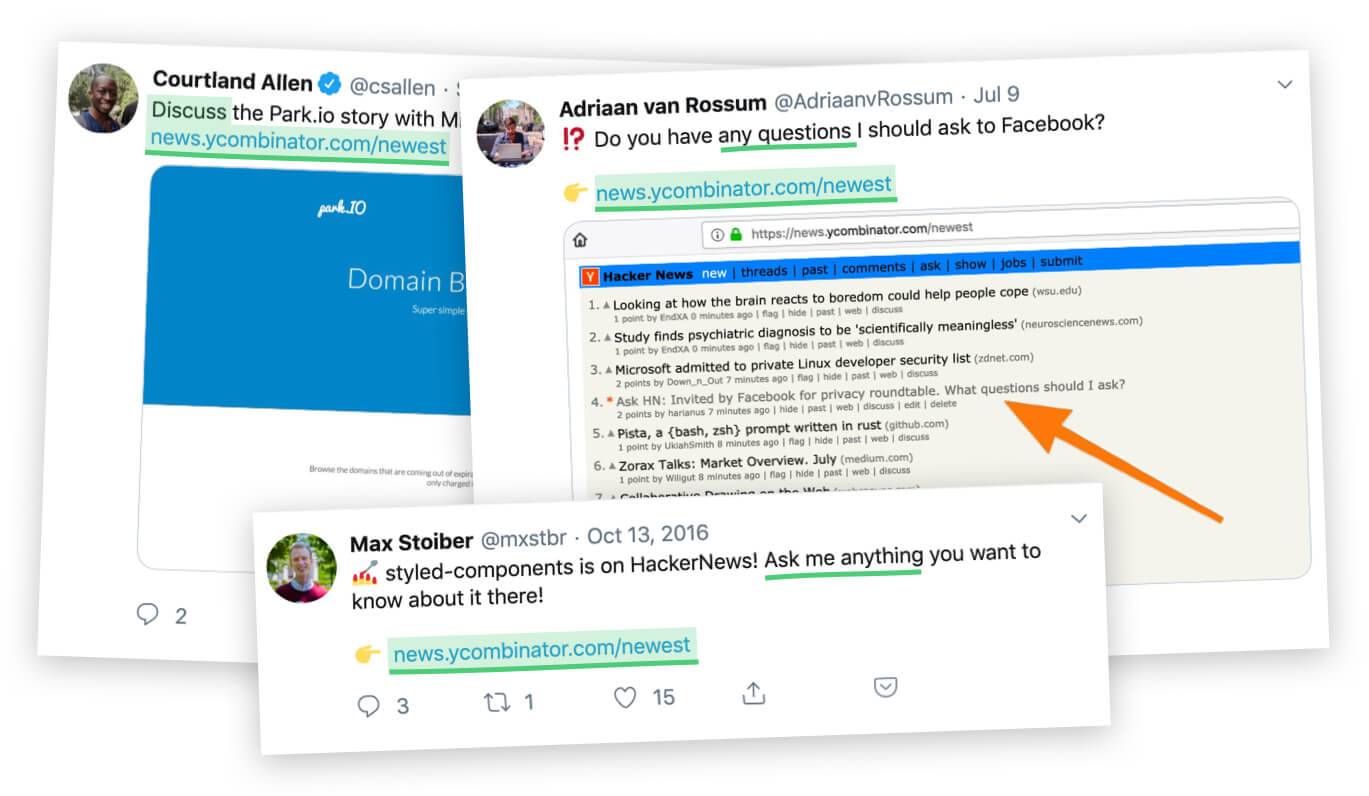
What I’ve noticed some people do is put out a tweet directing people to the newest page. This gives their followers an easy route to find their post.

Tweet Photo Before and After

Notice how the above posters are all encouraging discussion and not asking for upvotes. Requesting upvotes is 100% banned!

Conclusion

So there we have it. 9 months. One big launch, several blog posts, comments and questions, and Adriaan has driven more than 30,000 users to his website from Hacker News.

But to call him a great marketer I think misses the point. On Hacker News a marketer is about as popular as a porcupine on a nudist beach.

Adriaan is a great Hacker News user. He understands the intricacies of the forum, offers thoughtful insight, and is never pushy with his business.

The naked eye doesn’t see self-promotion. It sees someone passionate about privacy. He isn't a marketer on Hacker News, he's a Hacker News user on Hacker News.

One final thought

The point is that once you start hanging with your perfect audience, conventional marketing goes out the window. You don't have to try so hard.

Find the place where your tribe hangs out. Show up, help people out, talk about what you're doing, and the rest will take care of itself.

1 min

How to grow a YouTube channel in 2022

Content

1. Film one longform video

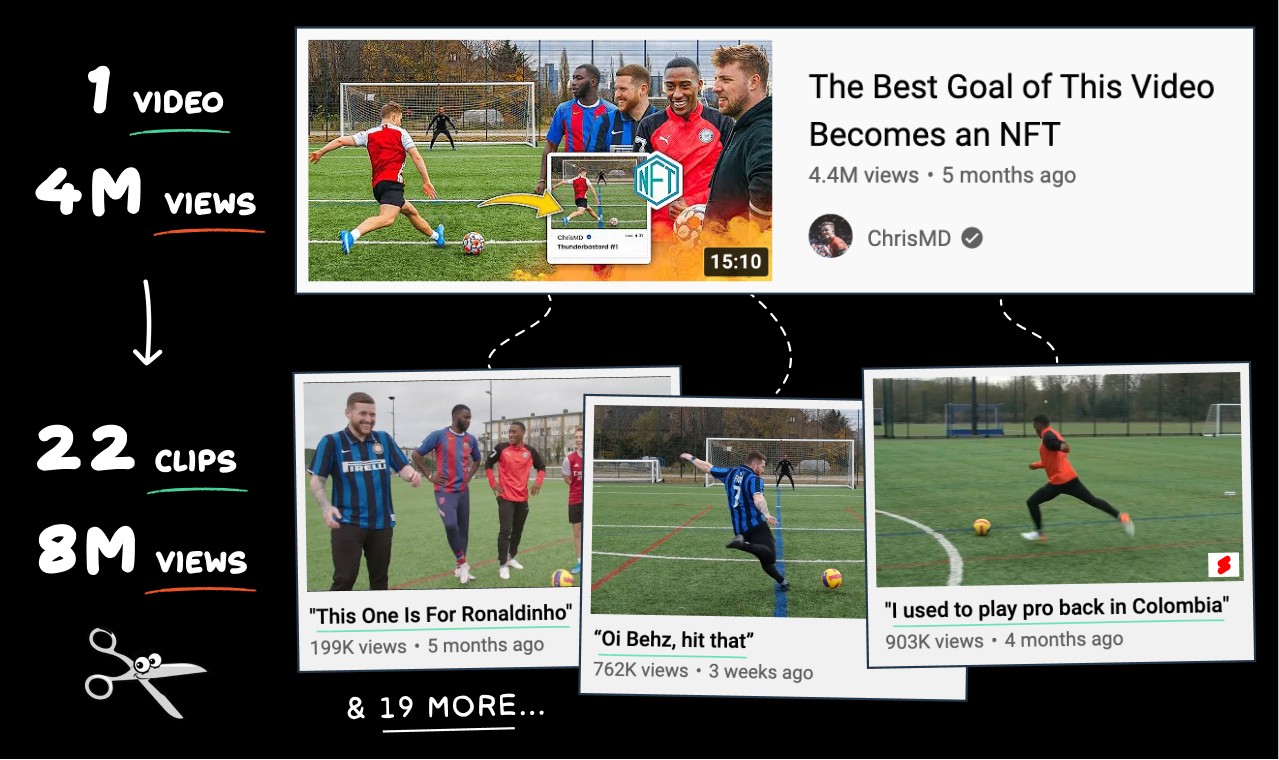
2. To get a dozen clippable moments

Clips attract new fans. Longform satisfies old fans.

Clips YouTube content marketing

Today's sponsor Veed makes it super easy to do this.

— Harry

1 min

How Vogue tapped 5M views from a 3 year old interview

Content

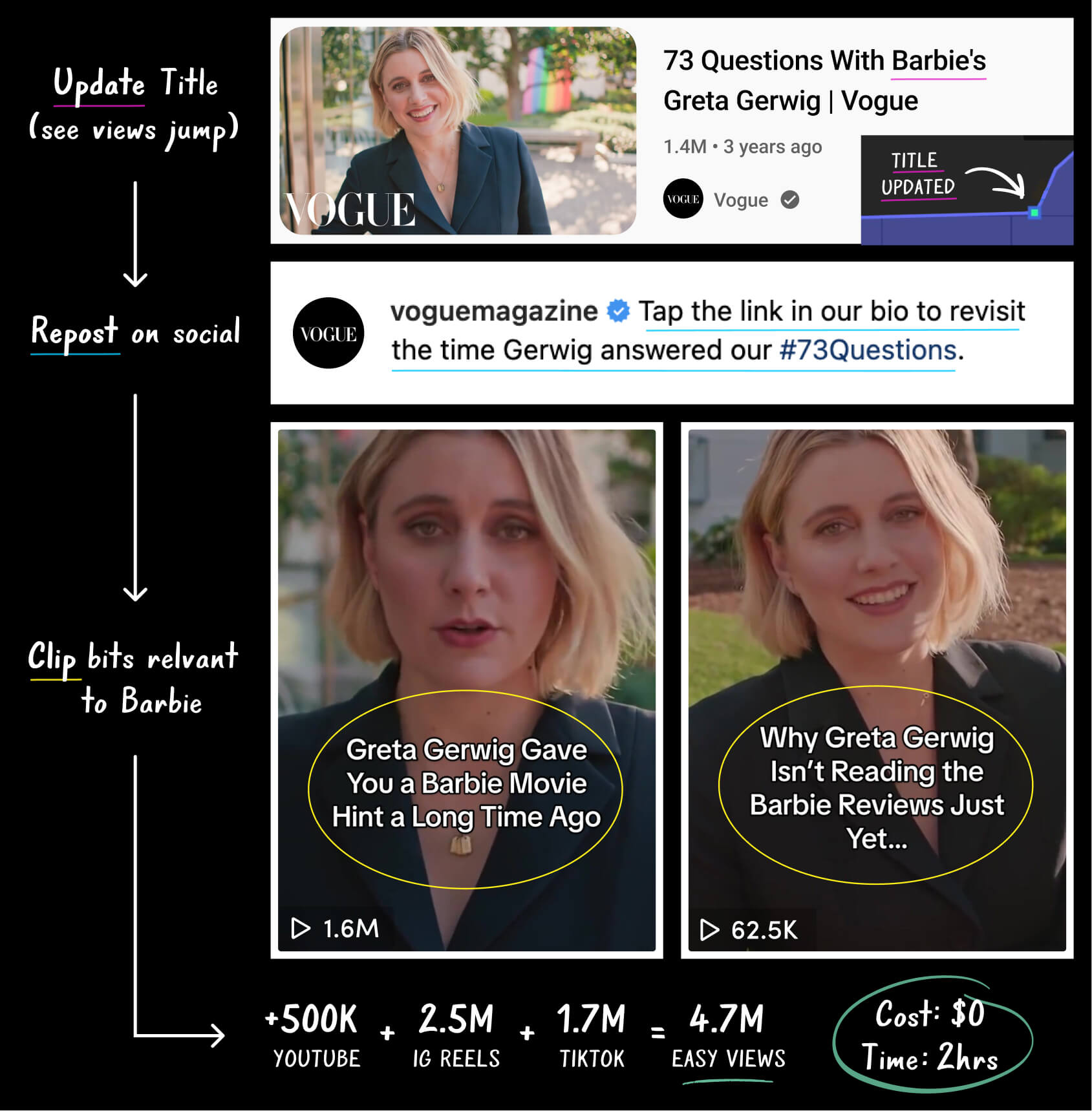
So. Barbie comes out and Greta Gerwig becomes one of the hottest names on the planet.

Lucky for Vogue, they interviewed her 3 years earlier. Tune in for a masterclass in repurposing content.

Vogue Content Repurposing

— Harry

30 secs

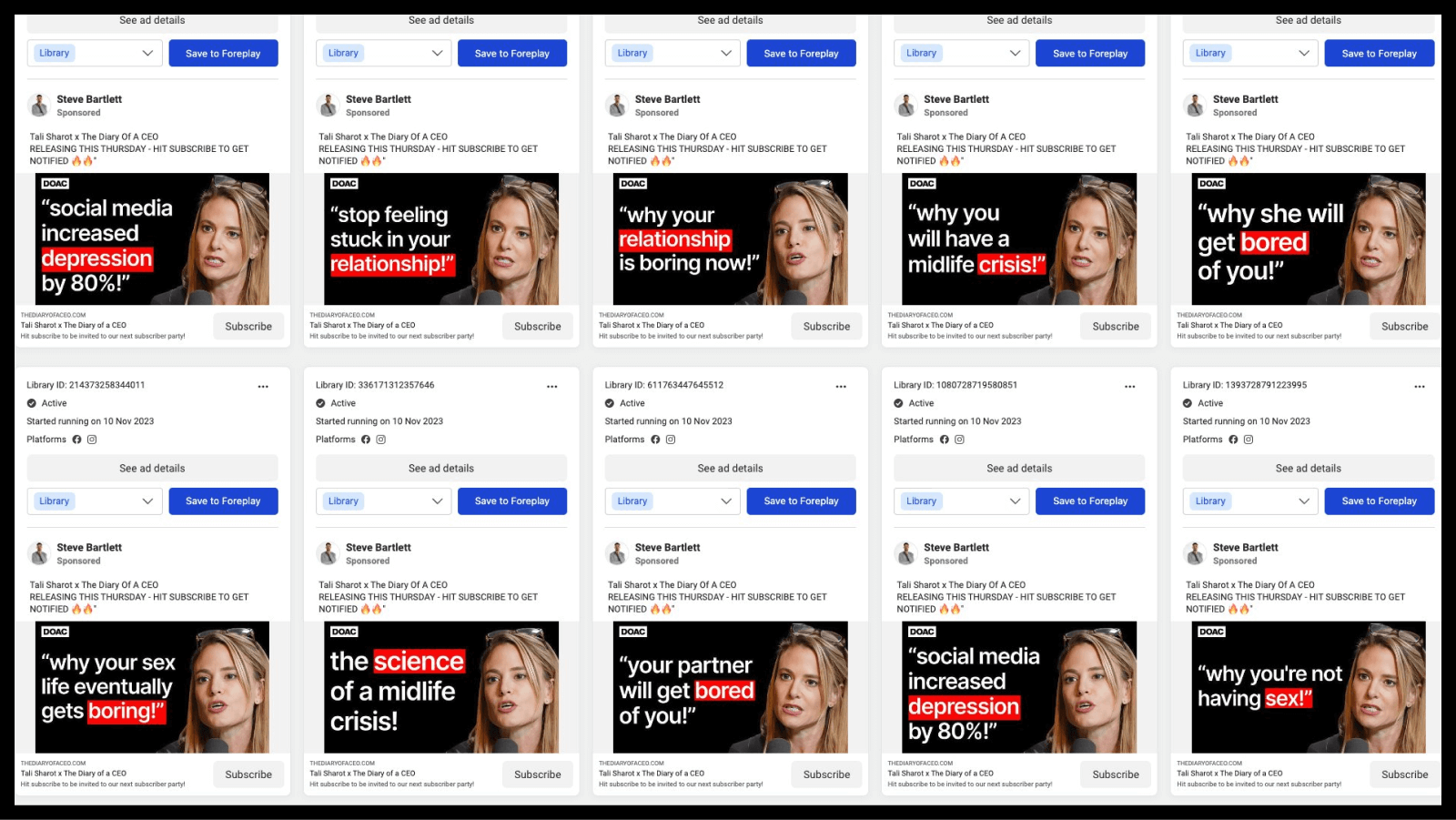
Inside Steven Bartlett's ad library

Content

Fifty small-budget campaigns testing thumbnails for future podcasts. Whichever one has highest CTR gets picked. Clever.

Steven Bartlett's Facebook ad library

— Harry

1 min

Kapwing's YouTube strategy

Content

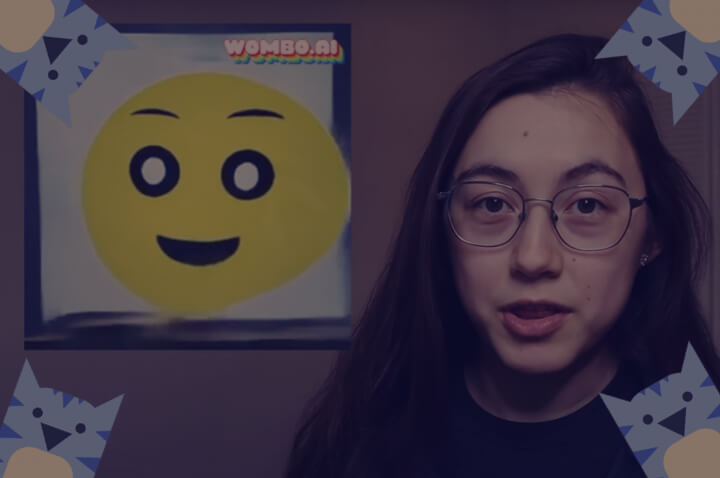
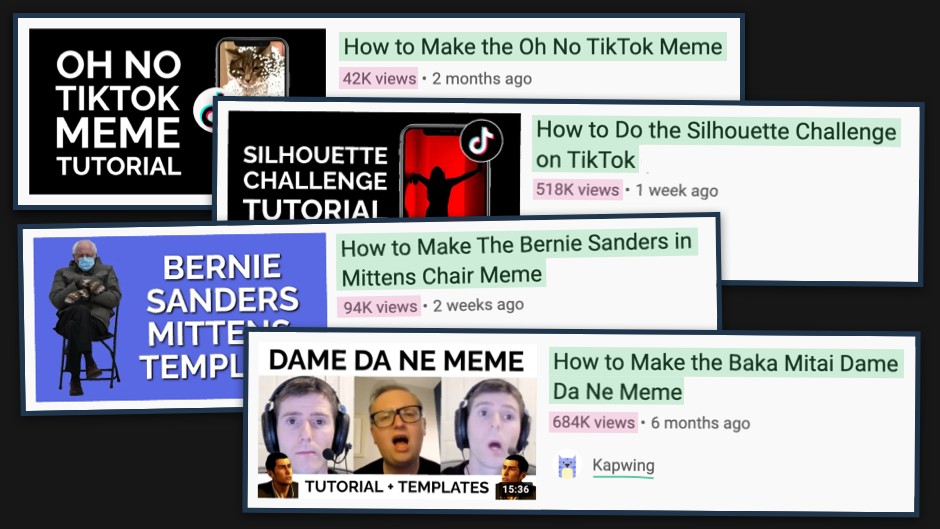
Kapwing's a meme maker. I love their YouTube strategy.

1. Finds memes about to go viral

2. Uploads “how to make meme” videos to YouTube

3. Hundreds of thousands start Googling

4. Watch Kapwing's tutorial

5. Which uses their app to make meme

420k views / week.

TT1
1 min

Taylordle

Content

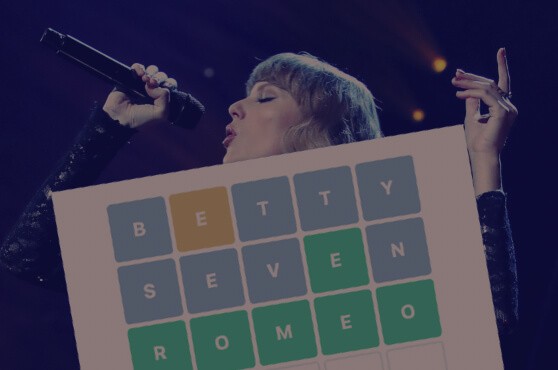
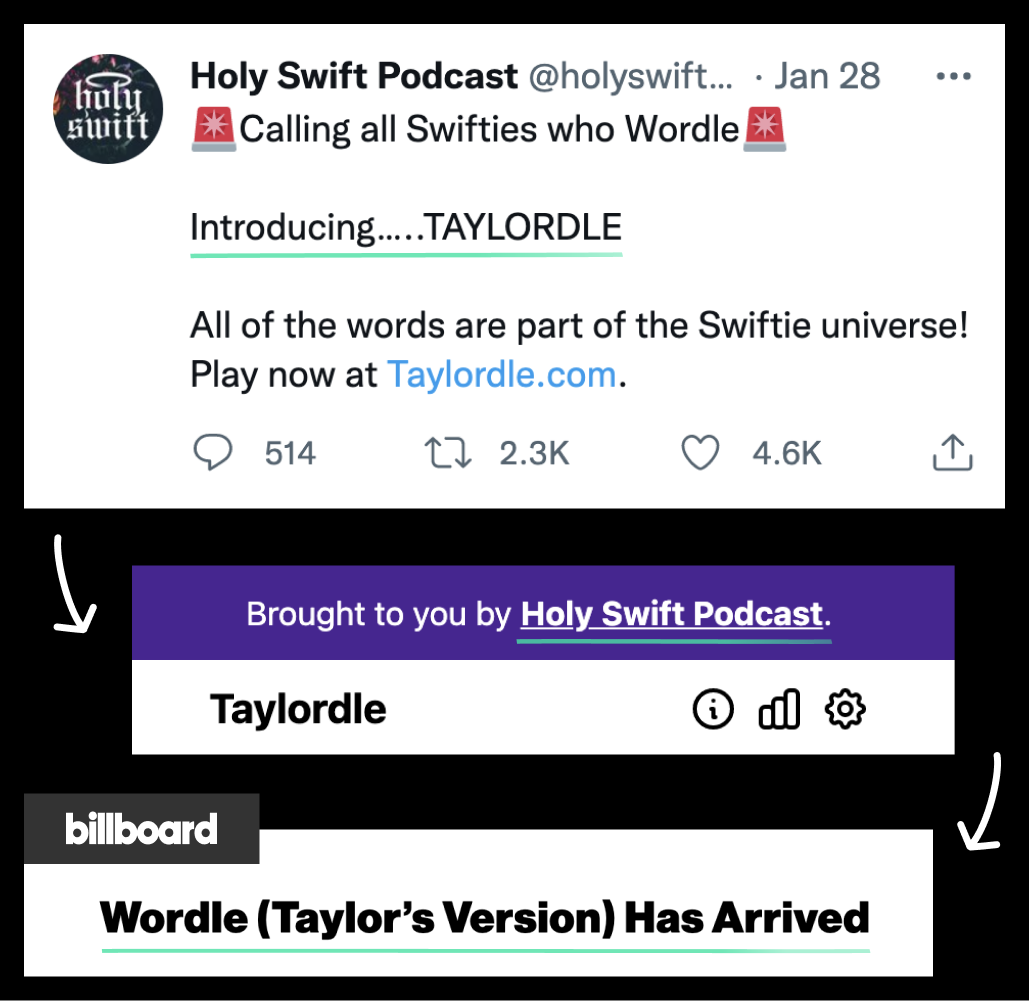
Newsjacking is the art of piggybacking on trending topics to draw attention to your own brand. Yesterday I saw a good example.

A Taylor Swift themed Wordle. From a Taylor Swift themed podcast.

• 2.5M visitors

•100 media placements

• Podcast downloads up 400%

Taylordle
2 mins

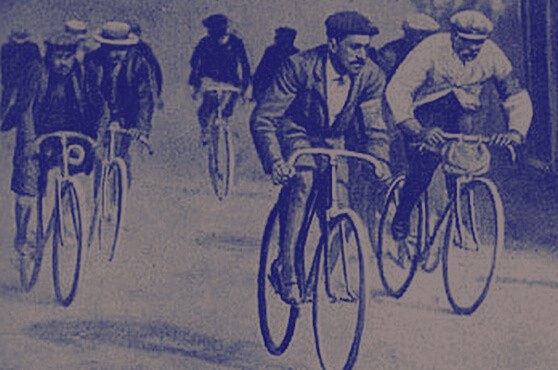
The 1903 Tour de France

Content

Let’s time travel back to France at the turn of the 20th century. There are two major sports papers in circulation: Le Vélo and L’Auto. It’s fair to say they don’t get along.

Le Vélo has just sued L’Auto for plagiarism. And to make matters worse for L’Auto, its circulation is falling week on week and their financial backers are getting restless.

Desperately in need of some fresh ideas, L’Auto calls a crisis meeting.

Cycling correspondent Géo Lefèvre suggests organising a three-week-long bike race around the entirety of France. Editor in chief, Henri Desgrange, likes the idea and three days later L’Auto’s front page announces The Tour de France: the greatest cycling trial in the entire world.

L'Auto announces The Tour de France 1903

For a long time, it looks like Le Tour might be a bit of a disaster. With just a week to go only 15 riders are signed up. Desgrange delays the start date, introduces a 20,000 franc prize purse, and promises to pay the expenses of the first 50 riders who sign up.

And it works. At 3:16 P.M. on Wednesday 1st July 1903, 60 riders depart from Cafe au Réveil-Matin in Paris. The 1st stage of Le Tour is underway.

Gazzetta dello Sport announces Il Giro D’Italia

The dramatic writing in L'Auto's daily reports captivates the imagination of the French public. Throughout the 1903 tour L’Auto’s circulation grows from 25,000 to 130,000 and old rival Le Vélo is forced out of business.

The coming years see the profile of the tour rise, and with it so does L’Auto’s readership. By 1908 circulation reaches 250,000, by 1923 it reaches 500,000, and in 1933 it peaks at 850,000.

To put in perspective that’s nearly double the New York Times current weekday circulation.

L’Auto’s meteoric rise doesn’t go unnoticed. Six years after the launch of Le Tour, Italian sports paper, Gazzetta dello Sport organises the first Giro D’Italia and following their success Spanish paper Informaciones organises La Vuelta Ciclista a España.

Gazzetta dello Sport announces Il Giro D’Italia

It's quite remarkable really. The three largest cycling stage races in the world today all started as “side projects” hoping to increase readership of their parent newspaper.

1 min

The content marketing sweet spot

Content

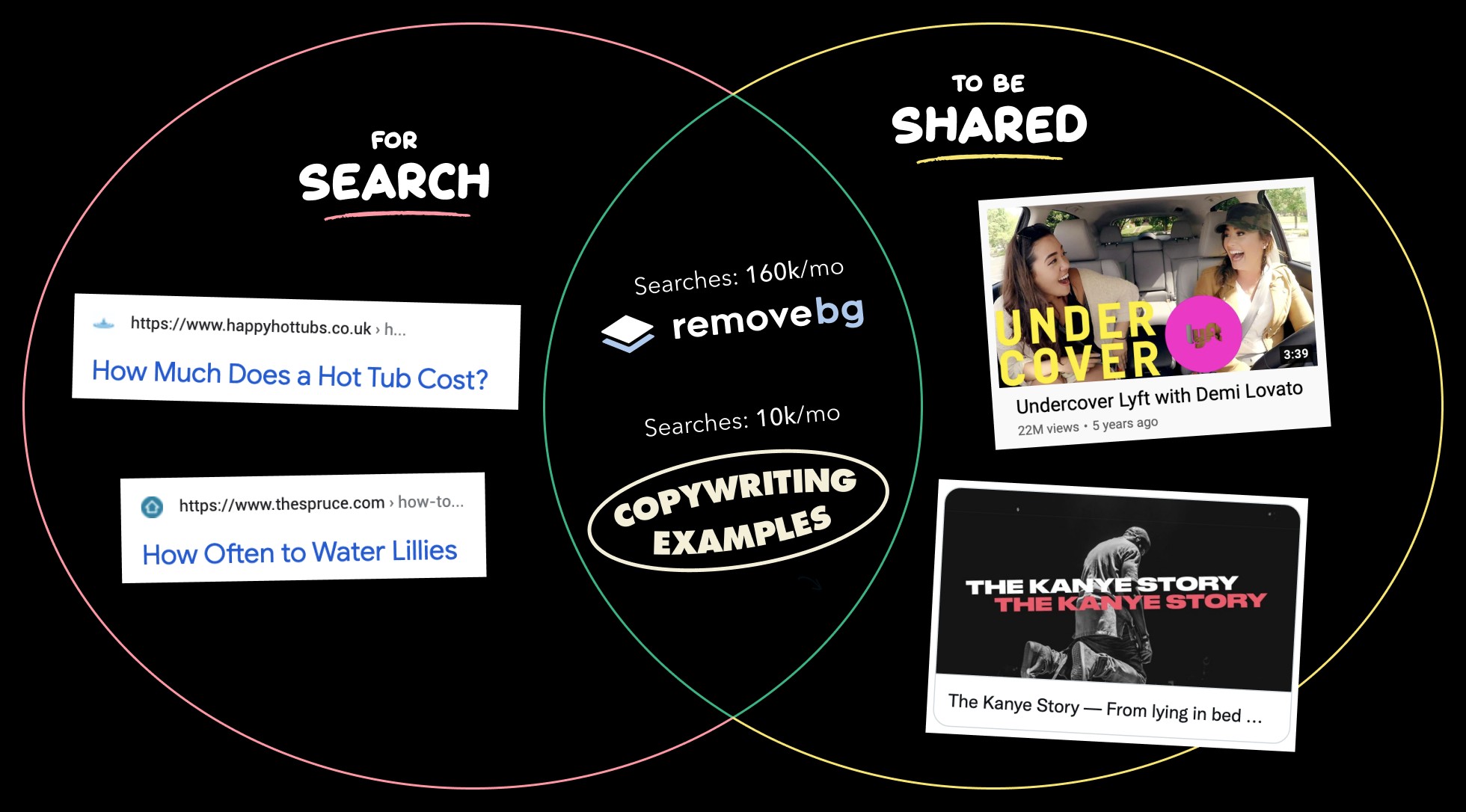
There's two ways people discover content.

1/ By searching for it (blog posts, video tutorials)

2/ By people sharing it (podcasts, free tools, visuals, ebooks)

Occasionally a piece of content does both. It hits a big keyword AND it's so awesome people share it. I call this the content marketing sweet spot.

Four CTA's

— Harry

3 mins

The key to self promotion on Reddit

Content

Reddit is a bit of an untapped goldmine for marketers. The site is made up of thousands of niche communities (subreddits). This gives an opportunity to communicate directly with your audience, and if your post rises to the top benefit from some pretty major traffic.

The problem

The problem is on the majority of subreddits you’re not allowed to self promote. This is certainly a grey area because people still do. But the Reddit crowd are a tough bunch to impress and most of these posts get ignored.

The question is: How do you self promote on Reddit and get away with it?

The solution

Provide upfront value. I’ve seen the following pattern play out time after time on Reddit:

1. Get attention with upfront value.

2. Build goodwill

3. Slide in self promotion

4. Everyone's happy

Let’s see it in action:

How to do it

Trennd is a business which helps entrepreneurs uncover the next emerging trends. Josh (the founder) posted on Reddit listing 57 exploding trends:

Trennd Reddit Promotion

This bought goodwill, earning him the right to promote his own site.

Trennd Promotion Comments

And benefitted from a nice traffic spike as a result.

Trennd Promotion Traffic

Another example

u/SweatyStartup wrote short summaries of the 19 best business books. It's been the top post on r/Entrepreneur for the past couple of days.

Sweaty Startup Reddit Promotion

The upfront value got people's attention. He then slipped in his CTA at the end:

Sweaty Startup Subreddit

How not to do it

The antithesis of the “upfront value” post is the “Look at me!” post.

Here, u/PeanutBAndJealous naively assumed that the people of Reddit would care about his podcast. Pro tip: no one on Reddit cares unless you give them a reason to.

How not to promote on Reddit

How could you rewrite this post? Well, the podcast is about how startups get their first 1000 users. So a better title would be:

How the world’s ten biggest startups got their first 1000 users

Then, after offering upfront value you could slide in the self promo at the end.

A title which promises upfront value will get 100 times more attention than a title asking you to “Look at me!”. People come to r/entrepreneur to learn, not to look at poorly executed side projects.

3 mins

The marketing genius of Andrew Schulz

Content

Part 1

Let’s start in 2017.

Andrew Schulz had been killing it in the New York comedy clubs for over a decade. But no network would give him a shot.

So he spent $25k filming his own special. And handed it to the networks on a plate. They still said no.

Schulz realised he was going to have to make it alone. So he started analysing how people actually watch comedy.

I asked all my friends about different specials and they all said the same thing, “Yeah, it was good. But I didn’t finish it.”

I figured the hour is too long.

So Schulz cut his special down to 16 minutes and put it on YouTube.

Andrew Schulz 4:4:1 Special

He already had some subscribers from years of podcasting there. And it started getting traction.

YouTube was working. So I started treating my YouTube channel like my own network.

With every new joke his channel grew. But coming up with fresh comedy every week was insane.

So Schulz started honing his improv. Because learning to roast the crowd meant new content every night.

He'd film every show. Sometimes 7 in one weekend. Hoping to get one electric clip for YouTube.

Andrew Schulz comedy roasts

Between 2018/19 Schulz uploaded 125 bits of live comedy. Contrast this with the comic who puts out one special a year.

100 clips is 100 ways of discovering me. An hour on Netflix is one.

And who wants to listen to a stranger for an hour? But you'll listen to a 2-minute clip if a friend sent it to you.

YouTube Vs Netflix for marketing

In two years his channel grew from 140k to 840k.

Part 2

March 2020. Schulz was midway through his first worldwide tour. Then Coronavirus hit.

Most comedians were screwed. Schulz built a studio and started doing Late Night style monologues.

Except, the jokes weren't watered down to please network execs. Schulz was unfiltered. And people resonated.

For instance, contrast a “network” joke about Joe Biden with a Schulz one.

Another thing Schulz nailed was distribution. He tailored his monologues to fit each social media platform.

On Instagram he'd get your attention with a one-line intro. Then ask you to “turn your phone” to stop you scrolling by.

Schulz put out 17 monologues in 17 weeks averaging 2M views. That's more than the comedy networks who'd ignored him for 5 years.

* * *

Schulz’s story isn’t about comedy. It’s a lesson for anyone wanting to do anything.

When the gatekeepers don't let you in, start your own thing. Fail until it works. Then keep going until you've got momentum.

Schulz retells this Chris Rock story that sums it up:

“You see someone on the side of the road with their car broken down. You drive by. But if you see somebody pushing their own car, you stop and help.”

I was an entitled little f***ing brat whining about not having a special. I helped myself. Then people helped me.

Andrew Schulz and Joe Rogan

Support

Thanks for reading. If you'd enjoyed the story, I'd appreciate if you joined the email list. I share a new case study, like this one, each week.

— Harry

3 mins

Using GIPHY for free brand awareness

Content

Giphy serves 7 billion GIFs and stickers to 500 million people every single day. Their API powers pretty much every messaging app out there: Facebook, Twitter, Instagram, TikTok etc .

This has opened up a novel way for brands to get exposure. All you need is a Giphy brand channel. Then any GIF you upload is publicly available on Giphy's search engine. And there's nothing stopping you slipping in your logo, product, or even URL.

For example, if you open up Facebook Messenger and search for a Premier League footballer you'll see the BT Sport logo in the top right-hand corner. A reminder that they own the rights to Premier League matches:

Levelling the playing field

While Google Search is dominated by big companies and backlinks, Giphy search is more of a level playing field.

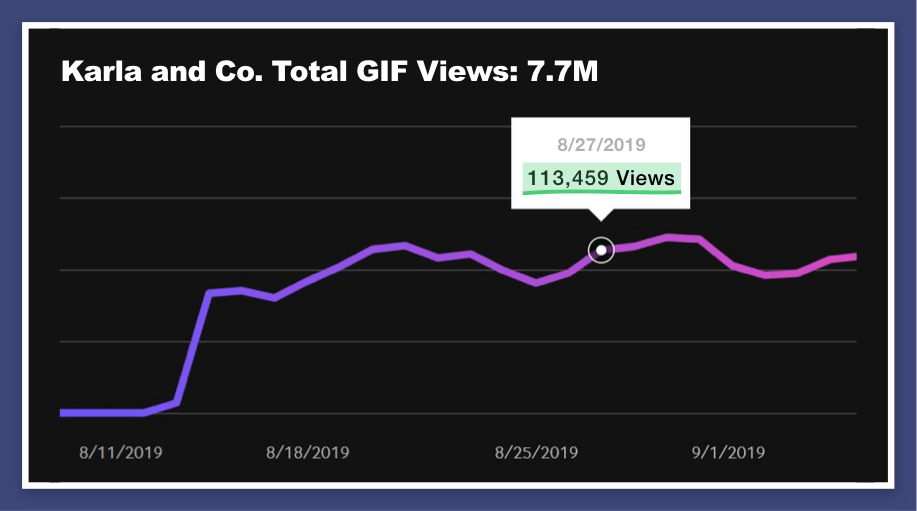
Take Karla and Co., a home-run, Latina clothing brand. They have no real presence on Google. But on Giphy they can pull in 100,000 views each day from just 16 sticker uploads:

Marketing Examples Product Hunt

The key is creating GIFs which both match what your audience might search for and have little competition.

For example, one of Karla's stickers is of the Latin American phrase “Ay Mama”. It's the only sticker on Giphy with this tag, so anyone searching just sees their sticker and crucially their URL:

Who should be doing this?

Currently, it's consumer brands who are jumping on this strategy. For instance Starbucks domination of the Pumpkin Spice Latte search term alone pulls in more than 1M+ daily views.

Marketing Examples Product Hunt

But that's also where most of the competition is at. If you’re in the tech world, for example, very few keywords are tagged.

Stickers or GIFs

One final consideration is whether to make GIFs or stickers.

GIFs have solid backgrounds. Stickers have transparent backgrounds. And Giphy has separate APIs for each which different apps plug into.

Facebook, Twitter, and WhatsApp use the GIF API. Instagram, TikTok, and Snap use the sticker API. So your decision depends on what platform your audience hangs out on.

For example, Tennis TV's audience exists on Twitter and WhatsApp. So they make GIFs. Pretty Little Thing's audience exists on Instagram and Snap. So they make stickers.

Marketing Examples Product Hunt

In Summary

1) Create GIFs which match what your audience might search for

2) Add your logo, product, or URL

3) Upload to Giphy and tag with relevant keywords

4) Make 5 GIFs. Then you can apply for a free brand channel.

This last step is crucial. Only with a brand channel are your GIFs publicly searchable. And to be accepted the GIFs you make must be original content. I learned this the hard way after all my Startup GIF's were rejected.

Appreciation

Thank you to Bryan Butvidas from Board Me for explaining this trick to me.

Support

And thank you for taking the time to read. If you liked it, joining the email list or is really appreciated:

2 mins

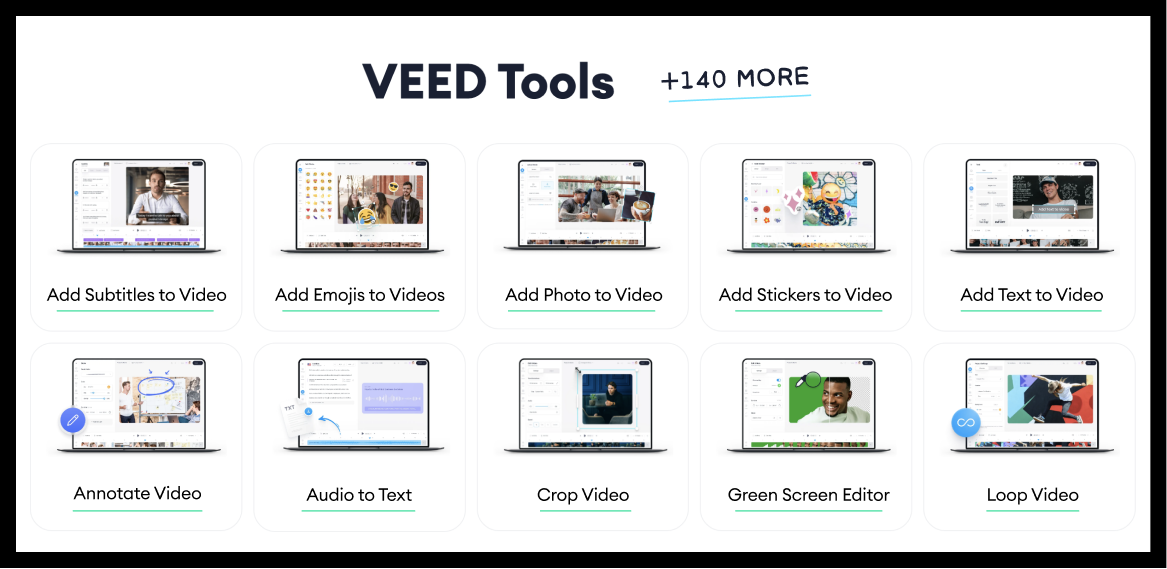
Veed, Miro and Canva's strategy in one line

Content

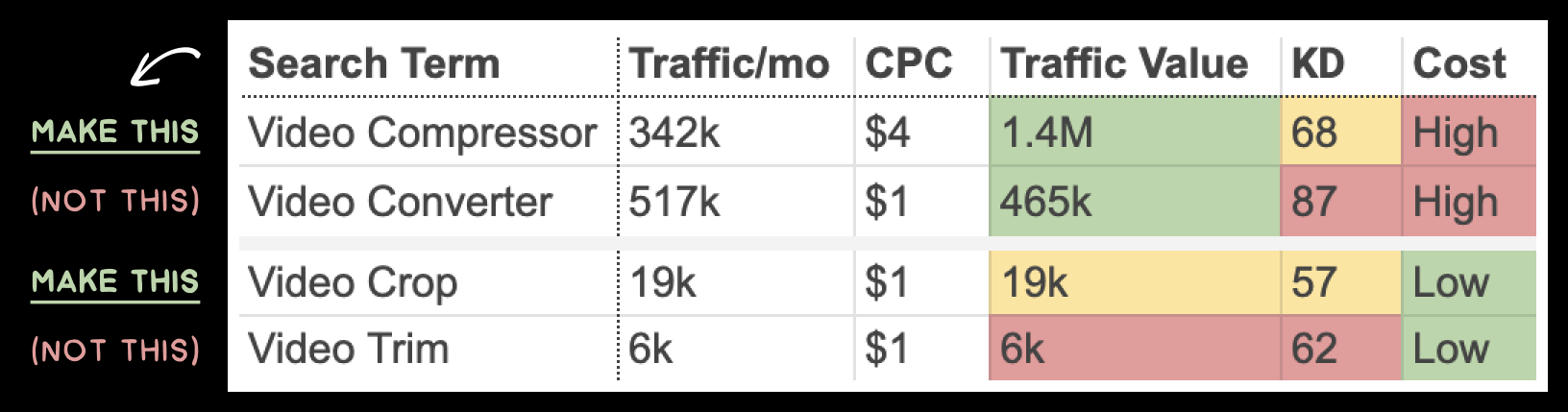
Make stuff people search for

It's clever because it simultaneously validates demand (people are searching) and distribution (you reach them via organic search).

The result is hundreds of tools and templates in cute little subfolders.

1/ Veed.io/tools - $1.1M/mo traffic. 150 tools.

2/ Miro.com/templates - $240k/mo traffic. 311 templates.

3/ Canva.com/templates - $491k/mo traffic. 1000+ templates.

Veed Content Marketing SEO

How does this work practically?

Well, you start by making a list of everything customers might search for. Then you're looking for a combination of high traffic value and low keyword difficulty and cost. (you reach them via organic search).

That's the most valuable thing to make.Little Veed Content Marketing Excel Graph

Thanks to the one and only Sabba, Veed's CEO, for this example.

— Harry

3 mins

“Michelin Guide” Marketing

Content

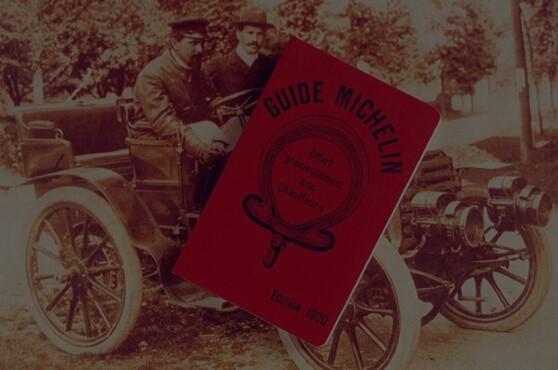
Clermont-Ferrand, France, 1900.

Andre and Edouard Michelin had just started making tyres.

The problem was there were less than 300 cars in France.

So hoping to encourage car ownership they published the world's first Michelin Guide.

It was the ultimate guide for new motorists: maps, instructions on how to change tyres, locations of fine restaurants, etc.

And they printed 35,000 copies and gave them away for free.

Over the next decade the number of motorists soared. And so did demand for the guide.

The brothers started charging 7 francs and ramped up distribution. By 1908 different versions were being sold throughout Europe.

Michelin Guide content marketing

It would have been easy to rest on their laurels. But each year the brothers took pride in improving the guide.

Shortly after the First World War they hired inspectors to visit restaurants. And the first Michelin stars were awarded.

By 1930 each new edition was a regular on France’s bestseller list.

Why am I telling you this?

Well, The Michelin brothers made something so useful they never had to worry about selling tyres.

Car enthusiasts loved the Michelin Guide. What sort of tyres do you think they bought?

Confessions of an Advertising Man

In 1962 David Ogilvy had 19 clients.

He took a long vacation to write about everything he’d learnt from 14 years in advertising.

Confessions of an Advertising Man sold 1 million copies. And in two decades Ogilvy's agency grew to 3000 clients and 267 offices around the world.

Ogilvy content marketing — Confessions of an Advertising Man

River Pools

After the 2008 recession River Pools were on the brink of collapse.

They cut their $250k marketing budget and started writing blog posts answering every single question customers had ever asked them.

700 articles later they'd built the Wikipedia for Fibreglass pools. It saved their business. Every month pulling in 300k visitors to their website.

River Pools content marketing

Planterina

When Planterina started selling plants, their founder, Amanda, set up a YouTube channel.

Her goal wasn’t to sell plants. But to be the place to learn about plantcare.

Two years (and 180 videos) later the channel pulls in 110,000 views every single day!

Planterina content marketing

I'm re-telling these stories because their lessons have been forgotten.

Throwing a blog on a website and churning out content is the status quo. But what does it really achieve?

Content is winner takes all. The top 1% gets 99% of the attention.

So set out to create the single best resource for your niche.

And don't expect immediate results. Content compounds in a way other marketing channels can't.

Content marketing compounds

Support

Thanks for reading. If you'd enjoyed the story, I'd appreciate if you joined the email list. I share a new case study, like this one, each week.

— Harry

5 mins

17 tips for great copywriting

Copywriting

1) Write with your eraser

You get 100 bucks for every word you rub out from your title:

Trello landing page

2) Don't exaggerate

An honest line always feels warmer:

Volkswagon old ads

3) No one cares what you can do

Everyone cares what you can do for them.

Apple iPod original ads

4) Avoid the passive voice

It's indirect and awkward:

Passive voice

5) Don't kill your personality

The best brands feel “real”:

Andie's CEO email

6) Avoid “landing page words”

Unlock, unleash, enhance, exceed, empower, supercharge, etc.

Real people don't use them.

Frontend mentor copywriting

7) Find the tension

“Pleasant” gets forgotten. Conflict creates interest:

Lemonade landing page copywriting

8) Write how you talk

Casual. Colloquial. Full of pronouns:

Basecamps landing page copywriting

9) Avoid “contained” titles

Write something that pulls your reader down your page:

Zenbu landing page copywriting

10) Write scannable copy

Formatting matters:

Everyone scans Frank Kern

11) Stories make you memorable

I couldn't list The Ten Commandments. I could tell you what happened to Adam and Eve:

Adjective and verb tips

12) More periods, fewer commas.

Periods mean short sentences. We like short sentences.

Commas mean long, painful sentences, like this one, which New Yorker writers think are clever, but real people find torturous, because they wind on and on without actually saying anything.

h/t David Perell

13) Kill adverbs. Kill adjectives.

They're flowery. They're vague. They try too hard:

Adjective and verb tips

14) Think slippery slide

Every line of copy should lead to the next.

Watch this ad. You won't be able to stop:

15) Fence sitters don't buy

Go to the edge:

Ernest Shackleton copywriting

16) Your first line is crucial

If people don’t read it, they’re not going to read your second line either.

Keep it short:

Joe Sugarman copywriting

17) Copywriting is selling

Don’t romanticize it. The goal isn't to be clever or cute.

The goal is to inspire action:

Drift copywriting

You made it!

Damn. This was a long one. I won't lie.

If you enjoyed this, you'll like my new project Copywriting Examples. It's the world's best copy. In one place. 330+ handpicked examples. All free.

30 secs

27 words that sum up the psychology of copywriting

Copywriting

People will do anything for those who

• Encourage their dreams
• Justify their failures
• Allay their fears
• Confirm their suspicions
• And help throw rocks at their enemies

— Blair Warren

Red Bull marketingManual Healthcare marketingBest time ever to get braces billboardDuckDuckGo billboardLane Bryant #ImNoAngel campaign

S/O Copy With Amanda where I read this quote.

Support

If found this useful, you might like my email list. I share a new case study each week. Short, sweet, and practical!

— Harry

3 mins

7 practical ways to write copy that converts

Copywriting

1) Use value-based messaging

Talk less about your product and more about the value your product brings. People don’t want a better toothbrush. They want a brighter smile:

Value-based messaging

2) Get specific

Landing page copy is full of unfalsifiable, blanket claims: “more, easier, faster ...”

If you want to stand out get specific. You can’t bullshit specifics:

Get specific in copywriting

3) Call out the type of customer you serve

People pay attention when they know something is specifically for them:

Call out the type of customer you serve

“What? Loads of authors are using this. I’m an author. Maybe I should be too ...”

4) Think “Call-to-value” not “Call-to-action”

Buttons which amplify “value” over “action” usually perform better. “Create Your Website” is more enticing than “Sign up now”:

Call-to-value

5) Write for one reader

You're not talking to 1000 people. You're talking to the single person reading your page. So write like it.

An informal tone and addressing your users personally (“you”) makes a big difference:

Podia's Intercom message

6) Break long blocks of text into appetising chunks.

Better converting copy is as much about repackaging as it is rewriting.

The 2019 human mind prefers “3 simple steps” to “two long paragraphs”:

3 simple steps copywriting

7) Use your customers' voice

Your copy should read like your customer wrote it.

Compare the feature page of Etsy and Amazon Handmade (two competitors in the handcrafted e-commerce space):

Use your customers' voice

Etsy's voice reflects their customers independence, creativity and imagination. Amazon’s voice sounds like their accounts department:

Use your customers' voice copywriting

Summary

So there we go:

1) Use value-based messaging

2) Get specific

3) Call out the type of customer you serve

4) Think “Call-to-value” not “Call-to-action”

5) Write for one reader

6) Break long blocks of text into appetising chunks

7) Use your customers' voice

That's all folks

If you enjoyed this, you'll like my new project Copywriting Examples. It's the world's best copy. In one place. 330+ handpicked examples. All free.

2 mins

Bou's Near-Perfect Google ad

Copywriting

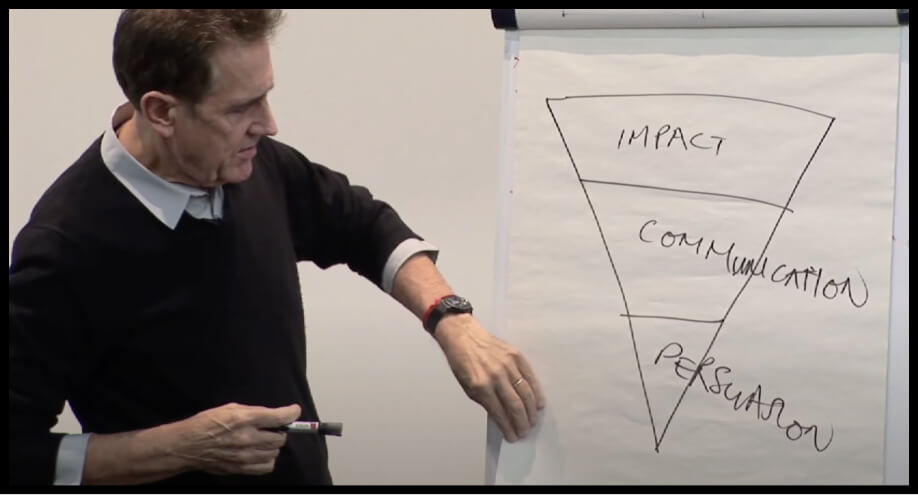
Ten years ago Dave Trott drew a triangle on a flipchat and said “every ad needs three things”.

- Impact: “You've got to get noticed”

- Communication: “You've got to tell me what

- Persuasion: “You've got to tell me why

Dave Trott Drawing on a Flipchart

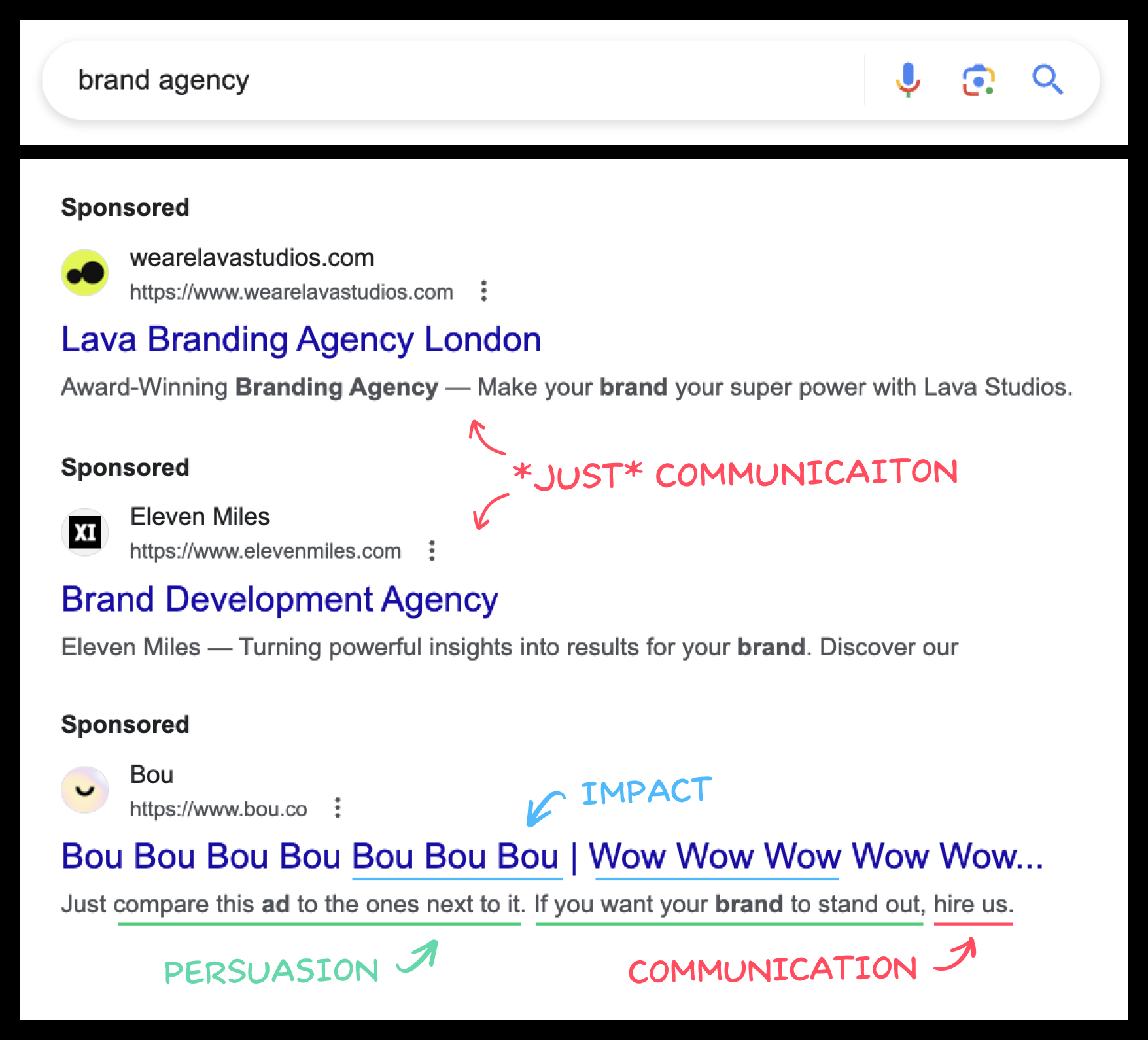
Most ads just do the “communication” part.

- “We're a brand agency”

- “No s***. I just googled that”

Look what happens when you do all three.

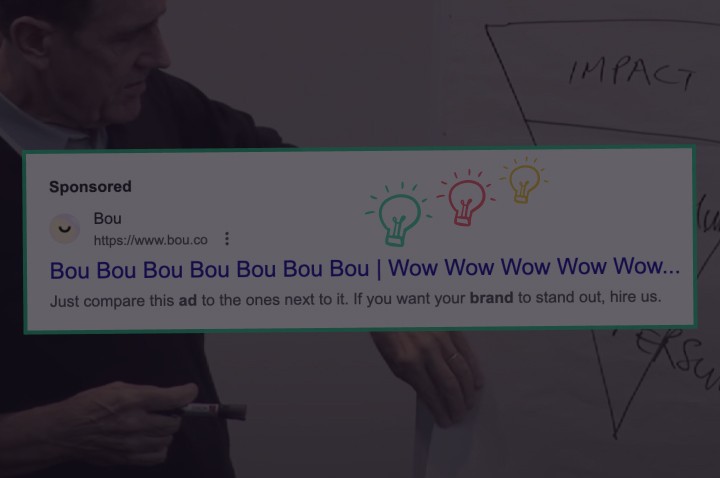
Bou's Display Ad

Jesse from Bou tells me it's their best performing ad.— Harry

1 min

Copywriting is more like math than you suspect

Copywriting

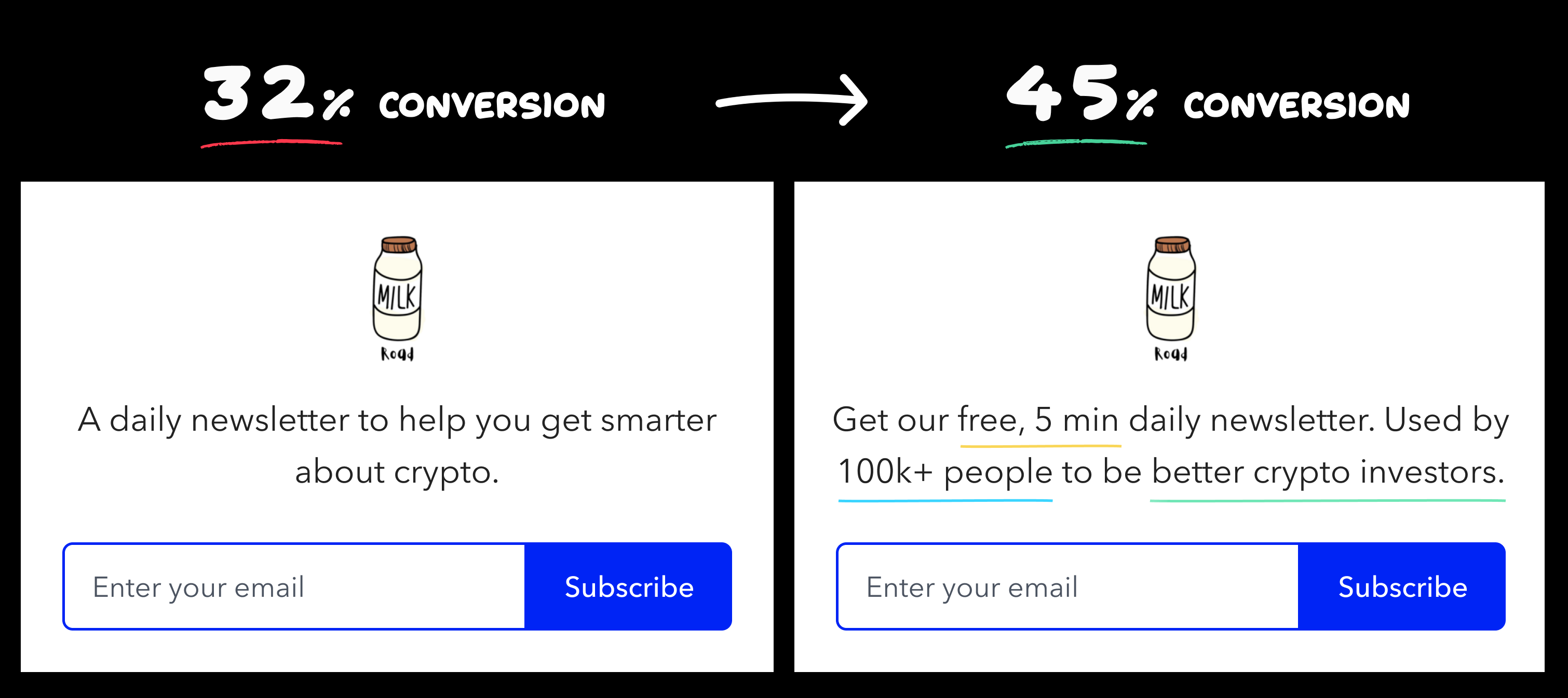
Objection Handle. Social proof. Actionable outcome

Two minute tweak. Thousands of extra subscribers.

Milk Road

— Harry

30 secs

Four (not boring) ways to name a new product line

Copywriting
Naming a new product line

— Harry

2 mins

How Steve Jobs clarified Apple's message

Copywriting

January 1983. Apple finish production of their new computer, Lisa.

They launch it with a nine-page ad in the New York Times.

It's nine pages of geek speak. Nobody outside NASA is interested. Lisa sells just 10,000 units.

Apple 1983 New York Times ad

Fourteen years later, Steve Jobs returns to Apple.

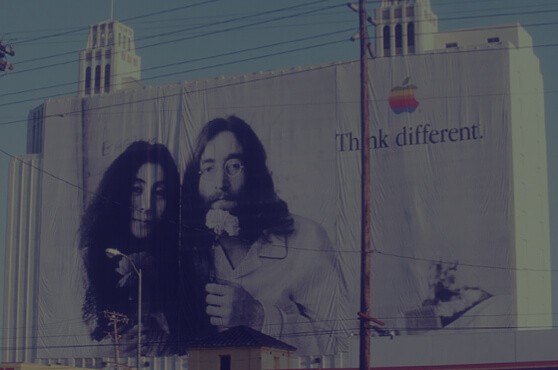
In his first campaign back he reduces nine pages in the New York Times to two words on billboards across America: Think different.

Apple Think Differnt: Moon landing

There would be no computers in the ads. No technical jargon. No noise.

Jobs realised that people don’t buy the best product. They buy the best story. So that's what he sold:

You see greatness. You want to emulate it. Apple is how you get there.

Steve Jobs storyteller

It's a simple story. Light on calories. And it stuck.

The campaign ran for 5 years. And is credited for turning Apple's fortunes around. Think Different is still printed on the back of some Apple computers today.

Credit

Credit to the excellent book Building a StoryBrand by Donald Miller where this example comes from.

If you'd like to learn from one new marketing example each week please do join the email list .

2 mins

Let your customers write your copy for you

Copywriting

The best copy reads like your customers wrote it.

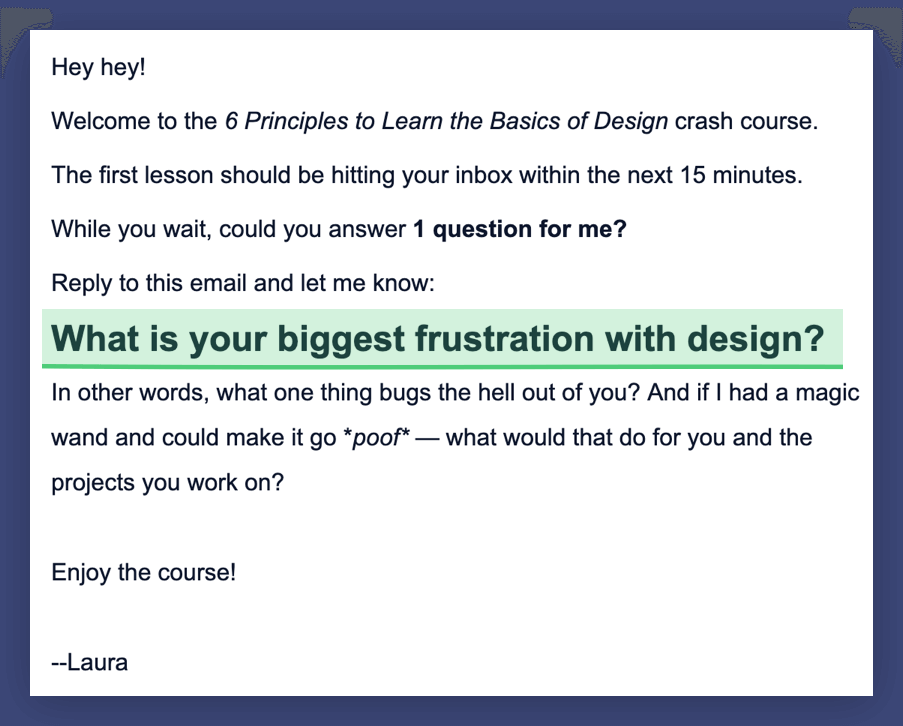
In the case of Design Academy, this is quite literally the case. On sign up you get sent an email asking “what is your biggest frustration with design?”

Design Academy email

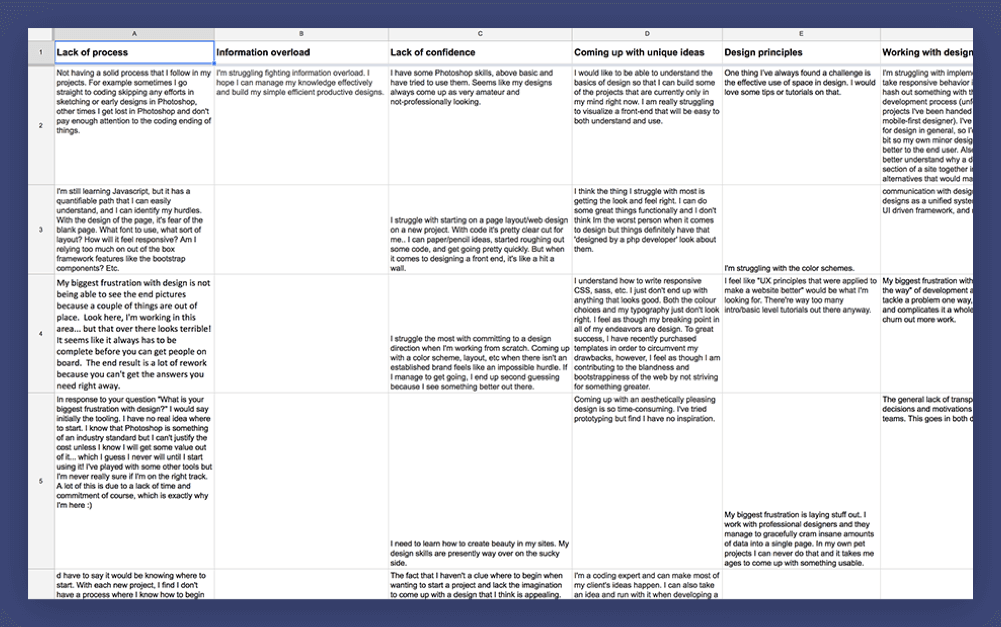
The answers are then saved in one big Google sheet:

Design Academy Google Sheets

This means when it comes to writing landing page copy Design Academy don't have to guess. They know exactly who their customer is, the language they use and the pain points they want solved.

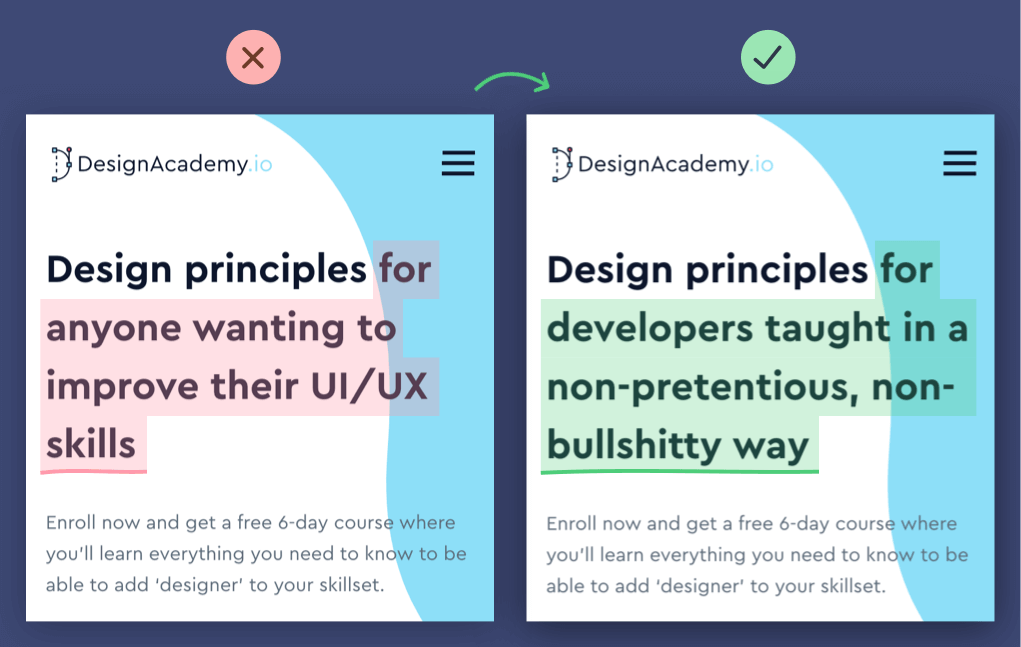
Instead of writing “catch-all” copy they can write specific copy talking directly to their customer:

Design Academy before and after copy

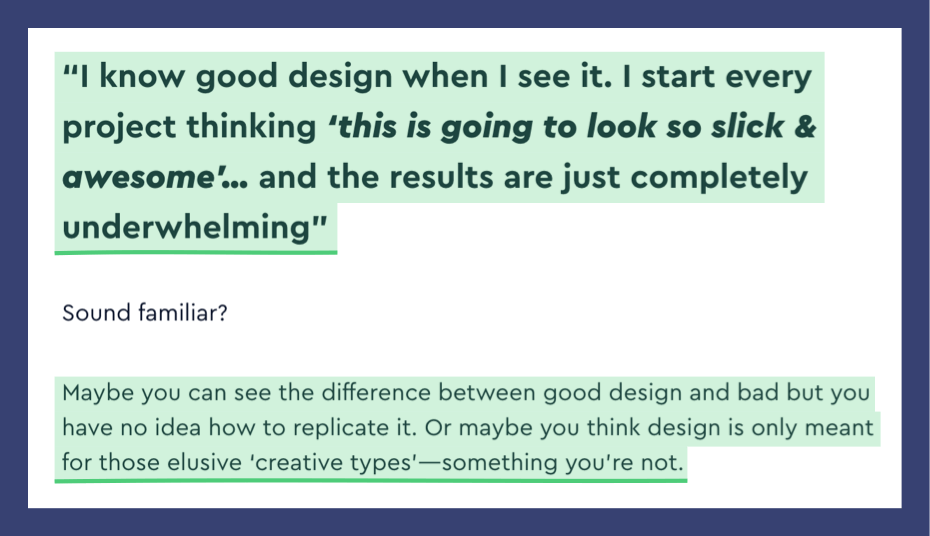
Take the following paragraphs for example:

Design Academy Copywriting

To quote Laura from Design Academy:

We didn’t write that. Our customers wrote that. It was a recurring statement that we heard over and over and over again. All we did was listen.

Copywriting doesn't require the perfect line or a flash of inspiration. Just ask your customers questions and let them do the work for you.

Nod of Appreciation

This example comes from an excellent blog post Laura Elizabeth wrote on how to write landing page copy.

Support

If you'd like more real world marketing examples joining the email list is appreciated.

4 mins

My guide to conversational copywriting

Copywriting

Conversational copy is writing how you talk.

No sales megaphone. No business speak.

But that's easier said than done. So I've put together this guide:

1/ Don't write AT the reader

Involve the reader in your copy.

Dave Harland copywriting

2/ Use your customers' words

It's the easiest way to get the tone right.

Use your customer's words

3/ Load up on personal pronouns

People pay attention when you talk directly to them.

Personal pronounds in copywriting

4/ Don't worry about grammar

If you break the rules you’ll sound human.

Wendy's Twitter copywriting

5/ Start sentences with conjunctions

It flows better.

Conjunctions in copywriting

6/ Don't persuade

Let the reader be persuaded.

Persuasive copywriting

7/ Use contractions

Only academics say “you are”.

Contractions in copywriting

8/ Don't imitate

You're alive in inverse proportion to the density of cliches in your writing — Nassim Taleb

Don't imitate copywriting

h/t Madison Taskett

9/ Ditch the thesaurus

You're not impressing anyone.

Plain English copywriting

10/ Empathise

Understanding your customer is more important than impressing them.

Design Academy copywriting

11/ Respect the competition

It reflects self-confidence.

Drift v Intercom copywriting

12/ Don’t try too hard

Customers can see through fake shit.

Dave Gerhardt copywriting

13/ Tell stories

They’re more memorable than facts and figures.

Innocent copywriting

14/ Read it aloud at the kitchen table

If your partner cringes, re-write it.

Ahrefs copywriting

That's all folks!

Before I go, I want to credit Dave Harland. A few of these were straight out of his playbook. He shares great tips on LinkedIn. Check him out!

If you enjoyed this, you'll like my new project Copywriting Examples. It's the world's best copy. In one place. 330+ handpicked examples. All free.

— Harry

3 mins

One line. Eight Rhetorical Devices.

Copywriting

Last week I asked you for all the rhetorical devices in the line: “One Scoop. Once a day. Every day.”

I learnt a lot. So I'm dedicating this article to your answers. Believe it or not, there's eight!

1/ Parallelism

What it is: Repetition of a grammatical form

What it does: Gives a line rhythm

Parallelism in Copywriting

2/ Antithesis

What it is: Two opposite words placed side-by-side

What it does: Emphasises said opposites

Antithesis in Copywriting

3/ Scesis onomaton

What it is: Verbless copy

What it does: Quickens pace

Scesis onomaton in Copywriting

4/ Polyptoton

What it is: Repeated use of words sharing the same root

What it does: Bewitches words into memorable phrases

Polyptoton in Copywriting Examples

5/ Asyndeton

What it is: Intentional omission of conjunctions

What it does: Adds crispness, conviction, elegance

Asyndeton in Copywriting Examples

6/ Tricolon

What it is: Power of Three

What it does: Rolls of the tongue

Tricolon in Copywriting Examples

7/ Alliteration

What it is: You already know!

What it does: Propels the reader along

Alliteration in Copywriting Examples

8/ Epistrophe

What it is: Repetition at the end of successive clauses

What it does: Adds a little chime

Epistrophe in Copywriting Examples

Thanks for reading — Harry

30 secs

One of these videos has 18M views

Copywriting

Take a guess.

One of these videos has 18M views

Answer: How to Start a Speech

A good title makes a promise.

“Would you feel cheated if the content breaks the promise?”

That's when you have a good title.

2 min

Sky Bet's Perfect Offer

Copywriting

The average cost to acquire a betting customer is ~£200. SkyBet are doing it for £2.60. What?!

Okay. So. 99% of bookmakers have some kind of “Bet £10, get a £20 free bet” offer. Cool. Whatever. No differentiation.

Nearly all betting offers

Sky Bet came up with something wildly different:

Super 6: Predict six correct scores. Win £1 Million.”

All you need is a Sky Bet account. Why such a hit?

- Low friction: Completely free, takes 20 seconds

- Fits into my life: “I'm watching the games anyway”

- Fits into my social life: “All my friends play”

- Huge prize: A million is a talk trigger

- Seems doable: “Guess six scores? Can’t be that hard.”

Of course, they don't tell you that guessing six exact football scores is about as likely as winning the lottery. Alas. Probability.

Sky Bet Super 6 Offer

The numbers speak for themselves.

• 15 years. £13 million paid. 5 million downloads.

• Napkin maths: 13/5 = £2.60 CPL

• Sky Bet valuation up 600% since launch (now £3.5 billion)

And that, friends and enemies, is why you learn how to write an offer. Hope whoever came up with it got a slice.

— Harry

1 min

Two million clicks from one email

Copywriting

Yes. You did read that right.

The offer? A 50% discount.

Something we've seen one million times before, except this time, in the palms of a copywriter with acute awareness of human psychology:

“The first five people (scarcity) to click this button (labour illusion) 500 times (ridiculousness ) win 50% off (gamification)”

Feastables Email

— Harry

30 secs

“How can I do the ad without any adjectives?”

Copywriting

Start here.

Adjectives are okay. Just *ideas* don't start with them.

Vogue cover shot on iPhone 7

— Harry

30 secs

10% of ARR from typo domains

Creative

Damon runs Testimonial.to. He noticed people repeatedly botched the domain so he registered the two primary offenders ( .io and extra s)

18 months later he's $100,527 better off.

Testimonial to typo domains

— Harry

1 min

A brilliant response to Amazon cloning your product

Creative

Amazon clone Peak Design's “Everyday Sling”.

Peak Design respond with a hilrious parody video which goes viral.

You can't fight Amazon in court. But you can fight them with humour.

30 secs

Barbie Newsjacking

Creative

“Creativity is just connecting things” — Steve Jobs

Barbie Newsjacking

— Harry

30 secs

Barilla's pasta playlist

Creative

January 2021. Italian pasta producer Barilla created Spotify playlists that are the exact length of time it takes to cook different types of pasta.

1. 330,000 Spotify followers

2. 140 media placements

2M views on TikTok

Don't get so strangled by data that you forget to have fun.

TT1
1 min

Growing 2.5 million subscribers piggybacking on viral trends

Creative

In August 2018, PewDiePie uploaded a video to YouTube titled, “This channel will overtake PewDiePie”. He was referring to T-Series, a music record label in India, who were predicted to overtake him as the most subscribed channel on YouTube within a couple of months.

Piggy back on viral trends

Anticipating millions of fans would soon be searching for a place to watch the PewDiePie Vs T-Series battle unfold, two 16 year old Canadians creators set up a livestream on their channel, Flare TV, comparing the difference in subscriber count of both channels.

PewDiePie Vs T-Series Flare TV Count

Given Flare TV's stream was the first of its kind it rose to the top of both YouTube and Google, meaning that whenever anyone serched for, “PewDiePie Vs T-Series” their video would be the first result to appear.

Across just a 7 month period Flare TV grew from 12,000 subscribers to nearly 2.5 million. And from averaging 70,000 views per month to  60 million . According to Social Blade this equates to anywhere between $190k - $3m worth of revenue.

To put this achievement in context, it took Fox News 16 years55 thousand videos and hundreds of millions of dollars to reach the same landmark of subscribers.

In contrast Flare TV's stream cost just $29.99 / mo to host and the subscriber counts were pulled from YouTube Realtime (a free service).

Staying relevant

Recently, Flare TV updated their stream to include Music, YouTube's own channel, (currently leading T-Series by 8 million subscribers), in the hope that T-Series will close the gap and they will benefit from another fierce rivalry.

Flare TV Sub Count

They've also attempted to piggy back on the James Charles v Tati Westbrook fued with another livestream comparing the difference in their subscriber count.

James Charles Vs Tati Westbrook Flare TV Count

For other examples of how to piggy back on trending topics the Yeezy Dating example is worth a read.

2 mins

How to get Tom Hanks on your podcast

Creative

Step 1 - Research

First up, we need an angle. How can we connect with Tom Hanks and not just be another person asking him to do something:

Tom Hanks likes typewriter

Typewriters! Tom Hanks loves typewriters.

Step 2 - Idea

We’ve got an angle. Now we need an idea.

What about if we send him a vintage typewriter? Or, even better, what if we type out our podcast invitation on a vintage typewriter and leave it in the carriage:

Chris Hardwick Nerdist Tom Hanks Podcast Invitation

Step 3 - Execution

Now, all we need is Tom Hank's address.

FanMail.Biz and Contact Any Celebrity show the same place. Reddit confirms it. Let’s post this thing:

Tom Hanks Address Typewriter

Results

Four days later Tom Hanks sends back a brilliant reply:

Tom Hanks reply to Chris Hardwick's Nerdist Podcast Invitation

* * *

This is the formula Chris Hardwick used to get Tom Hanks to come on his podcast back in 2012.

It works for the same reason you open a FedEx envelope before a regular envelope. We can’t help but assume the importance of a message is proportional to the cost of delivering it.

Whose fan mail shall I reply to first? Probably the people who sent me a vintage 1934 Smith Corona.

For more articles on this topic I'd recommend, “Costly Signalling Theory

1 min

How Volvo won the Super Bowl (without running an ad)

Creative

On the 1st February 2015, car companies Toyota, Lexus, Nissan, Kia and Fiat each spent $4.5M on a 30 second Super Bowl commercial. Yet, somehow, it was Volvo, with no Super Bowl ad, and 1/15th of the budget, who stole the limelight.

Their idea was both simple and genius:

Whenever you saw any other car commercial during the Super Bowl you could win a Volvo XC 60 for a loved one. All you had to do was was tweet why they deserved the car using the hashtag #VolvoContest during the commercial.

Volvo’s “interception” was the ultimate troll. It shifted eyeballs from rival commercials to Twitter where the conversation was all about Volvo. And it worked:

• More than 55,000 people used the hashtag #VolvoContest

• Volvo was the only automobile company to trend globally

• More than 100 different stories were written about the stunt

The result was a 70% increase in Volvo XC 60 sales the following month.

Why did it work?

Well, firstly, Volvo made sure to build awareness. Two days before the game they donated an XC 60 to “Jimmy Kimmel Live”. He gave it away on his show and in return spread the word about their contest:

Secondly, they decided to run the giveaway exclusively on Twitter. This allowed momentum to build (unlike sending people directly to a competition website).

And finally, targeting rival commercial slots was quite the masterstroke. It resulted in 30 second windows of hyperactivity on Twitter:

The Volvo Contest Twitter

This led to the #VolvoContest hashtag trending on 3 separate occasions. A slower, consistent stream of tweets would never hit the velocity required to trend.

30 secs

Innocent’s Wooly Hats

Creative

January 2003. Innocent co-founder Adam has an idea.

“What if we ask customers to knit hats for our smoothies?”

Everyone laughs. Twenty years later…

• 11 million hats knitted

• £3 million raised for Age UK (to keep older folk warm)

• Too much PR to count

“It may well be that creativity is the last unfair advantage we're legally allowed to take over our competitors.” — Bill Bernbach

Innocent's Smoothie Little Hats

— Harry

10 secs

My favourite indie rock band

Creative

Zendesk Alternative — A tongue-in-cheek five-piece set up by Zendesk to prevent competitors ranking for their brand name.

Zendesk Alternative

— Harry

3 min

Nine marketing examples that tap into cognitive biases

Creative

1/ Alka-Seltzer and The Suggestibility Bias

Alka-Seltzer infamous jingle “plop, plop, fizz, fizz, oh, what a relief it is” reminded customers to take two tablets instead of one. Sales doubled.

2/ Nomad List and The Halo Effect

Nomad List started donating 5% of revenue to remove CO2 from the atmosphere. Conversions increased 200%. Yes. This is unbelievable.

3/ Uber and Our Bias Towards Certainty

Uber's map didn't reduce waiting time but it did make waiting less frustrating. The uncertainty of waiting bothers us more than the duration.

4/ Swedish Blood Banks and The Peak End Rule

When you donate blood in Sweden you get sent a follow up text when your blood’s been used. The happy ending makes us want to do it again.

5/ Rolls Royce and The Anchoring Bias

Rolls Royce favourite exhibition spot is yacht and aircraft shows.

“If you’ve been looking at jets all morning, a £300,000 car is an impulse buy. It's like putting sweets next to the counter” — Rory Sutherland

6/ Peloton and The Sunk Cost Fallacy (Money)

A peloton costs $2000. The subscription costs $39/mo. So, either, you're locked in, or you admit to your spouse you've thrown away $2000.

7/ Ikea and The Sunk Cost Fallacy (Time)

Ikea stores are deliberately placed on the outskirts of cities. The extra effort to get there incentivises customers to make the most of their trip.

8/ Lyft and The Left Digit Bias

Lyft cutting the price of a journey from $15 to $14.99 had the same increase on consumer demand as from $15.99 to $15.

9/ Starbucks and The Cocktail Party Effect

The sweetest sound in any language is our name. So Starbucks stopped calling out the drink and started using the customer's name instead.

These are not my own discoveries. Credit to Rory Sutherland, Richard Shotton, Trung Phan, Product Gems. Four fountains of knowledge.

— Harry

2 mins

Posting seltzer. Making money.

Creative

The ultimate abandoned cart flow.

“I see you started an order but didn’t get round to completing it. Here’s a free one to try...”

Abadoned Cart Direct Mail

Does it work? Frank tells me yes:

“The cost of posting a can is $10. People get hooked and buy subscriptions. And the lifetime value of a subscriber is $3,000!”

So if you convert 1/300 “freebies to subscribers” you're profitable.

It's a ridiculously well targeted direct mail campaign. Throwback marketing.

Ridiculously Well Targeted Direct Mail Strategy

Credit to Randy McHugh whom I got this from

— Harry

2 mins

The most creative Coronavirus company pivots

Creative

1) Evo Entertainment cinema

Evo Entertainment converted their parking lot into a drive-in movie theatre.

It opened a fortnight ago to Spider-Man Homecoming. Every show since has been sold out:

Evo Entertainment's drive in cinema

2) Shake Shack

Shake Shack launched “DIY burger kits” with a free cooking tutorial. Now everyone stuck at home could recreate their legendary Shackburger:

Shake Shack's Shackburger kits

3) New Balance

In six simple words New Balance became a company with a much bigger purpose than just selling shoes:

New Balance

4) Lucky Devil Lounge

Portland strip club, Lucky Devil, transitioned to food delivery service, Boober Eats.

Pay $30, and a pair of scantily clad dancers deliver to your door:

Boober Eats

5) Joe Wicks

In response to UK schools being cancelled, fitness instructor, Joe Wicks started live-streaming 30-minute “P.E.” classes every morning on YouTube.

The nation got behind him. So far, he's pulled in more than 35 million views:

P.E. with Joe

6) Mobile Escape

The Canadian escape room company launched Escape Mail — escape room-style puzzles delivered to your door.

Demand was so overwhelming it's now a subscription service:

Mobile Escape launch Escape Mail

7) The SnapBar

Events company, The SnapBar, pivoted to gift boxes full of products from struggling local businesses.

After selling 500 in Seattle, they've expanded to LA, San Francisco, and Portland:

Keep Your City Smiling Boxes

8) El Che Steakhouse

El Che Steakhouse opened a popup butchers shop, selling raw cuts of the USDA Choice meat they normally serve.

All online. Curbside pickup:

El Che Steakhouse's butcher shop
1 min

The Vegetable Name Change

Creative

June 2018. Belgian supermarket Delhaize changed the names of their fruit and veg to encourage more kids to eat them.

Carrots became Orange rockets. Courgettes became Troll Bats. Sales increased by 151%.

“Creativity is the last unfair advantage we're legally allowed to take over our competitors” — Bill Bernbach

The Vegetable Name Change
30 secs

Turning a restaurant robbery into a viral ad

Creative

On the 16th December 2015, Frijoles & Frescas Tacos gets robbed.

The next day, store-owner, Greg Carlson, releases the security footage.

Except he adds captions which turn the burglary into a story about the thieves just wanting tacos:

The video gets 4.6M views and national press coverage.

According to Greg lines for tacos at Frijoles are longer than ever.

30 secs

Why Burger King sponsored Stevenage F.C.

Creative

I love Burger King's creativity.

• Sponsors Stevenage FC

• To get their logo in FIFA 20

• Challenges gamers to play as Stevenage, score goals, and share on Twitter

• Stevenage most used team in “career mode”

• Shirts sell out in real life

1 min

Why is the Angostura bitters label too big?

Creative

Well, it was a mistake!

In 1870 two sons took over the business and decided to rebrand for an upcoming competition.

One son redesigned the bottle, the other the label. Neither consulted the other, they got a label too big for the bottle.

Angostura Bitters Marketing

150 years later Angostura's oversized label is in every bar in the world.

“The opposite of a good idea can also be a good idea. It doesn’t pay to be logical if everyone else is being logical.” — Rory Sutherland

— Harry

30 secs

Ahrefs' Social Proof

Landing Page

I love how Ahrefs does social proof.

Different testimonials for different types of customer.

People like seeing customers that look like them.

h/t Corey Haines from Swipe Files and SwipeWell where I saw this.

30 secs

Don't write “labels”...

Landing Page

Give me something tangible.

Quick CRO on checkout page tip

Credit to fellow Harry from DTC pages

— Harry

25 secs

How Basecamp makes $99/month feel cheap

Landing Page

1/ Sets expectations before you see price

2/ Create comparison which frames Basecamp favourably

3/ Uses comparison to anchor customers to higher price

How Basecamp makes $99/month feel cheap

— Harry

3 mins

How to build a website which converts email subscribers

Landing Page

Over the last 2 months, Marketing Examples welcomed 31,000 first time visitors. 4,100 of these visitors subscribed to the email list. That’s an email opt-in of 12.9%.

The industry average is 2%. The top 10 percentile average is 5%. So, screw it, I’ll go there:

Marketing Examples is one of the best websites in the world at converting passers-by into email subscribers.

What follows is a series of things I've observed whilst trying to build a website which maximises email subscribers.

Being obvious works

I imagine a few of you have read The Alchemist. Pretty good book right? How many of you signed up to Paulo Coelho's email list?

No matter how amazing your work no one is going to go out of their way to sign up to your email list. You have to make it obvious. Incredibly obvious.

There are four ways to sign up to the Marketing Examples email list:

1) From the fixed position navbar

2) At the end of any article

3) Through the exit intent popup

4) Directly from the subscribe page

From any given point you're only one click away from subscribing:

Popup timing matters

I went to a museum recently. On my way out a member of staff told me that every time a new exhibition opens they send out an email and asked whether I'd like to sign up. I said sure.

Now, imagine a parallel universe. Ten seconds after I walk through the museum's doors the same lady jumps out in front of me and asks if I’d like to join the email list.

The latter is how most popups do work. The former is how they should work. For those unfamiliar, I'm talking about exit intent popups.

The benefit is clear. In waiting until a user is ready to exit your website you're not going to annoy them by springing open a popup whilst they’re in the middle of an article.

Popups run the game

If human behaviour was rational the exit intent popup on Marketing Examples would be futile. Users have already seen the email box on the home page or at the end of an article. Surely they've already decided whether or not to sign up?

Well, not quite. Here is a graph showing Marketing Examples subscribers by source:

Go viral with Hunter.io

The “futile” popup contributes 50% of total sign-ups (all of whom were about to leave the website). Without it Marketing Examples would currently have 2900 subscribers instead of 5800.

*See end of article for popup implementation.

Subscribe pages work

The benefit of a dedicated subscribe page is that it allows you to link directly to your email list.

This means any value I create on other platforms (Twitter, Reddit, Startup School, etc ...) can be converted directly into email subscribers rather than just exchanged for a website session.

Go viral with Hunter.io

And it works. Over the past 3 months 1070 users have come directly to the subscribe page (45% of whom joined the email list). You’ll notice the little spikes every time an article gains traction on another platform.

Go viral with Hunter.io

Asking personally works

The most surefire way of getting someone to do something is (drum roll, please) ... ask them personally. It’s hardly rocket science. Humans respond better to humans than they do to a little box with the word “Subscribe” on.

For instance, if Kanye West was in the business of growing an email list he should write:

Hi, I’m creative genius Kanye West. Every song I make is dope. If you want to get notified when I make a new one pop your email in the box below.

On YouTube people get this. Most videos include some sort of personal call to action — “Hit the subscribe button”. But on websites impersonal email boxes remain the modus operandi.

On observing this I added a gentle personal nudge to every Marketing Examples case study:

Go viral with Hunter.io

Appearance matters

Everything up to now has been focused on perfecting structure. But it’s not going to count for much if your email box still looks like this:

Go viral with Hunter.io

I've got 3 simple rules to improve any email section:

1) Explain why people should sign up

2) Add social proof (e.g. Number of subscribers, unsubscribe rate, quote)

3) Replace “Subscribe” with a value-based CTA

Go viral with Hunter.io

Summary

Choosing whether or not to subscribe to an email list is a split-second decision. This means that subtle psychological tweaks can make a big difference.

Here’s the checklist:

1) Make it obvious

2) Use an exit-intent popup

3) Get a subscribe page

4) Ask as a human

5) Give a clear reason to sign up

6) Add Social Proof

7) Use value-based messaging

*Popup Implementation

Exit-intent popup implementation is easier than you think. With code:

Exit itent popup code

And without code:

1) OptinMonster connects with EmailOctopus

2) MailMunch & Wisepops connect with Mailchimp, Klaviyo etc ...

Most basic exit intent popups default to timeout based on mobile.

Appreciation

Thank you to Steph Smith and Andrea Bosoni for a lot of the ideas.

3 mins

How to write a landing page title

Landing Page

1) Speak with conviction

• Don't say “We help” say “It's how”

• Don't say “alternative” say “replaces”

Speak with conviction copywriting

2) You’re not Vladimir Nabokov

Failed poets turned copywriters have a soft spot for fancy titles which say, quite literally, nothing. Avoid these at all costs:

Lead with product copywriting

3) You're on a speed date

The majority of people look at your site for 30 seconds and never return.

If you can't make your product interesting in six words sell the benefits instead:

Lead with value copywriting

4) There is no universal approach

Imagine you’re trying to persuade two friends to join your Yoga studio. One's never done Yoga before. The other has practiced at another studio for five years. You’re not going to give them both the same spiel.

It's the same with landing pages. Your words should reflect your customer's mindset.

Annie Maguire is a conversion copywriter. The majority of her traffic comes through personal recommendations. They're warm leads looking to solve a problem. So she leads with a solution!

Zenbu is a social media intelligence app. The majority of their traffic comes organically to their blog. They're cold leads unaware any problem exists. So Zenbu highlights the problem!

landing page title match sales funnel

5) How to choose a title:

Write down 10 titles. Show them to your friends. Ignore their advice. Wait 24 hours. Ask which one they remember. That's your title.

Being memorable is more important than being likeable. People jump from site to site and come back to what they remember:

How to choose a landing page title
1 min

I love Blinkist's free trial paywall

Landing Page

What's the #1 objection to signing up for a free trial?

“I'll forget to cancel and get billed indefinitely”

99% of sites sweep this under the rug. Blinkist handles it upfront. Maximum transparency.

Blinkist Free Trial Paywall

Does it work? Lucky for us they ran some A/B tests:

23% more trial signups

55% fewer customer complaints

6% to 74% increase in push notification opt-ins

Win! Win! Win! Sincerity sells.

Credit to the superb Jaycee Day who designed this and Growth Design (also superb) where I first read about it :)

Thanks for reading — Harry

30 secs

I love True Classic's upsell

Landing Page

Easy way to increase AOV?

Gamify your upsell.

“£10 more for a free crew neck? Go on then!”

True Classic Upsell

h/t Abhi Shah

— Harry

1 min

My favourite “Meta Images”

Landing Page

Your “Meta Image” is the image that appears when you share a link online. It's the most important image you make.

Before I launched Copywriting Examples I spent a full day on mine. 402,000 viewed it in 24 hours. 30x more people than went to my website.

Here are three ways to make yours better.

1/ Don’t write a title. Tease the content.

Copywriting Examples Meta Image

2/ Don’t show your product. Show your product in action.

Jamby's Meta Image

3/ Don’t show a logo. Show the transformation.

Remove BG Meta Image

4/ One more for luck

Testimonial Meta Image

— Harry

4 mins

My step-by-step guide to landing pages that convert

Landing Page

There’s two parts of a landing page: what’s immediately visible (above the fold) and what the user scrolls to (below the fold).

Let's start above the fold. To quote Donald Miller, a caveman should be able to glance at it and immediately grunt back what you offer. Here’s my formula:

1/ Explain the value you provide (title)

2/ Explain how you'll create it (subtitle)

3/ Let the user visualise it (visual)

4/ Make it believable (social proof)

5/ Make taking the next step easy (CTA)

My landing page formula

1/ Title

There’s one hundred ways to write a great title. I'm going to focus on three.

1/ Explain what you do

When your product is unique all you have to do is explain what you do as simply as possible.

Copywriting fundementals

2/ Hooks

Most products aren't unique. So a hook adds oomph. The easiest way to write hooks is to address your customer's biggest objection.

How to write hooks copywriting

3/ Own your niche

Some startups transcend hooks. Another pattern is to own your niche in one line. Write with conviction. You're THE solution.

Copywriting examples

2/ Subtitle

Subtitles are where you get specific. Introduce the product. Explain how it creates the value in your title.

How to write a subtitle

3/ Visual

Show off your product in all its glory. The goal is to get as close to reality as possible.

Don't show me fancy illustrations. Show me your product. Or even better, your product in action.

Landing page great images

4/ Social Proof

Social proof (above the fold) adds instant credibility to the value you're promising.

Take Privy for example. Any startup can write “How small brands sell more online”. But it's their “18,000+ reviews” that make you believe it.

Above the fold social proof

5/ CTA

Your CTA makes taking the next step easy.

Most buttons emphasise action: Sign Up, Start Trial etc. Here's three more compelling CTA types.

1/ Call to value

Buttons which emphasise “value” over “action” usually perform better. The trick is to fulfil the value your title promises.

Call to action

2/ Objection handle

Add a few words to your CTA to handle the user's biggest objection to clicking.

Objection handl

3/ Email capture + CTA

Pair email capture with your CTA to make signing up as easy as possible.

This doesn't mean sacrificing customer info. You can collect during onboarding.

“Above the fold” recap

In five seconds customers try to establish whether or not you can help them. Make their life easy. Clarity over creativity.

1/ Explain the value you provide (title)

2/ Explain how you'll create it (subtitle)

3/ Let the user visualise it (visual)

4/ Make it believable (social proof)

5/ Make taking the next step easy (CTA)

Above the fold landing page examples

“Below the fold”

Above the fold you earn the customer's attention.Below the fold you earn the sale. Here's the last five steps:

6/ Make the value concrete (features and objections)

7/ Inspire action (social proof)

8/ Tie up loose ends (FAQ)

9/ Repeat your call to action (2nd CTA)

10/ Make yourself memorable (Founder's note)

6/ Features and Objections

The first thing you do below the fold is make concrete the value you promise above the fold.

Take Riverside for example. Their title promises “podcasts that look and sound amazing”. Their first two features make this promise concrete.

Landing page features

The second thing you do is handle your customer's biggest objections. This means talking to customers.

Group together reoccurring objections. Use their own words to handle them.

Handle landing page objections

7/ More social proof

Above the fold social proof is about credibility. Below the fold social proof is about inspiring action. It's a free pass to sell your product.

Use existing customers to bring to life the value you promise.

• “Get a smile you love” ⟶ Customers smiling

• “Email reinvented” ⟶ Customers describing the difference

• “How small brands sell more” ⟶ Sales numbers

Landing Page social proof

8/ FAQ

There's going to be features and objections you want to mention that don't fit in neatly above. This is where your FAQ comes in.

Write them down. Reframe into questions and answers.

Landing Page FAQs

9/ 2nd CTA

We've done the hard selling. It's time for our 2nd CTA.

This time we've got the luxury of space. So instead of dropping one measly button remind the customer why they're clicking.

Landing Page CTA

10/ Founder's note

Finally, you leave the customer with a story that makes you easy to sum up.

1/ Put yourself in their shoes

2/ Explain their problem

3/ Take ownership of it

4/ Show the happy ending

You're walking them down a path they'll want to walk themselves. Oh, and people buy from people.

Privy landing page

Putting it all together

1/ Explain the value you provide (title)

2/ Explain how you'll create it (subtitle)

3/ Let the user visualise it (visual)

4/ Make it believable (social proof)

5/ Make taking the next step easy (CTA)


6/ Make the value concrete (features and objections)

7/ Bring to life your offer (social proof)

8/ Tie up loose ends (FAQ)

9/ Repeat your call to action (2nd CTA)

10/ Make yourself memorable (Founder's note)

My landing page formula

One last thing

Your landing page is your sales pitch. Never forget this. Examine each element and ask:

Would this help me sell if I met the customer in person?

If not, remove it. If you don't know go out and sell to customers in person.

You'll learn that fancy words and random images of people shaking hands don't get you far. More importantly, you'll learn the attitude of your customer and the words you need to convince them.

* * *

Phew! That was a long one. Thanks for reading. This is a guide. Not an instruction manual.

Please do share with your pals. I spent goodness knows how many hours on this so it would be nice if a few people read it.

If you found it useful, you'll like my new project Copywriting Examples. It's the world's best copy. In one place. 330+ handpicked examples. All free.

If you'd don't want to miss more marketing guides (like this one), please do join my newsletter.

Thanks to Building a Storybrand, by Donald Miller, Scientific Advertising by Claude Hopkin's, Julian Shapiro's landing page guide, and Demand Curve's Above the fold guide where I got some ideas from. All great resources.

— Harry

3 mins

Refactoring UI: A lesson in high prices

Landing Page

Peter Thiel spends 6 months writing down everything he knows about business. His book sells for $10 on Amazon.

Adam Wathan and Steve Schoger spend 6 months writing down everything they know about design. Their “book” sells for $79 online.

Pieter Thiel Vs Refactoring UI

Believe it or not, both prices make perfect sense.

Thiel is selling to the masses and the masses are sensitive to price changes (price elastic). If he raises the price to $30 they wouldn’t think twice before substituting his book for one of the many cheaper alternatives on Amazon.

Adam and Steve are selling to hardcore fans and hardcore fans are insensitive to price changes (price inelastic). They've all been following the Twitter tips, watching the screencasts, reading the Medium posts. In their minds, there are no substitute resources available. They don’t want any old design book, they want an Adam Wathan + Steve Schoger design book.

When demand for your good is inelastic, you raise your price. In the case of Adam and Steve, all the way up to $79. As the diagram shows, a 8x price increase (from $10 to $79) results in just a 2x drop in books sold (20k to 10k) and 4x more revenue (shown by the area of the two rectangles).

Refactoring UI: Inelastic demand

Step 2 - Escape the context of an e-book

So quite rightly Adam and Steve elected to charge a high price, but that created one problem: You can't just sell an e-book for $70+. People are anchored to what they're used to paying on Amazon. To quote Adam:

The format commands the price. No matter what the content is. And it speaks nothing to the value of the content or the effort that was put into creating it.

So how did Adam and Steve get round this? Well, they set up their own website, added in video tutorials, an icon pack, color palettes, font recommendations, a component library. And then the context changed.

They were no longer selling an Amazon e-book, they were selling an exhaustive design package. And they could charge whatever they liked.

Step 3 - A Persuasive Higher Tier

In addition to the lower tier package of $79, Adam and Steve were also selling a higher tier package priced at $149. And it was this package that they wanted people to buy. The question was how could they present it in such a way to make it appear more compelling?

Well, firstly, look at the hierarchy. The higher tier package takes up twice as much screen space, the font size is larger, and the button color is primary. It doesn't feel right pressing the “Buy Now” button on the lower tier.

Refactoring UI: Pricing Tiers

Secondly, look at the disproportionately sized discounts. The higher tier package is reduced by $100 (or 40%). The lower package is only reduced by $20 (or 25%). To quote Adam:

If you want people to buy the more valuable package why not make the discount more compelling.

And thirdly, look at the labelling of the higher tier option. The Complete Package infers that if you choose anything less you're missing out. It could just as accurately be labelled The Bonus Package but that wouldn't have the same psychological impact.

And the subtle tweaks in presentation seemed to work. 78% of total purchases (6765) favoured the higher tier (as of Jan 10, 2019).

In Summary

So, there we have it. Adam and Steve:

• Identified that a hardcore audience called for high pricing

• Escaped the dogma of e-book pricing

• Packaged the higher tier in a more compelling way

and Refactoring UI ended up grossing over $1.35M.

Final Thought

I don't want this pricing lesson to overshadow Adam and Steve's real competitive advantage: being able to justify a price of $149 in the first place. Only in serving up two years worth of free tips, screencasts, and articles is this price possible.

My own heuristic is: The price you can charge is equal to the value you’ve already created.

Nod of Appreciation

The quotes in this case study come from The Art of Product Podcast: Episode 70, where Ben Orenstein and Derrick Reimer interview Adam and Steve. Would definitely recommend.

3 mins

Rewriting landing pages with a pro copywriter

Landing Page

Last week I asked people on social media to “submit your company landing page” and I’d rewrite it.

Well, we did it! I teamed up with Annie Maguire, one of the best copywriters in the business.

Hopefully this gives you an insight into the mind of a pro copywriter.

1) Everydae

Listen to customers copywriting

Put yourself in the customer's shoes. Kids don't care about “the next generation of SAT prep”. They care about “Acing the SAT”.

We also pulled up the $1 trial. And made the “five stars” feel REALER.

2) Banquist

Banquist landing page copywriting

Banquist is a unique product. But they waste their uniqueness with a vague title that could mean fifty different things.

When you've got a unique product the golden rule is to let the product speak for itself.

3) Dormio

Dormio landing page

Customers' buy outcomes not products. What's more appealing:

a) A calming tea

b) A calming tea that helps you relax, unwind, and drift into deep, restorative sleep

4) JobBoardSheet

JobBoardSheet landing page

Their current copy is clear. But it's also forgettable. So we looked down their page and found this new line.

It's much more specific. And handles the customer's four main objections in one sentence.

5) Silva

Silva landing page

Firstly, “Trail Runner Free” is very confusing. Is that the product? Is it free?

Also, there's no emotional pull. People don't get excited by a new headlamp. They get excited by new adventures. So sell the latter.

6) Socios

Socios landing page copywriting

Football fans don't care about “tokens”, “surveys”, and “rewards”.

Take ownership of the real problem. Fans are crying out to have their voices heard. Socios solves this. So own it.

Also, add social proof. You're literally working with Barcelona!

7) Counterweight Creative

Counterweight Creative landing page

This one had promise. But the language is too vague. It doesn't feel REAL.

We replaced all their vague words with specific ones. You can't bullshit specifics.

8) Haako

Haako copywriting

This one's more about repackaging than rewriting. You can't expect people to read one huge text block to understand your product.

So we condensed their text block to one sentence. And added an image to bring the product to life.

9) Ladybird driving school

Ladybird driving school landing page

Ladybird's uniqueness is that all their instructors are female. So don't bury it half-way down the page. Lead with it.

Write the title only you can.

* * *

That's all folks. I hope you found this useful. Massive thank you to Annie. She did the hard work. If you'd like to work with a world-class copywriter, I couldn't recommend her more. She has a great marketing portfolio. Get in touch here.

— Harry

1 min

Rows' homepage test that doubled conversions

Landing Page

What if you replace your homepage with your product?

Well. Rows did. Conversions doubled.

Rows homepage test

Will this work for you? Probably not.

• Rows is freemium

• People already know how to use a spreadsheet

• The market size is huge

All perfect for product-led growth.

But, it is a reminder to be bold. What if you're wrong? Who cares.

“If you're not failing, you're not innovating enough.”

— Harry

30 secs

Should you offer a free trial?

Landing Page

I don't know.

“Marketing is just 9-letter jargon for test”

Calvin Klein Marketing Strategy

h/t (the indomitable) Danny Postma

— Harry

15 secs

Three ways to add warmth to your CTA

Landing Page

No notes!

Three ways to add warmth to your CTA
3 mins

Why Notion's sign-up form converts so well

Landing Page

In three years looking at landing pages, I’ve never come across a sign-up field better at converting than Notions. Let’s get into it.

Simple Sign Up

Notion doesn’t save passwords. It doesn’t ask for your first name, last name and favourite color. There’s no boxes to tick. The only thing required to make an account is an email address.

Notion Sign-Up Field

If it’s a Gmail account you’re transferred straight to Google O Auth. If not you verify via email. From there you’re in!

Compare Notion’s sign up to Spotify and Dropbox. Bear in mind, the end goal is exactly the same: to convert users to the free plan.

Dropbox and Spotify Sign-Up Field

It doesn’t take a genius to work out which one converts better. Now, you could argue that both Spotify and Dropbox do have Google and Facebook O Auth respectively, so you don’t have to go through all the steps.

manoeuvrability

Whilst that’s true, it overlooks the main advantage of Notion’s sign up: It’s small size and manoeuvrability. You can drop it on any section, on any page and it blends in nicely.

And Notion certainly doesn't miss an opportunity. On their Evernote comparison page they slip their sign up box in a remarklable 5 times!

Notion's Evernote comparison page

 Once the page scrolls below a certain point, they also tweak their header navigation bar to include the sign up, meaning at any moment you’re only an email and 1 click away from creating an account.

Get Info after Sign Up

Notion’s two second sign up does not mean that they are passing up an opportunity to get information about their users. It just means they are waiting until after you’ve already made an account (the point of no return).

Once your accounts made Notion asks you to agree to the T&C’s, for your full name, as well as answers to a series of other questions.

This is conversion 101:

1. Signup => Frictionless

2. Onboarding => Leisurely

Yet the majority of companies still bloat their first time sign up forms with unnecessary fields and tick boxes.

Heuristic

The heuristic guiding this UX: via negativa (addition by subtraction). Instead of asking: “What can we add?” you ask “What can we remove?

The more fields the more unintended consequences you create: For example the reCAPTCHA fails, or the date picker breaks on the latest iOS update. As Nassim Taleb says:

Omission does not come with side effects

Big corps tend to be completely oblivious to this principle. You get a bunch of suits in a meeting room and a ONE field sign up quickly becomes a TEN field sign up.

1 min

Wine List's Counterintuitive Pricing

Landing Page

99% of pricing tiers ascend left to right: Cheap. Middle. Expensive.

Wine List is the 1%. A mistake? Nope.

Founder, Josh Lachkovic, had a theory:

We’re anchored to the first number we see. And we scan left to right. So a more expensive left price makes your right price appear cheaper.

In layman's terms, £99 feels cheaper when you see £189 first.

He ran A/B tests and (to my surprise) found a statistically significant increase in overall conversions.

Wine List's Counterintuitive Pricing

— Harry

30 secs

“Press B anytime to Buy”

Landing Page

My new favourite CRO experiment

“Press B anytime to Buy”

Ali Abdaal Press b to buy

Take a look yourself

— Harry

2 mins

100 thank you cards. $5,200 extra revenue

Referral

Max Maher runs the Phoenix branch of Skinny Wimp Moving, a removal company in America.

Around 5% of sales come directly from client referrals. Max wanted to see if he could improve this number. So he started a little experiment.

He got together a list of 100 previous clients and started putting together a package which he would go on to mail to them. Each package included:

• A thank you card

• A handwritten letter

• A lottery ticket

• 5 business cards

Baremetrics Intercom

What happened?

9 weeks later the results were in:

1. Sales coming from referrals had shot up by 140%!

2. This equated to an additional $5,200 every month in total revenue.

Why does it work?

Well, to quote Max:

When everyone else is plowing money into Adwords, I think there is an opportunity out there to be a human, build trust, and stand out from the crowd.

It's fresh, it's different, it gets people talking. And for any regional business that's key. Picture the scene down the pub:

Tell you what Clive, I got sent a scratch card by this removal company today in the post the other day. Ended up winning 20 quid.

Two weeks later:

Oi Harry, what was the name of that removal company that sent you that scratch card again?

It's the perfect of example of how to turn your customers into fans. And when they're fans they start selling your own product for you.

NOD OF APPRECIATION

This example is taken from Max's YouTube video. It's a good watch.

2 mins

A simple idea that’s makes Gillette $60M/yr

Referral

In the early 90's Gillette started posting free shaving kits to men to celebrate their 18th birthday.

The idea was simple — Hook men at the age they decide their shaving brand for life.

Gilette's 18th birthday shaving kits

Let's do some rough maths:

90% of men pay no attention. 10% get hooked on Gillette. And spend $40/yr on replacement blades for the next 10 years.

That's an average return of $40 (10% * $40 * 10 yrs). On a gift that costs $10 to post.

Gillette post two million a year. $80M revenue. $60M profit.

“Give 'em the razor, sell 'em the blades”. — King Camp Gillette

Gilette's free shaving kits marketing

Thanks for reading — Harry

4 mins

Growth Loops

Referral

Ask a marketer, “How does my product grow?” They'll reply:

Ads, affiliates, sales, social, yada yada yada

They’re describing top-down growth. Your classic funnel. Pour more in. Get more out. Here’s the problem.

• Acquiring new customers from scratch is hard

• Funnels flow in one direction

• Growth is linear

Growth Funnels v Growth Loops

The best marketers think less about funnels. More about loops.

Loops feed themselves. The actions of one user create an output which create a new user.

Growth Loops

Lets look at some examples.

1) Personal viral loop

Some products improve with more users. So there's a personal incentive to invite new users.

e.g. Fantasy football, Slack, Trello

Viral loop

2) Financial viral loop

Some products have financial incentives to invite new users.

e.g. Dropbox, PayPal, Tesla

Dropbox's referral viral loop

3) Social viral loop

Some products are so good, people just like talking about them.

e.g. DoubleTree, Stripe, Game of Thrones

Word of mouth loop

4) User generated content loop

Some products leverage users content to grow their own organic traffic.

e.g. Quora, Reddit, Stack Overflow

User generated content loop

5) Physical content loop

Some products attract new users simply by being noticeable. Lime's bright green is not a coincidence.

e.g. Lime, Square, ChargedUp

Lime Bikes marketing strategy

6) Supply-side content loop

Some products incentivise users to promote their content for them.

e.g. Meetup, ProductHunt, Typeform, SurveyMonkey

Meetup's marketing strategy

7) Embedded loop

Some products grow by embedding themselves on other platforms.

e.g. Trustpulse, Intercom, Algolia

Embedded Growth Loops

* * *

Most people think you build the product then you market it. Thinking in loops means you build the marketing into the product.

The product doesn't precede the marketing. The product is the marketing.

Thank for reading, Harry

Sent from my iPhone

Credit

Big credit here to Brian Balfour and Casey Winters from Reforge.

They've written a load of great stuff on this topic. This is my summary. If you want to go into the finer details they run a 6 week program on Advanced Growth Strategy.

1 min

How the 🌀 took over LinkedIn

Referral

Milly runs the community for “generalists”.

- Problem: Most people don't know they're generalists

- Solution: A mark for generalists 🌀 (to rep their squiggly career)

Grows the category. Grows her community. A clever loop.

Generalist World Growth Loop

— Harry

2 mins

How Tweet Photo designed virality into its product

Referral

Anyone who’s started a business knows how tough it can be. Hours spent writing blog posts, optimising SEO, cold emailing, just to drive a handful of people to your website.

Well, what if somehow, you could engineer a product that magically grew by itself? Technically speaking this means a product with a viral coefficient > 1 (each existing user referring on average more than one new user).

Products with such strong referral loops are rarer than a Pikachu Illustrator so when I come across one it's always worth writing about.

Introducing Tweet Photo

Tweet Photo automatically posts your Instagram photos to Twitter. But instead of just linking the URL it embeds the full photo.

The trick is, at the end of every tweet “via tweet.photo” is appended.

Tweet Photo Before and After

Yep, it's that simple. Why does it work?

Well, every user of Tweet Photo is also promoting Tweet Photo. And given the product attracts highly sought after Instagram “influencers” this is seriously valuable. Current users include:

Zendaya - 15.5m followers

Cynthia Bailey - 871k followers

Kelela - 183k followers

And they're all automatically tweeting out the Tweet.Photo link every time they upload a new Instagram post. It's hardly surprising that it's starting to catch on.

Last week 1919 tweets were posted “via tweet.photo”. That's one every five minutes. Churn is so low that this number will keep going up and up and given the strength of the referral loop:

More tweets => More awareness => More users => More tweets...

it wouldn't surprise me if Tweet Photo swept across the entire Twittersphere.

Tweet Photo Cycle

Organic Growth so far

Aside from an initial Medium post by creator Marc Köhlbrugge, Tweet Photo has been left to run itself. And purely through word of mouth (or word of tweet) user growth has steadily increased week on week.

Tweet Photo Before and After

And since being picked up by Zendaya user growth has skyrocketed.

In summary

The lesson here isn’t to force your users to tweet “via [your startup]” every time they use your product.

It’s to set up systems in your product that encourage organic referral.

For example, I’m currently embedding the tweet threads at the bottom of every article. The theory being that people are more likely to share if they see the tweet itself, instead of a generic social icon.

Another example is @js_tut charging “a retweet” in exchange for his free eBook which I've written about here.

1 min

Share a Coke

Referral

If I told you Coca-Cola's sales in Australia increased ~7% in 2011 you'd probably guess they changed the taste or the price.

Nope. They simply replaced their logo with 150 of the most popular teenage names and encouraged people to “share a coke”.

“Perceived value can be just as satisfying as real value” — Rory Sutherland

Share a Coke

Thanks for reading — Harry

2 mins

The best word of mouth strategies in the world

Referral

1) The Doubletree Cookie

On check-in at any Hilton Doubletree hotel, every single guest gets given a warm chocolate chip cookie.

75,000 are given out each day. 34% of guests tell their friends. That's 25,000 stories being told about Doubletree, every single day.

The unit cost of a cookie is $0.20.

Hilton Doubletree cookie

2) Skip's Kitchen

Skip’s is a classic Californian burger restaurant. Except just before you pay the waiter pulls out a deck of cards. If you pick the joker your meal is free.

2% of customers win. The financial cost to Skip's is just $2 for every $100 spent.

They've never spent a single penny on advertising.

Skip's restaurant joker

3) The Neptune Theatre

In 1973, John Neville took over as director of the Neptune Theatre.

Every time a new show opened, he'd give free tickets to local taxi drivers. In return, they'd talk up the shows to their passengers.

Two years later theatre subscriptions had doubled.

4) Penn & Teller

Every Penn & Teller show ends the same way. The magicians dash up the center aisle of the theatre and wait in the foyer to greet their fans.

They take selfies, shake hands, and answer questions. Each night 200 customers leave with a story to tell.

That's how you become the longest-running headline act in Vegas history.

Penn and Teller selfies

So there you go

Well executed word of mouth strategies pull in customers just as reliably as paid ads. Yet they're neglected. Marketers are more comfortable imitating than originating.

Don't be afraid to stand out. Give your customers a story and they'll sell your product for you.

Shoutout to the book Talk Triggers by Jay Baer and Daniel Lemin where a lot of these examples came from.

1 min

Worldle's referral loop

Referral

Wordle is a simple word game that's taken over the world recently.

On 99% of sites if you click “share” you get a link.

On Wordle, if you click “share” your scoreboard is copied to your clipboard for you to paste onto social directly.

Wordle

One small change. But it's the difference between a link no one clicks and 50,000 people sharing Wordle every day.

1 min

“Retweet to read” content marketing

Referral

Classic Content marketing

Growing an audience by giving away free content is one of the oldest tricks in the book. We all know how it works:

1. Jane releases a free resource.

2. In exchange she asks for your email address.

3. And promotes her future products to you.

Whilst I'm a fan of this approach, it limits itself to first order benefits. You give your email. You get the resource. The interaction ends.

new age Content marketing

I came across a nice variant by coding teacher, @js_tut, where he manages to build a referral loop in:

JS Tut

To receive his eBook, you have to:

1. Retweet his pinned post (promoting the book)

2. Enter your email.

Not only does he grow his email list (first order benefit), he also sees his free eBook get shared all around twitter (second order benefit).

Viral Coefficient

Technically speaking, what this does is increase the viral coefficient of the eBook. The viral coefficient measures the number of new users an existing user generates and is calculated by:

number of shares * conversion per share = k (Viral Coefficient)

To continously grow organically through referrals a viral coefficient must be > 1.

Price Anchoring

Finally, there's real psychological power in stating: “Market value $34.99”. Imagine you visit the same web page but with that line removed. You might think:

Damn, I've got to retweet to get this free eBook

But in placing a “market value” on the book the script changes:

Nice, all I have to do is retweet to get an expensive eBook

1 min

A crash course in improving your open rate

Retention

From someone who's sent 1M+ emails with a 49.89% open rate.

1/ Ask subscribers to “add to address book”

2/ Ask for a reply to your welcome email

3/ Send as a real person. Add pic to sender address.

4/ Lower case subject line. Add preview text.

5/ Ask “mind rating today's email?” (boosts clicks)

6/ Make unsubscribing easy

7/ Ask cold subscribers if they'd like to stay

8/ Write emails people want to open

High Open Rate Numbers

— Harry

3 mins

A much improved newsletter sign up flow

Retention

When working with email lists a lot of people make the mistake of thinking all they’ve got to do is collect email addresses' and that's job done. If it was that simple the average newsletter open rate wouldn't be just 21%.

Revue knows a thing or two about sending emails so I thought I’d have a look at their flow once you sign up to a newsletter.

Confirmation Email

Firstly they send a confirmation email and remind you to check your inbox.

Revue Confirmation Email

The beauty of the confirmation email is that it forces the customer to track down your initial email, preventing it from getting left behind in spam.

Add to Address Book

Their second step is asking to be added to their recipients' address book.

Revue Address Book

As spam filters continue to tighten, this really is the only foolproof way of guaranteeing your email gets delivered to your recipients' primary inbox. And as you'll see later on it does make a big difference to open rates.

Any smaller business or personal newsletter can play the “honest, well meaning, underdog” card and get away with asking to be “added to your contacts list”. In contrast, big corps daren't make this request and so their emails tend to push up daises in the Promotion Tab cemetery.

Promotions Tab Cemetery

My version

Inspired by Revue’s example I came up with my own flow for Marketing Examples. It's a pretty similar two step process:

1. Confirmation email on sign-up. Prompt to check spam prevents initial email getting lost.

Marketing Examples email signup

2. The confirmation email nicely asks the recipient to whitelist.

Marketing Examples welcome email

Although these instructions aren't the “coolest”, getting emails read is my priority.

Does it work?

Well, the first batch of people who signed up to the Marketing Examples newsletter never got an initial email. One week later I added the new welcome flow and more people joined. So I could split my email list into two different segments.

I found that 73% of those who received my welcome email opened my latest email newsletter, compared to just 48% of those who never got my initial email.

So yes, a good welcome flow and asking to whitelist does seem to make a big difference to open rates.

Marketing Examples: Before / After Welcome Email
3 mins

Email Segmentation — A practical example

Retention

Indie Hackers is an online community of independent entrepreneurs, with a pretty sizeable email list.

Throughout 2019 they’ve moved away from one generic email digest and started offering users the option of up to eight tailored newsletters:

Indie Hackers Newsletter

It's vintage self-serve email segmentation. And it has four big benefits:

1) Better subscriber experience

Instead of “batch and blasting” their entire email list, users can cherrypick the specific topics they actually want to read about.

If you just want podcast updates you're not going to be bombarded with “Top Milestones” and “Growth Bites”.

2) More email opens

• Previously Indie Hackers would send 150,000 emails / week.

• With tailored newsletters they're sending 310,000:

Indie Hackers Newsletter Graph

It's not rocket science. The result is more Indie Hackers in your inbox. More clicks to the website. And a greater % of total users engaged.

3) More valuable emails

The sheer volume of items in the old digest made it impossible to go into any depth. A podcast episode or text interview would be summarised by just a quote and a title.

Now, with a bespoke email for each part of the digest, there’s actually space to add value. For example, the podcast newsletter is filled with “exclusive commentary from host, Courtland Allen.”

Indie Hacker Email Digest v Indie Hacker Podcast

4) Improved deliverability

And finally, there's a second-order benefit of segmentation.

“More valuable emails” results in a greater % of emails being opened and clicked. Both of which are considered “positive actions” by mail providers and the result is improved deliverability to primary inboxes.

* * *

Voila! There's nothing left to say except it's light years ahead of the competition and only a matter of time before Product Hunt try and copy it!

Thanks to Courtland and Channing for providing subscriber numbers. And to Alec from Email Mastery for helping me understand the benefits of segmentation.

Support

If you'd enjoyed the article I'd really appreciate it if you joined the email list or shared the article.

If you've got a few minutes for another, I'll recommend this gem about Refactoring UI's high prices.

5 mins

How Fortnite changed the way video games were marketed

Retention

The fundamentals of Growth

Before we get into Fortnite, let's take a quick look at a classic growth funnel:

Fortnite 1

First up, Awareness. This is about getting the word out there. Ads, cold emails, flyers, whatever it takes. Next, Conversion is about turning these passers-by into customers. Retention is giving customers a good time so they keep paying you. Referral is when your customers become fans and start selling your own product for you. And finally, Growth is what happens if you can get all four steps working.

Before Fortnite

Now, before Fortnite came along, 99% of video games companies had a “top-down” approach to growth. Awareness was the number one priority and nothing else really mattered.

Take a look at this graph showing interest over time of two of the biggest games of 2018:

Fortnite 2

They'd all splash the cash on a huge launch, sell 500 million dollars worth in the first week (85% of total sales), toast a celebratory beer and then get cracking on next years game.

Now whilst this approach certainly works, it’s hardly good use of the growth funnel.

For all the primetime commercials, huge billboards, and celeb endorsements there’s not much conversionreferral and retention going on. No sooner do customers come in do they leak out the growth funnel.

Fortnite

Back when Epic Games launched Fortnite in 2017, they didn’t have the budget or reputation of a Call of Duty. They couldn’t simply drum up 500 million dollars of sales in the first week.

So, instead of looking at growth top down they were forced to look at it bottom-up. The theory was if they could nail conversionreferral and retention (the cheaper parts of the funnel) they could close up the leaks and lay some solid foundations for growth down the line.

If you add Fortnite to the interest over time graph you’ll see this in action.

Fortnite 4

There was no big launch spike, instead 9 months of slow and steady growth before momentum grew.

Let’s get into the specifics.

Retention

Arguably the smartest thing Fortnite did is introduce the concept of seasons. Every ten weeks a whole new season would launch. They’d premiere a new trailer. The storyline would update, the maps would change, new characters were introduced, etc ...

This meant that their small initial launch didn’t really matter. Because every 10 weeks or so they were pretty much launching their game again.

Another tactic Fortnite use to keep players coming back is limited time game modes. In fact, as I’m writing this, they’ve just launched a new one called Fourteen Days of Summer.

Imagine if you were told there were actually only going to be 14 days of summer this year. You’d probably cancel all your plans and spend every day out in the sun. The psychological effect is the same for Fortnite gamers. What is scarce becomes very attractive. And FOMO keeps them coming back time after time.

Not only does this keep current players engaged, it also helps pull in a new audience. Every launch is a new excuse to talk about the game. In the early days, this might have just been a few hardcore YouTubers “reacting” to the latest season. But as the game grew, each launch would be met with an avalanche of fresh press, new memes, and creator content.

Fortnite 4

Imagine adding a new lick of paint to your startup, making a new GIF, and enjoying a Product Hunt spike month after month. Well that’s pretty much the situation Fortnite engineered.

If you cast your eye back to the interest over time graph you’ll see this in action. Every short dip quickly spikes straight back up as the game is continually “relaunched”.

Conversion

Another Epic Games masterstroke was stripping away every single possible barrier to conversion. Once you'd heard about Fortnite, there was literally no reason to not try it out.

• The Battle Royale game mode is free

• It’s available on any platform: Xbox / PS4, PC, Nintendo, iPhone, Android

• Just Pegi 12 age rating

A 15 year old girl could be on the school bus, overhear some kids talking about Fortnite, pull out her phone, download it from the App Store and be playing it herself in less than a minute.

Compare this to Call of Duty. You’d need access to a games console, a parent willing to purchase the game (18+ rating) and $50 spare pocket money.

Ironically, the freemium model doesn’t actually mean less revenue. The average Battle Royale player spends $58.25 on outfits, gliders, dance moves etc. I’m sure Kanye’s not the only one feeling the pain!

Kanye In App Purchases

Referral

Technically speaking referral is the number of new users an existing user generates:

number of shares * conversion per share = k (Viral Coefficient)

You can see from this equation how Fortnite’s high conversion feeds into referrals. But why was Fortnite shared so widely in the first place?

Being lighthearted, gender inclusive, and easy to master there was no social circle it looked out of place at. It’s inclusivity saw it transcend the gaming community and became the general content creators dream (80% of YouTube Fortnite videos were made by non-gaming channels).

Take the Fornite character dance moves as an example. On paper it's a fun add-on, but in reality it was fundamental in engaging influencers who would never typically make content about shooter games.

People started uploading videos attempting the dance moves. This morphed into the Fortnite Dance Challenge, a phenomenon that amassed more than 1 billion views on YouTube across 2018.

Sports stars, spotting this trend started pulling out Fortnite dance moves to celebrate, which only added to the press and social media frenzy.

Awareness

Now, as I said at the beginning, awareness wasn’t at the top of Epic Games’s priority list when they launched Fortnite. They knew if they could build a game which:

• Kept people coming back - Retention

• Anyone could download - Conversion

• Creators loved to make videos about - Referral

then Awareness would take care of itself. And it did. Throughout 2018 alone 50 billion YouTube views were generated organically by creators. This dwarfed the 600 million views Fortnite generated itself through paid content. (Source: Tubular)

And that’s the power of sustainable bottom-up growth. People come into the funnel to have a little nosey around, and before you know it they’re a hardcore fan selling your product for you.

Summary

Phew! We made it.

Let’s forget about Fortnite for a second because, at its core, this is an example to emphasise the contrast between top-down and bottom-upgrowth.

Traditionally marketers are drawn to top-of-funnel activities: Billboards, Influencers, Social Media, etc. These campaigns are easier to justify. They’re bigger, bolder, sexier.

But, the reality is, it's probably far more efficient to work from the bottom-up — patching up the existing holes in your bucket before blindly pouring another gallon of water in.
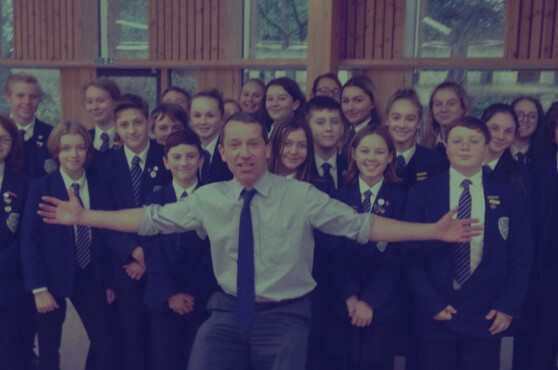
1 min

I love this DTC retention strategy

Retention

Weekly raffle. Ship tickets with order. Group text the winner.

• Easy way to grow your SMS marketing list

• Incentivises weekly orders

• So old school it'scool

All for the cost of a few free goodies.

DTC retention

— Harry

1 min

Surprising a customer with birthday cake

Retention

Insurance company, Lemonade, sent a personalised birthday email to loyal customer, Andrew.

Andrew was touched and thanked them on Twitter:

Lemonade Insurance customer goodwill

Lemonade then followed up with an actual birthday cake sent to Andrew's workplace:

Lemonade Insurance birthday cake

And once again, Andrew thanked them on Twitter.

It's fair to say Andrew's now a fan for life, but what often goes unnoticed is the 2nd order benefits of delighting your customers:

• Andrew’s Twitter followers now think Lemonade is awesome

• Andrew’s co-workers, who all enjoyed a slice of cake, now think Lemonade is awesome

• Matthew Kobach shared this story on Twitter. His 35,000 Twitter followers now think Lemonade is awesome.

One delicious birthday cake. Hundreds of new fans.

That's the power of delighting individual customers.

Hattip to Matthew Kobach's Twitter where I got this one from.

Support

Thank you for taking the time to read. If you liked it, joining the email list for more case studies is appreciated.

1 min

Use Intercom to build customer goodwill

Retention

Earlier this year Baremetrics offered to share any exciting customer news on their twitter page.

Baremetrics Intercom

I like it for a few reasons:

1. It's a great way to build customer goodwill.

2. The cost to Baremetrics is effectively zero.

3. It's relevant to Baremetrics' mission of helping startups grow.

4. An Intercom message with no alterior motive is memorable.

When you cancel Amazon Prime there’s no love lost. Now, if you consider cancelling Baremetrics your mind will flash back to the time good ol' Hayley tweeted about that blog you spent the weekend writing.

And finally, it's not really that important whether Baremetrics tweet about your startup or not. What is important is that they showed a willingness to. You may skim past the message, but subconciously it reinforces in your head that Baremetrics are a good company who want to help you.

The Great Diversifier

Back in the day gradually building up goodwill with customers was par for the course. You booked your holiday at the travel agents. You got your mail from the mailman. They smiled back at you and wished you a good day.

But as technology marched on, there became fewer and fewer reasons to actually need to talk with your customers.

Technology became the great customer relations diversifier.

The majority of companies set out to squeeze every last efficienct drop from technology, eliminating the need to ever talk with customers. But a select few, were just as interested in how technology could be leveraged creatively to build even tighter bonds with customers.

This example from Baremetrics is a great example of the latter.

Patreon

Costly Signalling Theory

Sales

The girl in the foyer

Let’s start with a story. Last month I was on the train going to Wembley to watch a football match. On jump a bunch of lads. It sounded like they worked for a marketing agency.

Did you hear about that 16-year-old in the office today, boys?

No, what happened?

So I get into work this morning. And there’s this young girl hovering in the foyer. She’s not talking to anyone, just sort of standing there looking a bit lost. I assumed she was someone’s kid or something so I walked past.

Anyway, 30 minutes later I pop out for a smoke and she’s still there, hovering. So I walk over to her and ask her if she needs a hand with anything. And now she’s looking really nervous, but she looks up at me and says, “I really like some of your companies marketing campaigns”. And then she starts listing all our campaigns off.

I start smiling and she starts to relax a bit. She tells me that she’s at school at the moment but in her spare time she’s reading marketing books and if there was any chance she could do some work experience in the summer.

“Fair play!” one of the lads' chimes in. “That takes balls” says another. “But we don’t offer any work experience”, says the third.
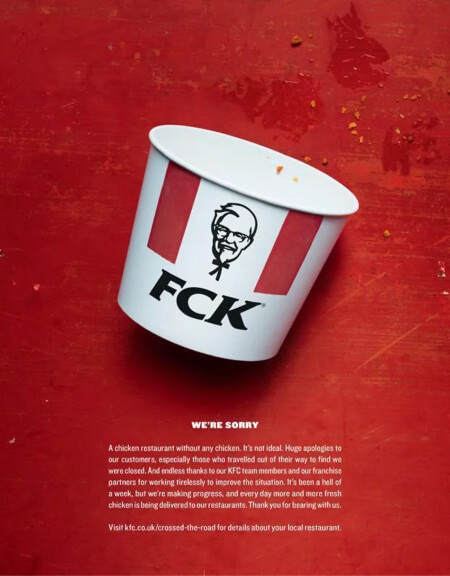
I know. But I talked to Cav and we’re going to make an exception!

Costly signalling theory

This is costly signalling theory in action.

That girl could have delivered the exact same message (except more eloquently) in the form of an email. And yet, it would have got her nowhere. It's impossible to signal seriousness via email because the cost of delivery is so negligible.

Only in putting herself through the stomach-wrenching ordeal of walking into a big and scary office, and daring to ask for work experience face to face was she able to signal that she really cared. It's a pretty safe bet that she's not going to arrive late and browse Facebook all day.

To quote Rory Sutherland:

The meaning and significance we attach to something is felt in direct proportion to the expense with which it is communicated

Essentially, costliness carries meaning.

1) The handwritten thank you card carries more meaning than a text.

2) A university degree carries more meaning than a Udemy course.

3) Asking someone out face to face carries more meaning than on Tinder.

Costly Signalling Theory Diagram

An awareness of this principle is valuable in understanding the psychology of marketing.

Some real world examples

You want to guarantee a reply to a sales lead? Print off your message and send it on the back of a carrier pigeon.

Yeezy Dating Viral

You want to strike a business deal with Casey Neistat. Edit an awesome YouTube video and title it, “Dear Casey Neistat ...”

Yeezy Dating Viral

You want to get a job with Kanye West. Rent billboards worldwide saying “Hire me Kanye West”.

Yeezy Dating Viral

In every instance the extra effort taken increases the perceived value of the communication.

Bloody hell, if they [sent a pigeon, made a video, hired a billboard] then it must be important.

The Costly signalling of Universities

Costly signals inflate the value of otherwise identical products or communication. The most stark example of this is the university system.

How do you rebrand a $50 Udemy Course into a $50,000 Udemy course? Sprinkle on some costly signals and call it a “degree”.

For example:

• Not accepting every candidate

• Building expensive buildings and calling them “theatres”

• Hanging up expensive paintings

• Throwing a big party where everyone wears fancy gowns

are all costly signals which artifically increase the perceived value of the degree far beyond its real value.

nod of appreciation

A lot of the ideas in this case study are taken from Rory Sutherland's book, Alchemy. Would certainly recommend it.

30 secs

Dave Gerhardt's 1 line sales email

Sales

Imagine you're doing cold outreach for an exec coaching program.

Here’s the email Dave would send the CEO.

Dave Gerhardt's Sales Email

The goal is simple. Get a reply.

A reply gives you something to work with.

So how does Dave do that?

Keeps it short. Asks a question.

Much better than a hit and hope template asking for a “quick call”.

1 min

How 2 minutes of personalisation transforms your cold emails

Sales

If your cold email doesn't have any personalisation you're doing it wrong. 

But personalisation is really time consuming ...

I hear you cry. Well, I disagree. Here's an example, from a recruitment company, showing how just a couple of minutes of googling can completely transform the quality of your email.

Beamery Cold Email

So you type Jane's name into google and find her twitter profile. You scroll through and notice she's really into snowboarding, and even won an award last weekend. Perfect!

Beamery Cold Email

Open rate and Conversion

Simple personal references can make a huge difference. The bespoke title will dramatically improve open rate. And the p.s. is a nice human touch, which should improve the response rate.

The funny thing is that the bar is so low with cold emails, that a two minute Google is more than enough to stand out.

Template Emails

Now, if you're stuck writing a template email, you won't be able to personalise easily (unless your Ramp T Shirts ). In this case:

1. Make people smile

2. Try “advice emails”

3. Offer genuine upfront value

3 mins

How Convert Kit grew from $1.5k to $100k MRR

Sales

This week I read an excellent thread from Nathan Barry explaining how he used direct sales to grow his email marketing platform. Here's four lessons:

1/ Start with a niche

When Convert Kit launched it was just for bloggers.

There's a big difference between “want to try this random new tool?” and “want to try this new tool made specifically for people like you?”

2/ Don't sell, ask about frustrations

Here's Nathan's first email.

Nathan Barry Sales Email

He'd then offer a call to help people through their frustrations and show off Convert Kit.

3/ Remove the biggest objection

Most calls would end with “Sounds great but switching is a hassle...” So Nathan offered to migrate customers for free.

Forms, sequences, templates. One by one.

4/ Always ask for referrals

Once one blogger was set up Nathan would ask for intros to others.

It's 10x easier to persuade a friend's friend than it is to persuade a stranger. Soon referrals drove as many leads as cold outreach.

* * *

Today, Convert Kit makes $29M/yr. To quote Nathan,

“My rate was $5/hr. But you do things that don't scale. Because that enables channels that do scale.”

— Harry

4 mins

How Jeff Johnson sold Nike's first shoes

Sales

April 1964 Phil Knight’s (the co-founder of Nike) first shipment of shoes arrived from Japan. He left his accountancy job and all that spring did nothing but sell shoes out of the boot of his car.

To quote Knight:

My sales strategy was simple and I thought rather brilliant. I drove all over the Pacific Northwest, to various track meets. Between races, I’d chat up the coaches, the runners, the fans and show them my wares. The response was always the same. I couldn’t write orders fast enough.

Employee Number One - Jeff Johnson

Midway through 1965 Knight hired Jeff Johnson, his first full-time employee. And Johnson was an even more prolific salesman than Knight. In ten months he’d sold 3,250 pairs of shoes, which to quote Knight was a “completely impossible” feat.

Jeff Johnson Nike

Johnson’s selling strategy was similar to Knights. He’d go to track meets, stand on the infield and chat up high school athletics coaches. But when it came to building relationships with customers Johnson was on a whole new level.

Johnson's mailing list

Every time Johnson sold a pair of shoes he’d create an index card for that customer. He’d jot down all manner of minutiae details: shoe size, shoe preference, favourite distance, etc …

Johnson used this handcrafted database to keep in touch with customers. He’d send birthday cards, training tips, notes of encouragement before big races.

Customers would write back telling him about their lives, their injuries, their troubles. Johnson had hundreds upon hundreds of customer pen pals. He had created the modern day mailing list but with a response rate of 95%.

Johnson's cobbler

Johnson wasn’t just renowned for his mail correspondence. He went the extra mile in everything he did.

Once a customer complained that the shoes didn’t have enough cushion for long distance running. Johnson hired a cobbler who grafted new rubber soles into the shoes and sent them back a few days later. Soon after Johnson got a letter in the post from the customer saying he’d just posted a personal best at the Boston marathon.

An impossible task

In 1967 Knight set Johnson another impossible task. He had to single-handedly establish Blue Ribbon (which later became Nike) on the East Coast. This meant rebuilding his whole running network from scratch.

What did Johnson do? Well, he worked through his index cards until he found a track star in the East who he’d shared letters with, drove to the kid's house and knocked on the door unannounced.

Fortunately for Johnson, he was invited in and treated to dinner with the whole family. The next day they went for a run together and the kid gave Johnson a list of names: respected coaches, potential customers, local running clubs.

Just like that Johnson’s network in the East was up and running.

Jeff Johnson - Wellesley, Massachusetts

Customers become fans

When customers become fans they start selling your own product for you. Johnson’s great skill was turning customers into fans.

Imagine you’re scrolling through Instagram and you see an ad for a new running shoe. It’s unlikely you’re going to tell your friends.

Now imagine you see Jeff Johnson out on the track. He sucks you in with his passion, grafts rubber soles onto your shoes, wishes you luck before big meets, eats dinner with your family, sends you birthday cards, Christmas cards, get well soon cards, free t-shirts. You don’t just tell your friends about his shoes, you tell your whole running club.

And that’s exactly what happened. Nike sold its first 50,000 shoes on the power of word of mouth alone. A small sales team going out to track meets, talking to runners, turning them into customers, and then into fans. One by one.

The Safety of Glass offices

It’s becoming easier and easier to come up with excuses to not recruit your first customers manually.

“Well, if we're optimising for CPA, CPL, CR, CRO, CTR, CLV and of course CoCa, the value really is all online now” the suits mumble, from the safety of their glass-paneled office.

All I’ll say is this: Jeff Johnson started from nothing and sold 3,250 pairs of shoes from the boot of his car in less than a year.

So, go ahead. Grow your Facebook page. Have fun with your follow/unfollow bots. Tweet until your heart's content. But you’ll be lucky to get 325 followers in a year, let alone sell 3,250 pairs of shoes.

Once you become a million dollar company it might all be online. But embrace the time you’re small enough to talk to every customer and turn them into fans. One by one.

Things that don't scale

This story reminds me of Paul Graham’s famous essay, Do Things that Don't Scale.

He writes:

Startups succeed because their founders make them succeed. You can’t wait for users to come to you. You have to go out and get them.

There’s no better example of this than Phil Knight and Jeff Johnson. They went out and got their customers. They made Nike succeed.

Support

This was my favourite one to write so far. All the info came from Phil Knight’s book Shoe Dog. If you enjoyed reading following on twitter goes a long way. I distil each example into an easy to digest thread.

1 min

How to write a funny cold email

Sales

Dogs bark, cows moo, horses neigh, and poorly crafted cold emails get thrown in the trash after ten seconds. Genuine personalisation and “advice emails” are good ways round this, but if you are working from a list of several thousand you're going to be forced to send everyone the same default template.

challenge of template emails

Templated emails are the hardest to write. People can smell them a mile away. The classic mistakes are:

1. following a painfully predictable pattern

2. offering no upfront value

3. displaying the emotional range of a teaspoon

As templated emails go, Gusto’s isn’t a bad effort:

Gusto Dog Cold Email

Self Awareness

I’ve mentioned this a few times, but calling out the awkwardness of your own cold email is always a solid start. It’s a display of emotional intelligence and helps humanise you.

Before you pitch

The vast majority of cold email templates follow the same embarrassing pattern:

Hello,
Do you want to use my new bullshit app.
Statistics indicate it reduces churn by 90%.
Happy to jump on a call if you want to discuss further.

This is the equivalent of walking up to a girl in a bar and saying:

Hello,
Do you want to sleep with me tonight.
Statistics indicate I last longer than 90% of other men.
Happy to jump on a call if you want to discuss further.

You’re going to get a slap in the face.

When opening cold emails people’s defences are up. They’re going to block any salsey, robotic pitches every day of the week and twice on a Sunday. You have to prove that you’re a real life living, laughing, loving human.

There’s 3 easy ways to do this:

1. Personalisation

2. Offer genuine value for free

3. Make them smile

Before any pitch it’s essential you do at least one of the three above steps.

In Gusto’s case, the picture of Finnley the dog puts a smile on faces. It’s disarming. And that buys your pitch some time.

Force comparisons

I'm also a fan of asking the recipient to score their “current payroll provider” before going into the pitch.

Asking someone directly to switch payroll provider, the default response will always be no. But first, forcing them to think back to their current provider, you're more likely to uncover a pain point. This move is straight out of a behavioral psychology textbook.

Poor ending

To be honest, I think the remainder of the email is pretty useless.

The call to action is vague and unclear. There’s no information on how to instigate that, “quick conversation”. Something like:

Would love your thoughts, even if you think Gusto’s a load of rubbish! I’m around all next week, so feel free to reply or give me a call on +44 7463 686533 ...

would be an improvement. When cold emailing you need to make the CTA as simple as possible to follow.

And the last four lines look like a waste of words to me. But that’s another story.

If you're looking for some more cold email inspiration:

1) I like this advice email example

2) Art of Emails has some great templates

3) This article is a great guide for following up on cold emails.

1 min

I love this abandoned cart hook

Sales

Did you know you can expense your...

In fact, the whole email is superb. One of a series that adds $8k / mo in revenue.

Copywriter Nabeel Email Series

Cc: (the indomitable) Nabeel who penned the email

— Harry

1 min

Lizzy's email worked on me

Sales

I got 97 cold emails last month.

The only one I replied to didn't ask me to.

Lizzy told me that's her secret.

“I stopped asking for a quick call and clarified I wasn't asking for anything. Responses went from 5% to 25%.”

Don't ask, don't get.

Lizzy Spano mymind cold email

PS. I did sign up, and loved it!

— Harry

20 secs

My favourite sales email pattern

Sales

Personalise. Pain Point. Pitch.Cold email pattern

— Harry

3 mins

One thousand replies to cold emails

Sales

Last week some rather impressive stats popped up on my Twitter...

Ryan Doyle Cold Email Strategy

I’ve never seen cold outreach scale so well before. So I messaged Ryan, asking for a crash course. He obliged.

Step 1 — Find hot leads

Why do cold emails suck? Well, they’re hopelessly untargeted. The same junk goes out to 1000's of prospects all with different needs.

The trick is to scrape a tighter group of prospects all with similar needs:

• Run a SEO agency? Scrape companies hiring SEOs.

• Sell exec coaching? Scrape companies who’ve just raised money

• Jet insurer? Scrape FAA registrations for new jets.

Step 2 — Turn leads into verified emails

You've got a list of companies. Now you need to find the decision maker. Sometimes you want the CMO, sometimes the CFO, etc.

Prospecting tools get you most emails. You validate them with a deliverability checker. And solve invalids by testing different combinations on ZeroBounce.

How to get anyone's real email

Step 3 — Get your email opened

I don't care how good your email is if I don't open it.

Ryan tells me it's personalised preview text that drives opens. So start your email with something personal (your first line becomes the preview).

Oh, and don't forget to add a profile photo.

Personalised Preview Text in cold email

Step 4 — Get a reply

You do this by offering value upfront. Not by trying to persuade a stranger to schedule a call.

What's the lowest friction next-step your prospect might bite on?

That's your pitch.

Cold email value upfront template

And that, my friends, is that. From a company on a database to a CMO on Zoom. It's only fair I give Ryan the last word:

“You probably hate cold email. So let me give you a different challenge.”

“Find 100 people you can help. Offer to help them for free. Blow them away. Let me know what happens next.”

“You'll make more money than 99% of ‘experts’.”

Thanks Ryan for sharing so much. If you'd like him to do all this for you check out Damn Good Leads.

— Harry

30 secs

Sticker Mule's plain text emails

Sales

Six words, one offer. No frills, no pretence.

Sticker Mule email tip

You don't need an adverb or fancy image to tell me your sticker deal ends tonight. Respect my time. It works.

Plain Text Email Stats

h/t Zoe Kahn's Twitter where I spotted this one

— Harry

2 mins

The cold email that started a $100M / yr company

Sales

February 2010. Jason Cohen had an idea for a new WordPress hosting service.

He logged onto Linkedin, searched for Wordpress consultants and sent forty of them the following email.

Jason Cohen's $100M email

The results:

“100% agreed to talk to me on the phone. Not one asked for any money. Thirty agreed to pay $50 / mo.

Before I had a company name, before I had a powerpoint, before I had a server, I already had 30 customers willing to pay.”

I love the email. Especially, the last paragraph.

It's flattering. It's respectful. It's fair. It's rare. Tick those boxes and people are happy to help 🙂

Jason did end up giving his company a name. Today, WP Engine, makes $100M / year.

— Harry

2 min

The saleswoman closing 33% of cold pitches

Sales

“How many people are trying to reach the prospect exactly the same way as me?”

The lower the number the better chance you’ve got.

Automating sludge? Hundreds!

What most bad cold outreach looks like

Finding a company whose problem you solve, solving it (without permission), and sharing with them on social media? Probably just you.

The proof is the pudding.

Creative cold outreach

[1] [2]

— Harry

2 mins

The “best sales email ever” from a personalised t-shirt company

Sales

Back in 2017, Ramp sent 50,000 emails to companies hoping to sell some personalised t-shirts.

Rampt T-Shirts Cold Email

I think the best way to illustrate why this email is so good is by contrasting it to what another t-shirt company might send. I will call the fictional t-shirt company: Average America T-Shirts.

Example of a bad cold email

Their email is just the “sales pitch” from the Ramp email.

Subject Line

Firstly, lets compare the subject lines:

Average America T-Shirts: Looking for personalised t-shirts?

Ramp: I'm wearing a [!Your Company] t-shirt

Ramp’s gets your attention. Average America’s doesn’t. It’s that simple. An attention grabbing title dictates open rate which is a half the battle.

The Pitch

Ramp’s email is a great example of how to tee up your “sales pitch”. They begin by acknowledge that:

Nobody likes cold emails...

I'm a fan of calling out your own cold email. Addressing the elephant in the room head on is the best way to get rid of it.

Next, you see the photo of Ramp's founder wearing your companies t-shirt. Hopefully they have you chuckling a little here. Whilst your interest is piqued they quickly transition to the “sales pitch”.

Compare this to Average America T Shirts. There is no tee up. They make the classic mistake on kicking straight off with the “sales pitch” without first getting your attention. This results in a deathly boring email ready for the trash can.

Small criticism

I do think the bottom half of Ramp’s email drags on too long. Brevity should be a priority when writing cold emails. But hey, I guess it worked for them.

Content Marketing - 2nd Order Benefits

When you successfully pull of a stunt like this, there's also the 2nd order benefits of all the great content you can produce as a result. Ramp duly wrote an excellent blog about the campaign which was shared so widely it has been translated into French and German .

The story of this cold email is the top answer to the Quora question, "What's the best cold email you have ever read?" and the founder, Neil Cocker, has told this story at conferences and events across four different countries.

In fact, I wouldn't be surprised if Ramp made more money through circulation of this story than the email campaign itself.

SEO - 3rd Order Benefits

As you can see the cold email blog pulled in 25 referring domains, more than the rest of Ramp T Shirt's blog combined.

Rampt T-Shirt Backlinks

Lots of high value backlinks, media and social shares will work wonders for Ramp's domain authority. Particularly useful given the competitiveness of keyword phrase: customised t-shirts.

Bold marketing is underrated

People are typically blinded to just the direct consequences of a marketing strategy, however, once you begin to analyse the 2nd and 3rd order effects you realise just how tremendously underrated viral marketing is.

In my opinion creative marketing which generates a viral buzz is the high road to great content marketing and huge SEO improvements.

Support

If you liked the article and want to learn from more real world examples joining the email list below is really appreciated. Thank You!

1 min

Try writing “advice emails” instead of sales emails

Sales

The trick to writing any sales email is that you don't want it to read like a sales email. This one's a great example.

AndCo Cold Email

Ask for Advice

There's few better ways to engage someone than to ask them for advice. People love giving advice. It's a chance to show off their knowledge.

Once they're disarmed you then can break into “the pitch”. The biggest mistake people make is starting with “the pitch” straight out the gate. People mentally tune out and the email ends up in the trash can.

What's clever about “advice emails” is that you are still indirectly selling your product, the whole thing is just much subtler than in a classic “sales email”. In fact, in some cases, I bet the indirect “advice approach” actually drives more sales.

This style of email saw an 65% click through rate and 55% of recipients replied. AndCo got a tonne of valuable information on the freelancer market and a load of constructive feedback from their target audience regarding how they could improve their product.

Personalisation

It's worth mentioning the lovely personalised touch to close. Your cold emails should never be purely extractative. It's always worth a 30 second glance at someone's website, or Twitter page, to see if there's a point of connection.

Taking an interest in someone else's world goes a long way.

This email  from Beamery is a great example of just how quick and easy personalisation can be.

3 mins

“The Dream 100”

Sales

The story starts in California. 1981.

Charlie Munger hires Chet Holmes to sell magazine ads. He's given a list of 2,200 potential advertisers and a bunch of flyers.

Chet doesn’t send one flyer.

Instead he backorders hundreds of issues of competitor magazines. And realises 167 companies are responsible for 95% of all ad sales.

So Chet ditches the list and goes all-in on the 167. Free gifts, lunches, dog-eared determination.

A few months later Xerox order 104 full-color spreads. “The biggest deal in the history of the industry”.

In three years Chet takes the magazine from 16th in the market to double their closest competitor. At this point Munger calls him into his office.

“Now Chet. In all my years, I’ve never seen anybody double sales three years in a row. Are you sure we’re not lying, cheating, and stealing?”

He wasn't. The Dream 100 was born.

“Write down your dream 100 clients. Do anything you can to win them.”

I've seen hand-delivered briefcases, carrier pigeons, gifted typewriters, watercolor art, YouTube call-outs, fedexed phones that “will ring at 3pm”.

Dream 100 Examples

When you're negotiating with millionares nothing is off the table. Let me tell you the Walt Batansky story...

So Walt's CFO at Avocat. For months the sales team have been going after a publically traded medical company. Crickets and tumbleweed.

Walt reads in the Wall Street Journal that they're having a shareholders meeting a month out. So he buys 100 shares ($6 each).

That gets him an invite and he flies to their headquarters in Jacksonville, FL.

The presentation ends, a receiving line forms, the CEO works his way down, Walt sense his moment.

“I'm a shareholder, I've reviewed your annual report, and I'm convinced I can show you how to save several million dollars on real estate”

The CEO is taken aback. But gives Walt the name of their executive who handles properties. Walt calls. “Your CEO put me in touch”.

The entire sales team are invited to present. They become Avocat's single largest account overnight.

Sources: Chet's book, his keynote, Nutshell's sales blog.

Thanks for reading — Harry

2 mins

7 Backlinks in 27 minutes

SEO

When I made Copywriting Examples the goal was to rank #1 on Google. I need backlinks. So last week...

• I texted anyone who'd “interviewed” me in the last two years

• Asking if they could update the article

• With a “P.S.” about Copywriting Examples

• And woke up to seven new links

Easy link building

This isn't clever, it's obvious. That's why I'm sharing it.

“What obvious thing are we missing?” is a better question than “What exciting thing could we be doing?”

4 mins

A crash course in getting press and building links

SEO

Carrie Rose is the co-founder of Rise at Seven, a creative SEO agency.

Over the last year I’ve been consistently blown away by how easy she makes getting press look.

And it’s not press for press's sake.

The reward is high quality backlinks which help her clients rank for ultra-competitive search terms.

Lets start with an example

Missguided is a fashion retailer who started working with Rise last year.

Carrie looked at their site for 5 minutes, saw they sold dog jumpers, and knew there was a story there.

So she found some similar looking regular jumpers, and wrote the headline:

Missguided launch matching jumpers for you and your dog this winter

Rise at Seven Missguided press

The media loved it. The campaign pulled in 80 links. And Missguided soared from #30 to #1 for the search “dog jumpers”.

No big budget or photoshoot. Just the idea to link two pre-existing products with a clever headline.

Another example

November 2019, Game came to Rise.

They'd just launched a new webpage full of gaming chairs. The challenge was to rank this page in time for Christmas.

Now, getting press to link to a bunch of gaming chairs is near impossible. So, instead, Carrie dreamt up The Christmas Tinner.

A 3-course meal in a tin for hardcore gamers. And it was this page that then linked to their gaming chairs.

Game's Christmas Tinner press

The Christmas Tinner went viral.

“SEO juice” passed down. And within 3 weeks Game's gaming chair page was ranking for over 400 keywords.

Christmas Tinner PR outreach email

Honestly, I could tell a dozen more stories like this.. But I think it’s more important to try and understand the process.

Carrie tells me the trick is learning to think in headlines.

For example, last Easter she worked with a sex toy startup. The first thing they do is figure out the headline:

The world’s first Easter egg with a sex toy inside=

Then they work backwards until it becomes reality.

Most people plough ahead with an idea. And, only when it's too late, realise there's no “hook”.

Carrie Rose PR campaign press

Once you've got your story the next step is pitching it. Here's Carrie's crash course:

1/ Journalists are busy. Make their life easy.

2/ The email subject is my headline. I outline my article in the body. Embed my best image. And link my “campaign page”.

3/ Timing is key. Journos open laptops at 8:30. So schedule outreach for 8.

Carrie Rose PR Outreach email example

So there you go

14 months ago Rise launched with one client at £2k / mo.

Today revenue is £2M / yr. And yes, that is crazy!

It reminds me that nothing moves the needle like genuine creativity.

One 5 minute idea can have more impact than 100 guest posts.

That's all folks

Thanks to Carrie for sharing her wizardry. She tells me I've given her too much credit, and it's the team at Rise which really makes stuff happen.

— Harry

30 secs

A Table of Contents can work wonders for SEO

SEO

1/ Anchor links are included in the SERP

2/ Keywords rank long-tail in Google

3/ Better UX means longer session duration (a ranking factor)

Credit to Pat Walls for this tip. He ran A/B tests on Starter Story and found a 2.6x increase in session duration after adding a Table of Contents.

Table of Contents for SEO

Thanks for reading — Harry

3 mins

Basic SEO and Specsavers' FAQ page

SEO

The most common SEO mistake is relying on a single page website.

Every new page is a new opportunity to target and rank for a search term. So if you’re dumping all your content on one page you’re limiting the number of search terms you can rank well for.

For example, compare Harry's and Sally’s, two different massage websites:

Single page website SEO

Sally opts for a single-page website. This means she has just one page indexed by Google and can only target the “massage London” keyword.

Harry creates unique pages for each different service. He has several pages indexed by Google each targeting the different styles of massage.

Looking at the search volumes and keyword difficulty it doesn't take a genius to work out how much potential organic traffic Sally is missing out on:

SEO before and after

Click-throughs

Single page websites don’t just limit your impressions. They also limit your click-throughs.

Even if Harry and Sally appeared side by side on the SERP for the keyword “Swedish Massage London” Harry’s page will always get more clicks because it’s bespoke title better matches searcher intent. And over time Google’s algorithm will prioritise the page which gets more clicks.

Swedish massage SERP comparison

FAQ Pages - A real world application

The same principle can be applied to FAQ pages.

If you've got a detailed FAQ page, there's value in structuring it so that each question is also its own URL (/faq/q1, /faq/q2, etc ...).

For instance, compare the FAQ pages of Oscar Wylee and Specsavers Australia (two of the largest glasses companies in Australia):

Both websites have strong domain authority. Both FAQ sections look similar. But there’s one big difference: Specsavers questions exist on their own URL and Oscar Wylee's don't.

Unique url v Javascript dropdown

This leads to wildly different volumes of organic traffic:

• Oscar Wylee FAQ's: 72 questions. 200 / mo organic traffic.

• Specsavers FAQ's: 400 questions. 17k / mo organic traffic.

The point is people don’t Google “Sunglasses FAQs”. They Google specific questions. And for each question, Specsavers has a page indexed and Oscar Wylee doesn’t.

For example, take the question “How long is an eye test?”

Both Oscar Wylee and Specsavers answers contain similar information. But Oscar Wylee’s can only be found halfway down their FAQ page. Google has no knowledge of its existence. Whereas Specsavers’ exists on its own page with proper semantic markup. Google rewards it with a featured snippet.

Specsavers FAQ SEO

FAQ notes

1) This approach is definitely not suited to every FAQ page. Hundreds of pages with low page rank can dilute your overall domain authority. It works well for Specsavers because their website has strong domain authority and there are plenty of long-tail questions they can write detailed answers to.

2) If you think reloading the page is bad UX you could use Javascript but also have each FAQ answer as a unique page by itself.

2 mins

Cronitor's Little Side-Project

SEO

“Cron jobs” are what developers write to schedule tasks. They're hard to remember. So Cronitor made a little side project to help.

Developers search “Cron job every [time interval]”. And Crontab (the little side project) gives you the code to copy and paste. Lovely.

Crontab Guru SEO

Now, there's 100's of possible time intervals (meaning 100's of possible keywords). Crontab has a new page for every single one.

Crontab Guru Search Volumes

It's a ridiculously simple site. Pulling in120k organic traffic/mo. Lightly promoting their paid tool.

How to replicate? Well, you're looking for:

A group of similar questions. That your customers are googling. That you can answer with one template.

h/t Pierre de Wulf

— Harry

3 mins

Grubhub's link building strategy

SEO

Chicago, 2004. The food delivery service, Grubhub, launched.

By 2007 they were established and had raised $1.1 million. The next challenge was to expand to New York.

A big part of this expansion plan was SEO. Every day, thousands of Americans search for food delivery on Google. Ranking at the top would mean thousands of new customers.

So Grubhub hired their first marketer, Casey Winters.

Casey's first challenge was organising site structure. First he generated a parent page for New York. Then, child pages for specific foods within New York.

Now, no-matter, whether New Yorkers were searching for Food Delivery, Pizza delivery, or Vegan delivery, Grubhub had an indexed page of aggregated restaurants waiting:

Grubhub's SEO site structure

The second challenge was backlinks. In order for Grubhub’s new pages to rank well, Google needed to recognise them as sources of authority. Casey's solution was simple:

We went to the local press, to tell them we were launching in New York, and that we wanted to give their readers $10 off their first order.

All they had to do was link to our /new-york page which explained the discount. After a while, that page built enough local links and it would rank #1.

The “link juice” then flowed downstream to each city's specific food pages, helping them climb the search results.

And for every new market they entered, Casey replicated this strategy.

Thirteen years later

Alongside Grubhub, US food delivery is now dominated by Doordash and Uber Eats.

All have similar site structure. Grubhub's organic traffic is 50% higher. Thirteen years later, Casey's link-building is still paying off:

Grubhub and Doordash Organic traffic

That's the power of good SEO.

Plant an orchard. And you're eating fruit everyday.

The long game is the shortcut.

* The majority of “food delivery” search is local. This makes it hard to precisely measure organic traffic. The numbers are estimates from Ahrefs.

2 mins

How Chamaripa turned celeb heights into shoe sales

SEO

Chamaripa sell elevator shoes. Last week I stumbled upon quite a crafty SEO strategy of theirs.

They rank hundreds of pages matching the query:

“How tall is [short celebrity]?”

I know what you're thinking. Who googling “How tall is Tom Cruise?” is looking for elevator shoes. And you'd be right.

But good SEO captures demand. Great SEO creates it.

So, each page gives the height. Explores if the “short celeb” wears elevator shoes on red carpets (apparently a lot do). Then pushes Chamaripa's shoes.

Chewy handwritten cards

Clever for three reasons:

• Scalable content. Each page is the same template.

• Moves an “unaware” customer to “solution & product aware”

• Destigmatises the shoes (“If Tom Cruise wears 'em...”)

Looking at the numbers:

~210 celebs. Across 5 languages. ~14k/mo organic traffic.

From content an intern could make in three weeks.

Chewy pet paintings portraits

One small tweak I'd make. Google now displays a lot of heights directly on the SERP. So I’d rewrite each page title as “How tall is [short celeb], really?”

Hinting that whatever Google tells you may not be quite right!

— Harry

3 mins

How Nomad List dominates longer tail keywords

SEO

Nomad List is a crowdsourced database of cities for Digital Nomads. You can filter the cities by hundreds of categories: air quality, cost of living, etc.

As you apply filters the database is queried and the home page dynamically updates to display the best matching city:

Nomad List Landing Page

Crucially, the results of each filter query are also unique URLs. Autogenerated pages kitted out with meta and h1 tags, etc …

And this is important because these pages make for some valuable long tail keyword phrases:

Least Racist States in America

Take the keyword, “least racist states” for example. A reasonably easy keyword to rank well pulling in 1,200 organic searches per month. Type it into Google and see who’s number 1:

Least Racist States SERP

An autogenerated page created by combining two Nomad List filters: “Low in Racism” + “United States”.

And this page is not just picking up traffic from that solitary keyword. It ranks for well over a hundred similar keywords such as “top ten racist states”, “least racist city” etc…

Aggregating all combinations of filters together, you're looking at several thousand indexed pages, hoovering up organic traffic from long tail keyword phrases:

Nomad List filter combinations in Google

Interestingly, the majority of Nomad List's organic traffic comes from filtering by region. And then targeting the keyword phrase “best cities to live in [region]“ with meta and h1 tags:

Nomad List organic traffic stats

In summary

The genius of Nomad Lists approach is in recognising that they already have the valuable data at their fingertips to dominate hundreds of longer tail keywords and all that’s left to do auto generate the page based off the same PHP template.

Contrast this with a 99% of other companies who have no option but to research and write blog posts one by one to compete with Nomad List for the same longer tail keywords.

How would I replicate this?

Essentially, all that's going on is your just bundling useful content under unqiue url's. With this very website for instance, every single filter (as well as being used to query the home page) is also its own unique page as well. For example:

marketingexamples.com/viral

marketingexamples.com/coldemail

are both pages in their own right. This means:

1. More pages to be indexed by google

2. More longer tail keywords to rank for

3. More organic traffic

4 mins

How step by step keyword research led to an SEO goldmine

Seo

Thomas Cook was a travel company, who provide package holidays to hundreds of destinations around the world. This article gives a step by step breakdown of how they uncovered a huge SEO opportunity.

Keyword Research

The first step in any SEO journey is keyword research. Put yourself in the shoes of your customer and think about the sort of things they might type into Google.

The simpler the better. Start with the most basic search term you can think of.

For example, Tenerife is one of Thomas Cook’s most popular holiday destinations, so let's start with that keyword.

Now, we’re not actively trying to rank here, we're just trying to get an idea of what sort of content might work. And once you start sniffing around Google will give away more clues than a Scooby-Doo villain!

Firstly, let's have a look at what Google suggests in the dropdown:

Tenerife Google Dropdown

And then the related searches:

Tenerife Google Dropdown

This gives us a list of potential ideas to work with:

1. A guide of the top things to do in Tenerife

2. A blog about the best beaches in Tenerife

3. A page about the weather in Tenerife

Now, it looks like the majority of Thomas Cook’s competitors are drawn to the first article.

asdas

But I actually think the page about the weather might offer more value. Let’s explore!

As great as guides and blogs are at ranking for a targeted keyword, they take a lot of manual work to put together. In contrast, leveraging an API, one weather template page could be duplicated across every Thomas Cook destination. It presents a unique opportunity to rank for hundreds of different keywords in one fell swoop.

Or not

In reality, however, getting any significant organic traffic from “Tenerife weather” is doubtful.

The page is dominated by weather.com's huge box. And the results beneath are the BBC and The Met Office which are going to be pretty impossible to displace.

Tenerife Google Dropdown

Could we be less ambitious

In my own head I'm now thinking:

Ok. “Tenerife weather” might be too ambitious. But is their any longer tail alternatives we could try ...

As always my first point of call is Google. What does Google suggest in the dropdown:

Tenerife Google Dropdown

And what do the related searches say:

Tenerife Google Dropdown

This definately feels like a Eureka moment. Instead of just one page for “Tenerife weather”, what about twelve pages, displaying weather info for each month of the year.

A confirmatory check on Ahrefs shows very healthy search volume with a low keyword difficulty score. The dream!

Tenerife Google Dropdown

Thomas Cook

And that’s exactly what Thomas Cook created.

Thousands of weather pages. One for each month of the year. One for each holiday destination. All accompanied by the perfectly placed call to action reminding customers to book their holiday.

Tenerife Google Dropdown

Does it work?

One million percent. Thomas Cook has 3,744 different weather pages in total pulling in nearly 500,000 organic traffic every month.

Tenerife Google Dropdown

Now, homing in on just Tenerife weather:

Tenerife Google Dropdown

Interestingly, the page pulling in most traffic is the main weather page. The huge traffic volume more than compensating it's low page rank. This main weather page, however, does only account for 25% of total traffic showing just how valuable the supporting monthly pages are.

You might also be wondering why there are 67 weather pages just for Tenerife. Well, Thomas Cook don't miss a trick. They also have one page for every month of the year for towns within Tenerife. For example:

Los Cristianos - Febuary

Costa Adeje - July

This is great to hoover up traffic for the longer tail keywords.

In summary

We started out typing Tenerife into Google, followed the trail of breadcrumbs, and ended up creating an army of weather pages mopping up some mega organic traffic.

This is textbook SEO marketing:

1. Find out what your customers search for

2. Create pages which rank for those searches

3. Once on site, sell to them

And finally

To quote Glen Allsop top quality keyword research is

finding the relevant search terms that your competitors have missed

And every single one of Thomas Cook’s competitors has missed this golden opportunity. What’s obvious in a case study, is far from obvious in the field.

Keyword research takes patience. And telling your manager your going to spend the majority of next year creating 4,000 weather pages takes cojones.

Support

If you'd like to read more case studies like this one, I'd really appreciate it if you joined the email list. I also share more quick marketing tips on Twitter.

If you're in the mood for another, I've written this gem about the “[competitor] alternative” page trick.

— Thanks, Harry

3 mins

Marketing tools are damaging your SEO. And how to fix it.

SEO

It's no secret that a site's “performance” is a ranking factor for search. But how does Google actually measure it?

Well, open up Chrome DevTools, click the Audits tab, then Run Audits and you'll see that “Performance” is made up from 6 metrics:

Google Lighthouse Audit Example

And if you dig into Chrome's GitHub page you'll see that they've all got different weights attached:

Google Lighthouse Performance Weights

Most casuals assume that performance is all about how fast a site displays on the screen — “First Meaningful Paint”. But if you look at the weights you'll see that “Time to Interactive” — how long it takes for a site to become interactive — is far more important.

Essentially, Google prioritises “interactivity” over “visibility”. Even if your page appears fast, 3rd party scripts loading in the background (delaying user interaction) will see you penalised.

ToDesktop

One example of this is ToDesktop. Their site content loads in < 1s, but run it through a Google Audit and its “Time to Interactive” is a whopping 8.8 seconds.

The culprit (as is often the case) is 3rd party scripts from shiny marketing tools: Intercom for chat, Segment for data, Hotjar for heatmaps, etc ...

Solving the problem

So, what can you can do about this? Well, ToDesktop's founder, Dave, came up with a clever solution. First, load the page without any heavy scripts. Then wait for a scroll event, then wait a further second, and then load in Intercom, Segment, etc ...

The before and after results are quite revealing:

ToDesktop's Before and After Google Audit

“Time to Interactive” plummets from 8.8s to 0.9s — mission accomplished. Interestingly, “Paint” numbers remain exactly the same. The casual observer may notice no real difference in performance. But Google certainly does.

The code snippet is pretty straightforward:

Time to Interaction Code Snippet

Does this stuff make a difference?

Well, Dave made this change on June 14th. Since then ToDesktop's organic clicks and impressions have nearly tripled and Dave tells me that he's jumped from 25th to 11th for the search “website to desktop app”.

ToDesktop's improved organic search

It's impossible to isolate how much of this can be attributed to improved “performance”. But there's certainly a clear correlation.

4 mins

Podia's hub of competitor comparison pages

SEO

For any popular product, there’s always a bunch of people who are unhappy or who want to compare alternatives.

One nice trick is creating a comparison page targeting the “[your competitor name] + alternative” search term. For example, EmailOctopus has a “Mailchimp alternative” page.

Even if the search volume is low it's one of the best terms to rank for because anyone Googling has an intent to purchase. A “[competitor] + alternative” page with 50 / mo organic traffic might convert more paid users than a blog post with 5000 / mo organic traffic.

Podia, the online course platform, nails this strategy. Let’s run through it:

A hub of pages

The first area where Podia excels is volume. In total they have 37 “[competitor] + alternative” pages (all variations of the same template) pulling in 5,500 organic traffic / mo:

Podia's Organic Traffic / mo

I like this strategy because once the first template is built the marginal cost of adding another is minimal.

It also allows Podia to hedge their bets. No matter which competitor becomes “the next big thing” Podia are ready to pinch any unhappy customers.

Antidote to pain

The beauty of “alternative” pages is they allow you to position yourself as the antidote to your competitors' pain. And Podia doesn't miss an opportunity:
1) For each competitor, their copy hits at the heart of why someone might want to migrate away.

Podia's competitor comparison page copy

2) The categories in their comparison table are handpicked (from a much larger pool) to best highlight each competitor's deficiencies.

Podia's competitor comparison table

3) Even their testimonials are targeted. For instance, the “Gumroad alternative” page showcases a customer who previously migrated from Gumroad:

Podia's targeted testimonial

Engage each user

Podia also do a great job of encouraging dialogue. On viewing one of their “alternative” pages a message appears reading:

Hey! 😊 Quick question: are you currently using [Competitor]?

The aim is to turn a landing page visit into a sales interaction. I bet Spencer is well versed on each competitor's pain points.

Podia's Intercom message

Defend Territory

Finally, Podia have also built a “Podia Alternative” page themselves where they compare the competition.

Given this page is on their domain it’s sure to come in at No 1 for the “Podia Alternative” search term.

This prevents competitors with “Podia Alternative” pages, strolling to the top of Google unchallenged, and pinching their own customers.

Results

Does Podia's strategy actually work? Well, to quote Annie Maguire, who wrote the copy for these pages, “they're converting visitors to trial accounts at over 10%.” So that is a resounding yes!

Summary

To summarise Podia’s execution:

1) Create a “[your competitor name] + alternative” template

2) Duplicate for all competitors

3) Be the antidote to the pain your competitors bring

4) Encourage dialogue with a targeted message popup

5) Cover yourself by creating your own alternative page.

Nod of Appreciation

Thank you to Andrea Bosoni for tipping me off about this. If you'd like to learn more about SEO I'd recommend following him on Twitter.

3 mins

SEO project marketing

SEO

Kapwing is an online video editor founded by Julia Enthoven and Eric Lu.

Two years ago it was just like every other new startup. No funding. No organic traffic. No users.

They tried cold emails, ads, posting in Facebook groups. None of it worked. Every single one of Kapwing’s first fifteen paying users came from Google.

To quote Julia, “We learned that, for our product, SEO is king.” So she and Eric set out on a mission to climb the Google rankings.

This case study focuses on one particular link building strategy they employed. I’m going to call it SEO Project Marketing. It works like this:

1. Make side projects

2. Host them on your own domain

3. Get them in front of the press

The idea is press exposure results in articles (and backlinks). And because the projects are hosted on your own domain any “link juice” flows to other pages on your website helping them rank better.

Using this strategy Kapwing has pulled in more than 480 unique DoFollow backlinks. Today they get an estimated 1.8M organic traffic from Google each month. Fair to say it's mission accomplished.

Press Exposure?!

How do I get my side project in front of the press?

Well, the direct approach is outreach to journalists / bloggers who work in your niche.

The indirect approach is to utilise Product Hunt. Journalists browse Product Hunt for article inspiration. So if you do well there you’re rewarded with articles and backlinks.

Julia and Eric made use of both techniques. Let's look at an example:

Cartoonify - An example

Back in 2018 a polaroid camera was getting attention for being able to turn photos into cartoon drawings. Eric came across the open-sourced code and turned it into a simple web app illustrating what would happen if you “cartoonify” an image on your computer.

First Eric and Julia launched on Product Hunt. Then they started emailing all the journalists who wrote about the original, sharing their web-app version.

Their reward was 100+ new backlinks: The Verge, Make Use Of, With Google, Resource Magazine, Adafruit, Android Police, Neoteo, Ticbeat

Cartoonify: Backlink Review

Results

In total Kapwing has launched ten of these side projects. You only have to add together the numbers to see what an effective link building strategy it has been:

Kapwing: Side Project Backlink Review

15 days

106 links > 60 Domain Rating (Measure of quality)

481 total links

To put in context a guest posting strategy would do well to exceed 15 backlinks in 15 days.

I also want to highlight the quality of these links: 106 from websites with a Domain Rating > 60. We're talking: Wired, Huffington Post, The Verge, Mercury News.

Arguably, thats the major benefit of an SEO strategy targeting press. If you win, your rewarded with high value links.

Summary

SEO project marketing is an example of permissionless leverage.

Permissionless because any startup can implement it. It doesn't require any capital or a strong domain rating.

Leverage because it doesn't tie your outputs (backlinks) to your inputs (time). One great idea can yield 100s of backlinks.

Contrast this to a guest posting strategy where outputs and inputs are connected: 15 days. 15 guest posts. 15 backlinks.

My own Experiment

I’ve decided to give Julia and Eric's strategy a go myself. The past week I've spent building Startup Gifs: A collection of GIF's to make you laugh and share on Slack.

Today, I’m launching it on Product Hunt. The objective is to pull in some backlinks and get Marketing Examples some exposure:

2 mins

Using Unsplash for brand awareness and backlinks

SEO

One of my subscribers, Max, works for a paddle board startup.

They had some nice images from photoshoots. So he made an account on Unsplash (the photo discovery platform) and uploaded them.

Five months later the images have 6M views. And 24k downloads.

Pretty neat brand awareness!

Tower Paddle Board Unsplash

Here's where it gets interesting.

Max realised if people were downloading the images they’d also be being used on websites.

So he uploads each one to Google Images. And finds 50 websites using Tower Paddle Boards photos.

Find Unsplash images with Google Images

Now, Unsplash images are free to use. There’s no obligation to link. But ask politely and people are happy to help.

So, Max sends the following email to each website.

Link building cold outreach

So far eight have replied. And four added backlinks.

To quote Max:

Four links isn’t exactly monumental, but as a company built through SEO, it's so critical.

The best part is it's sustainable.

Next month Max's images will be used on a new bunch of sites. He can send another bunch of emails. And pick up another bunch of links.

— Harry

30 secs

4 years. 4 AMA's. 1M views.

Don't complicate marketing.

“Do something. If it works, do more of it. If it doesn't, do something else.” — Franklin D. Roosevelt

Reddit AMA for marketing

— Harry

3 mins

6 keys to sharing content on Twitter

How you share is just as important as what you share.

In one second someone subconsciously decides whether to engage with your content or to scroll by.

These tips are about optimising for that one second:

1) Give people a reason to click

Two of the best at this are Steph Smith and Anne-Laure Le Cunff.

They'll never “just share” an article. 90% of each tweet is focused on building interest:

Anne-Laure Le Cunff Tweet

2) Don’t waste characters

Characters are limited. Don’t waste them rewriting your article title. It’s already visible on your Twitter card.

Steph Smith Tweet

3) Use video to draw attention

People are too busy to click your content. But they've got time to retweet a video.

So edit a good video, show off your content, and your link gets more attention as a result:

Add video to tweet

4) Your SEO title doesn't need to match your meta title

99% of articles have just one title. But if your SEO title is keyword heavy there's nothing stopping you going for a more engaging social sharing title:

• “How Jeff Johnson sold Nike’s first shoes” - SEO title

• “How Nike sold its first shoes” - Social sharing title

SEO optimised tweet

5) A bespoke meta image signals a higher quality article

“If they took the time to make an image then it must be good”

And it’s less work than you think. Hone one template, then you’re just tweaking the copy / colours for each new article:

Batch of meta images

6) People retweet clean tweets

Some people are conscious about what they retweet. My general rule of thumb is to stay away from blue text:

• Strip away hashtags

• Place URL at end of the tweet to hide it

Remove hashtags from tweet

*Edit - I've had some replies saying, “But aren't hashtags necessary for more reach”. Hashtags have merit if you're a running some sort of campaign: #VolvoContest or #EndAlz.

But retweets are a far more effective way of increasing reach than hashtags. And excessive hashtags will limit your retweets.

Summary

If you're investing three days in an article it pays to spend an extra ten minutes getting the social sharing right:

1) Use your tweet to build interest

2) Don’t waste characters

3) Use video to draw attention

4) SEO title ≠ Meta title

5) Use a bespoke meta image

6) People retweet clean tweets

Appreciation

Thank you to Steph Smith for helping with ideas. And no, she didn't recommend her own tweet as the “textbook example!”

2 min

70% of Calvin Klein's tweets are questions

100% of Ralph Lauren's tweets are statements.

What's happening?

Calvin Klein Twitter Strategy

Well, since Elon took over Twitter's algorithm is open source. TL;DR:

1 reply is worth13.5 retweets and 27 likes.

Replies are HUGE. So take heed. Learn from Calvin:

“Don't write at the reader. Involve her.”

Calvin Klein Marketing Strategy

— Harry

30 secs

A crafty social media giveaway

One comment with zero likes will win a...

Lionel Messi Pubity Giveaway

Hacks two positive engagement metrics: Comments and likes on comments (to stop others winning). I'll let the results speak for themselves.

1/ Signed Messi shirt ⭢ 574k new followers

2/ $400 phone ⭢ 5.2M views

3/ Tesco Meal Deal ⭢ 136k retweets

— Harry

1 min

Arc'teryx's TikTok Fame

Social media marketing in a line.

“Find the overlap between what your brand wants to say and what your audience wants to hear” — Matthew Kobach

Yesterday I saw a good example: A TikTok trend of people taking showers in Arc'teryx's extra waterproof jackets (started by Arc'teryx last year).

~111M cumulative views.

Arc'teryx's Tik Tok Marketing Trend

Thanks for reading — Harry

2 mins

Counterpunch like Carl

March 24. Popular Instagram account DudeWithSign holds up a sign reading, “stop posting your home workouts”.

New Balance

Beachbody is a home workout company.

48 hours later, their CEO, Carl Daikeler, responds with his own sign reading, “keep posting your home workouts (you're inspiring people)”.

Carl then rallies his followers to hold up their own signs on Saturday:

New Balance

Saturday comes round. Thousands join in with Carl's protest. And Beachbody gets a load of free publicity:

New Balance

Why does it work?

The secret ingredient is conflict.

Without DudeWithSign, Carl's campaign is a movie with just the good guy. There’s no story. No one cares about shiny happy people.

Opposing forces create energy. And Carl leverages that.

1 min

How brands make friends on Twitter

Fast coins term “Fastronaut”

• Tweets “reply and we'll give your profile pic a Fastronaut helmet”

• 400 reply and get a pic

• “Rule of reciprocity” creates bond

• Users share and update profile pic to Fastronaut one

Marketing Examples Product Hunt
3 mins

How I got 2,000 new subscribers from Product Hunt

Last Wednesday I launched Marketing Examples to Product Hunt. It received more than 1,500 upvotes, was voted Product of the Week, and my email list zoomed from 1,300 to 3,300 in the space of 72 hours.

Marketing Examples Product Hunt

This is the step by step account.

Step 1 - First 1000 fans

23rd May 2019 Marketing Examples v1.0 went live. The site had just a few case studies, several bugs, and an email box which didn’t convert well. The old version of myself would have thrown it up on Product Hunt straight away. This would have given me a quick buzz and my first few email subscribers. But I decided to wait.

Firstly, it’s not every day you can launch on Product Hunt. I didn’t want to waste my “turn” with the very first iteration of my site.

Secondly, I didn’t want to launch in a vacuum. Product Hunt multiplies current momentum. Having a small following of “fans” who are happy to shout about your product on launch day goes a long way.

So I set myself a target. 1000 email subscribers and 1000 twitter followers. And then I could launch. 70 days later I reached that number. It was showtime.

Step 2 - My goal

As I prepared for my launch I wanted to clearly define what my goal was.

In the past, I’ve fallen into the trap of using upvotes as my barometer of success. But when you think about it, upvotes are really just a means to an end. They are coupons you exchange for traffic. It’s what you do with that traffic which matters.

So, what is my goal? Well, I wanted to maximise email subscribers. So I spent the day before my launch making sure my site was in the best possible shape to collect emails. After all, 100 upvotes and 100 email sign-ups is more valuable than 1000 upvotes and a site which can’t convert anyone.

Step 3 - My Post

Now I had the foundations in place it was time to schedule my post on Product Hunt. I chose 12:01 AM PST and Wednesday 7th August (the very next day). New products hit the homepage at midnight so this would give me the full 24hrs of exposure. And I’d also avoid the weekend traffic lull.

I filled in the description, added some images and my friend, Jana, made a nice GIF to help me stand out. Things were starting to take shape.

Next, I began writing my first comment. This was my opportunity to connect with potential users. All going well, it would be read by several hundred people so I spent some time thinking about it.

Marketing Examples Product Hunt Comment

Step 4 - Banner time

The next morning I woke up early, excited for what lay in store. The first thing I did was add a banner to my website. This would give anyone coming directly to my site an easy route to support my launch.

Marketing Examples Product Hunt Comment

Step 5 - Leverage

The next step was to leverage the audience I'd built in Step 1. Firstly, I tweeted from Marketing Examples and also from my personal account.

Product Hunt will use the first image in your post as the meta image (the image everyone sees when you share on social media). So it’s worth putting effort into this one.

Marketing Examples Product Hunt Comment

Next, I started sharing with my email list. Beforehand, I clarified with Product Hunt that this was within their rules. They told me it was, but that multiple new accounts signing up and voting one product in the same period of time may trigger our spam detection.

So as a precaution I told subscribers to only support if they already have a Product Hunt account. I also split my email list into segments and scheduled emails throughout the day to avoid a rush of upvotes in one go.

Marketing Examples Product Hunt Comment

The results:

Emails Sent: 1345

Open Rate: 633 (47%)

Click to Product Hunt: 208 15%

Together, Twitter and email was enough firepower to get me into the top 3 places.

Step 6 - Indie Hackers and Startup School

Next, I posted on the Startup School forum and also added a Milestone to my Indie Hackers product page. These forums work well because the audiences are familiar with Product Hunt. Both posts sat at the very top for the whole day and drove considerable traffic to my launch.

Marketing Examples Startup School Post

Why were my posts so well received? Well, I wasn’t just screaming, “Everyone look at me!” at the top of my voice. In my post, I included some tips on how best to launch to Product Hunt. And I think people appreciated the balance. Everything is an exchange.

Marketing Examples Indie Hackers Milestone

Step 7 - Telegram and Slack

There’s literally thousands of Telegram and Slack groups out there for startup folk: Bootstrappers, digital marketers, solo founders. You name it, there are a dozen groups you can join.

Again, these are great places to share your launch because of the crossover with the Product Hunt audience. I was a member of about 10 groups myself, so I started working through them one by one.

I quickly realised that the level of support I received was directly correlated to my level of contribution. In groups where I'd helped others, others helped me and when I hadn’t put the effort in, well … I got ignored. Product Hunt launch is the day when your karma comes full circle.

Step 8 - Kick back

And finally, I kicked back with a nice glass of water and spent the rest of the day replying to comments, tweets, emails, just trying to be helpful.

Previously, I would have spent the remainder of the day hunting down more upvotes. Posting on Facebook, badgering friends, etc. But I can assure you this stuff does not work. Forcing upvotes and oversharing will do more harm than good.

Results

Over the next 7 days, direct referrals from Product Hunt totalled 4,361. But the real benefit came from 2nd order effects. Exposure from Product Hunt resulted in:

1. Direct traffic increasing 4x

2. Twitter referrals increasing 8x

3. Marketing Examples being featured in Tympanus

Marketing Examples Product Hunt Traffic

Weekly traffic totalled 16,616 of which 2490 (15%) subscribed to the email list!

Summary

And there we go. That's how I ended up getting 2000+ new email subscribers from my Product Hunt launch. I don’t think there is a right way to do it, but if you:

1. Build an audience before you launch

2. Prioritise conversions, not upvotes

3. Support others throughout the year

you won't go far wrong.

Support

Thank you for taking the time to read. This one took a while to put together. If you liked it, joining the email list for more case studies is really appreciated.

2 mins

How Rev. Chris grew 100k Instagram followers

For two and and a half years Rev. Chris Lee's Instagram account grew steadily. He posted mostly pictures of himself, his family, and the church.

In July 2019 things changed. Chris started uploading “60 second sermons”. The next five months saw him go from averaging 1,000 new followers each month to 10,000.

Rev Chris 60s sermon Instagram Growth

Here's a little compilation of Chris in action:

The format is wonderfully simple. It's also a great reminder of some social media fundamentals:

1) Give people a reason to follow you

Chris’s “60 second sermons” give his account a clear purpose.

You can’t tell your friend, “You should follow this priest”. But you can say, “You should follow this priest... He posts these 60 second sermons”.

2) Tailor your content to the platform

Instagram is for light entertainment. Chris's content reflects this.

He doesn’t preach from the pulpit. His “sermons” aren’t polished. He walks down the street holding an iPhone. That's what people on Instagram like to consume.

3) Don't ask for anything in return

Chris records his sermons, uploads them for free, and never asks for anything in return. First his Instagram grew, and more recently his own congregation has grown as well.

That's how social media marketing works. People do not follow you to be advertised to. You can't force it. Consistently add value and people will check you out because they want to.

And finally ...

I'd like to end with this tweet by Matthew Kobach:

Matthew Kobach Twitter

Chris's “60 second sermons” look obvious. But, of course, it's only obvious in hindsight. Before Chris no one was doing it.

Chris's story is a reminder to experiment. Don't fall into line and post what everyone else is posting. Because for two and a half years you might be doing it one way, only to find, a much better way under your nose the whole time.

2 mins

I love Billboards designed for social

The idea is simple. You rent a digital billboard for 24hrs. You write something funny / controversial / clever. You post it on social.

And because “it's on a billboard, wow!” it goes viral.

Here's five examples:

a) Pieter Levels promoting his remote jobs board on the day Apple announced employees must return to the office. 1.5M impressions.

Pieter Levels Billboard

b) Twitter showing off celebs who “tweeted their dreams into existence”. 132M impressions.

Twitter Billboard

c) Adult Swim announcing they're now on HBO. 20M impressions.

Adult Swim Billboard

d) Netflix has a billboard they update weekly dedicated to this idea.

Netflix Billboard

e) One more for luck. 12M impressions.

Funny Billboard

— Harry

40 secs

If you want to grow on social make yourself easy to sum up

No explanation needed.

Niche Twitter Accounts Marketing

— Harry

1 min

Innocent know how to write copy

Most new product launches look something like this.

Generic product launches

Innocent's look like this.

Innocent Bolt from the Blue

“You have to entertain to educate because the other way around doesn’t work” — Walt Disney

6 mins

My Twitter Inspiration Handbook

When I started on Twitter I had no idea what I was doing.

So I made one big Google Doc where I started saving all the best “brand tweets”. Grouped into categories.

Today, it's ready to share. I hope you find it useful.

1/ Quick tips

Teach people something new in a tweet. Short, sweet, and shareable.

TT1

Steve Schoger, Tasty, Vizualize Value, Marketing Examples

2/ Threads

People don't click links. So if you've got a story worth sharing write a thread.

TT1

FC Barcelona, Tesla, Ecosia, OfficialFPL

3/ Memes

Make your brand relatable.

Sparknotes sells literature study guides. Twitter and literature study guides don't mix. So Sparknotes use pop-culture to make literature relatable.

TT1

SparkNotes, SparkNotes, SparkNotes, SparkNotes

4/ “Quick reaction” tweets

Each day a new story consumes Twitter. Think fast and you can go viral.

TT1

LEGO, OREO Cookie, Southampton FC, Tide

5/ Build in public

Makes your brand feel ALIVE. People want to come on the journey.

TT1

GatsbyJS, Fast, Notion, Rise at Seven

6/ Brand beef

Conflict creates interest. T-Mobile bragging about their 5G is boring. T-Mobile roasting Verizon's 5G is hilarious.

TT1

T-mobile, Wendy's, Potbelly, Burger King

7/ Casual content

Don't complicate it. Most people just want some light entertainment.

TT1

Dictionary.com, New Jersey, English Rural Life, Twitter, Chipotle

8/ Replies

Make a list of a few people in your niche. Turn on notifications. Comment something witty or thoughtful.

TT1

Wimbledon, Marques Brownlee, Morning Brew, Bitcoin

9/ Questions

Get to know your customers whilst building a sense of community.

TT1

Indie Hackers, Xbox, Headspace, Morning Brew, Notion, Shopify

10/ “Reply and we'll...”

Turns causal followers into brand advocates.

TT1

Spotify, Marketing Examples, Airbnb, Postmates, Wendy's, Fast

11/ Live tweeting

Your audience watch a cult show. That show trends every week. You live-tweet each episode.

TT1

Boohoo, Pretty Little Thing, Innocent, Missguided

12/ Transparency

Twitter loves transparency. Talk openly about your product you'll sell more ofyour product.

TT1

Billy's Donuts, Gumroad, Lenny Rachitsky

13/ Giveaways

Grows your follower count. Builds brand awareness.

TT1

Nando's, Tesco, Gumroad, Boohoo

14/ Celebrate customers

Making customers look good makes you look good. It's marketing without marketing.

TT1

Strava, Gumroad, Square, Product Hunt

15/ Galvanize followers

This tweet deserves a category of it's own.

65,000 people posting their Spotify playlist. All from one tweet.

Spotify

16/ Share your product

You're allowed to share your product. Just don't make it look like an ad.

TT1

Starbucks, Fast, Dunkaroos, Fenty

17/ Consistency

And finally, consistency is how you imprint yourself. Your followers should recognise you without looking at the icon.

There's no better example than no name. Consistent tone, aesthetics and message.

TT1

no name, no name, no name, no name

That's all folks.

I won't lie this took a while. It'd be amazing if you could share with a pal. Or on Twitter, LinkedIn, Slack, wherever! Really would appreciate it.

If you'd don't want to miss more marketing guides (like this one), please do join my newsletter.

— Harry

3 mins

Reaching 3.7 million people posting canvases to YouTubers

When I left university my friend Giles and I set up 140 Canvas, a small business allowing anyone to design their own tweets and purchase them as canvas prints.

140 Canvas Website

By late 2017 sales were dwindling. We had just £200 left in the budget and desperately needed to get eyeballs on our product in the run-up to Christmas.

Giles' Idea

Thankfully Giles had come up with an idea. He showed me a video from Casey Neistat’s YouTube channel where he opens fan mail on camera.

He said all we'd have to do is post one of our canvases to Casey, he’d open it up on camera, we’d get mega exposure and the money will come rolling in. I started laughing. It sounded wacky, but we agreed it was a worth a shot.
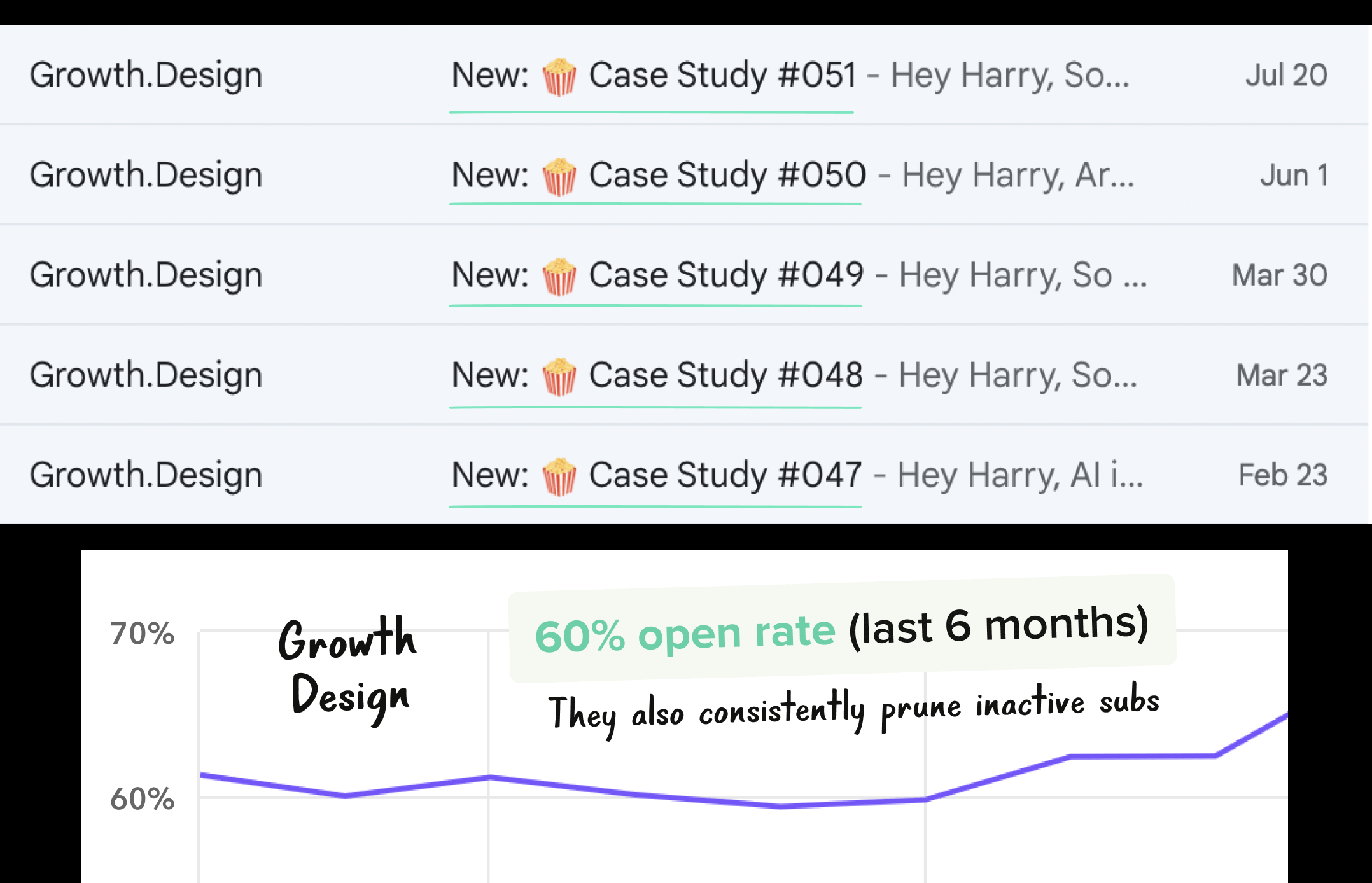
Mailtime Canvases

We quickly discovered that opening fan mail on camera wasn’t just something Casey Neistat did, but a broader YouTuber phenomenon called Mail Time. So Giles' little idea became a bigger idea.

We found ten YouTubers who did regular Mail Time videos, wrote ten funny tweets, printed them off as A1 Canvases, and shipped them to their PO boxes around the world.

Mailtime Wrapping

The Results

A couple of weeks passed and a YouTuber called Chilly did a MailTime video and opened our canvas on camera. Not only did she give us 4 minutes airtime, she was so blown away by our gift that she gave a free shoutout to our website in the description and pinned my comment to the top of her video. This video ended up with 3.3 million views.

Chilly Mail Time

A few more weeks passed and another YouTuber called Sodapoppin opened our canvas on camera. That video ended up with 400k views.

And that was that. £250 spent. 2/10 canvases opened. 20% hit rate. 3.7 million views. 17k uniques our site. Can't really complain.

Why it worked

Having binge-watched countless Mail Time videos to prepare, our number one lesson was that genuine fan mail got an infinitely better reaction than company promotions. So our challenge was to come across like genuine fans.

Whilst most companies sending products included formal letters and sleek packaging we did the complete opposite. We bought glitter, fancy cards, bubblewrap, Christmas wrapping paper and hand wrote personal letters.

Mailtime Wrapping

For example, our letter to Casey Neistat read:

Alright Casey,

I’ve been a big fan ever since Bike Lanes went viral. I remember watching the Do What You Can’t Video and thinking screw it, I’m going to drop out of uni and learn how to code.

A few months later and I’ve built my first startup 140canvas.com, which sells “Design your own” tweets. I wanted to send you one as a thank you.

Best Wishes,
Harry

It's self-promotion without being self-promotion. And that’s key. The best marketing doesn’t look like marketing because as soon as people know they are being sold to they tune out.

Another thing we'd learnt binge watching Mail Time was that personal touches made a big difference. We had a big leg up here because the whole point of our gift was that it was personal. You could write whatever you wanted to.

For example, on the canvas we sent Casey was a tweet from Spike Jonze (his all-time hero) saying just how much he liked the new daily vlog.

If bloggers think in headlines, YouTubers think in thumbnails. And we thought Casey holding a huge tweet from Spike Jonze would make a pretty awesome thumbnail.

And finally

People love a plucky underdog. And throughout our letters we cast ourselves as just that. Two young guys, straight outta school, taking on the world. That was the story. And it was a story people could buy in to.

Would Chilly have given us such a big shoutout if our note was typed out on letterheaded paper and signed by a Director of Global Marketing?

30 secs

Same interview. 700x reach.

The same interview reposted four years later.

Don't redirect people. Hook them as they scroll.

Or to quote Amanda Natividad, “zero-click your content”.

Starter Story Content Marketing

— Harry

2 mins

Seven ways to build your “founder brand”

Nothing to add.

Founder Brand

— Harry

4 mins

The marketing genius of Lil Nas X

Part 1

Most musicians think like failed startups. Too much time creating. Not enough time promoting.

When Lil Nas X dropped out of college to pursue music he didn’t create much. Instead, he lived on Twitter, made online friends and got popular posting memes. His account quickly grew to 30,000 followers.

The plan was to use his following to promote his music. But it wasn’t that simple. In Nas’s words:

I’d post a funny meme and get 2,000 retweets. Then I’d post a song and get 10.

So Nas got creative. He stopped tweeting SoundCloud links and started writing a song he could promote through memes. In his words:

It had to be short. It had to be catchy. It had to be funny.

Old Town Road was the result. And on the 3rd December 2018 Nas paired it with a video of a dancing cowboy and shared it with his followers:

The video went viral. So Nas stuck to this formula: Short viral videos. To the tune of Old Town Road. With the full song linked underneath.

As an unknown artist, it was the only way he could get the word out. And the views started piling up:

Part 2

Inspired by Old Town Road's success on Twitter it spread to TikTok, and then onto Billboard’s country music charts. Yes, the country music charts. Nas listed it as a country song aware that the charts were less competitive.

One week later Billboard removed it for “not being a country song”. Ironically, this was the best thing that could have possibly happened. Billboard's decision turned Old Town Road into a national talking point and two weeks later it was No. 1.

Nas wasn't stopping. He began lining up remixes with some of music's biggest stars.

Billboard has a loophole whereby remix plays count towards the original song's chart placement. With every remix millions more streams poured in, and Old Town Road became impossible to budge.

17 weeks later he'd broke Mariah Carey’s record for the most consecutive weeks at No. 1.

It’s easy to forget quite what an extraordinary achievement this is. Five months earlier, Nas was a college dropout sleeping on his sister’s couch with a negative balance in his Wells Fargo account.

Part 3

On my first day researching Old Town Road I read a quote from Nas:

A lot of people like to say “a kid accidentally got lucky”. No. This was no accident.

The more I learned about Nas the more I believed him.

A key moment in Old Town Road's rise was a video of a man standing on a galloping horse going viral on Twitter. The audio was set to Old Town Road. Different versions of the video were viewed millions of times.

I wanted to know how the video spread, so I did some digging and found it first posted on the 24th December:

I asked the Twitter user why he made the video. He told me that Nas sent it to him. But it doesn't end there.

Aware that people watching the video would search for the full song, Nas changed the song title on YouTube and SoundCloud to include the lyric from the viral video — “I got the horses in the back”.

He also posted on the NameThatSong subreddit which ranked on Google. Now, anyone searching from the video had an easy route to the song.

Hilton Doubletree cookie

Things didn’t happen to Nas. Things happened because of Nas

Virality is not mystical. The story of Old Town Road is not magical.

Look behind the curtain: Nas is sitting in his underpants, on his sister's couch, iPhone in hand, making the whole thing happen.

No one knew him. No one wanted to check out his song. No one promoted anything for him.

He made friends, made them laugh, and built an audience. Then he packaged his song in a way that fit into their life. The rest is history.

1 min

The tale of two Twitter strategies

The Kyiv Post and The Kyiv Independent are both reporting the Ukraine War.

The Kyiv Post shares article links.The Kyiv Independent condenses news into tweets and threads.

Kyiv Independent Twitter

At the start of the war The Kyiv Post had 10x more followers than The Kyiv Independent. Today they have 5x less.

Don't redirect people. Be useful on the platform itself. You'll be rewarded.

Kyiv Independent Vs Kyiv Post on Twitter

— Harry

2 mins

£8k Instagram Giveaway → 1M followers

Last week Molly-Mae did an Instagram giveaway. She spent £8k on gifts.

So far it's returned:

• 270k new YouTube subscribers

• 210k new Instagram followers

• 550k new followers of her brand, Filter by Molly-Mae

That's < 1p / fan. Possibly the best ROI I've seen. Let's break it down:

Molly-Mae's Instagram and YouTube graph growth

The most important thing Molly-Mae did was time her giveaway with reaching 1M YouTube subscribers.

This gave it purpose.

It wasn't just an attempt to get some new followers. It was a celebration. And people got behind her.

Molly-Mae's Instagram giveaway

Next, let's look at the specifics.

Molly-Mae asked followers to “like and tag”. She also offered bonus entries for “multiple tags” or if users shared the post to their stories.

Each one created a mini viral loop which helped the post spread.

And it worked. Her post got 1.9M comments (1900x her average).

Molly-Mae's Instagram giveaway case study

So the giveaway exploded. To the point where it was becoming a meme. Boys started sarcastically offering girls £5 to not enter.

The easy thing would be to not respond. But Molly did. And her self-awareness took ownership of the joke.

Molly-Mae's Twitter giveaway response

Finally, let's talk results.

The aim of most giveaways is to grow the account hosting the giveaway.

But the problem is you end up with a load of new followers who unfollow or disengage after. Molly-Mae realised this.

Her aim wasn't to attract new followers (who just want the prize). It was was to incentivise existing followers to follow her brand account and YouTube.

And she managed to pull across 820k!

Instagram giveaway conversions

Okay. Last thing. Yes, it’s well-executed. But for £8k the return is still insane.

Molly-Mae's personal brand is what makes the difference.

If a fashion brand runs the same giveaway the numbers don't compare.

We don't celebrate brands. We celebrate individuals.

Support

Thanks for reading. If you'd enjoyed this one, I'd love it if you joined the email list. I share a new marketing case study, like this one, each week.

— Harry

← → arrows or swipe · J to jump